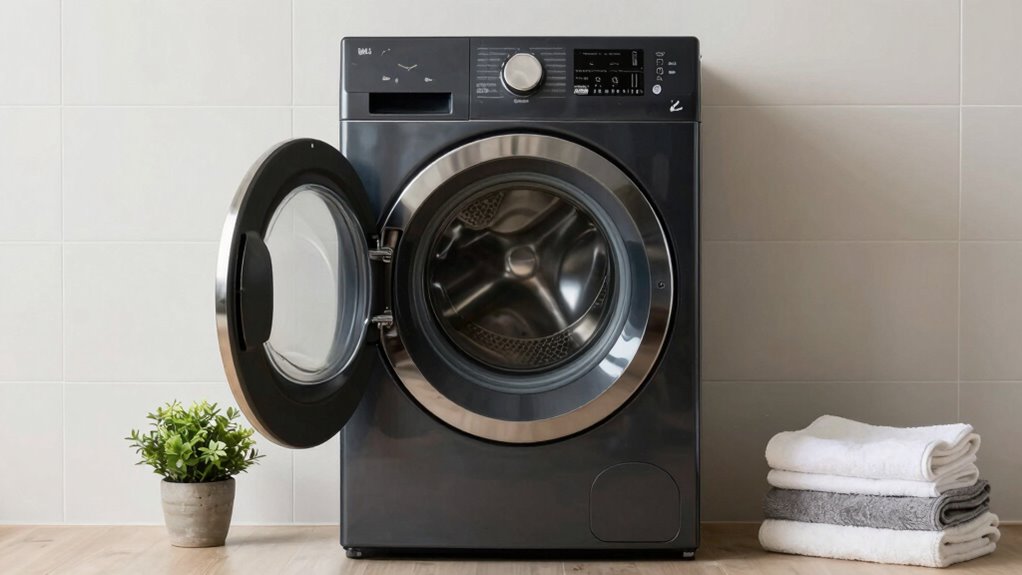

A washer-dryer combo saves space and simplifies your laundry routine by combining two appliances into one, making it perfect for small homes or tight spaces. However, they often use more energy during drying and can take longer to complete cycles. Repairs can be tricky and costly, and durability may be affected by shared components. If you want to know more about the pros and cons, keep exploring for a balanced view.

Get home appliances delivered free — and shop member deals
- Fast, free delivery on millions of items
- Access to Prime Big Deal Days deals on October 6–7
- Prime Video, Amazon Music and more included
Key Takeaways
- Ideal for small spaces, combining laundry functions into a single, space-efficient appliance.
- Longer drying cycles and higher energy use can offset the convenience of a combined unit.
- Complex mechanisms and compact design may lead to more frequent repairs and maintenance difficulties.
- Shared components can reduce overall durability and make troubleshooting more challenging.
- Best suited for households with light laundry needs, where space savings outweigh potential energy and reliability concerns.
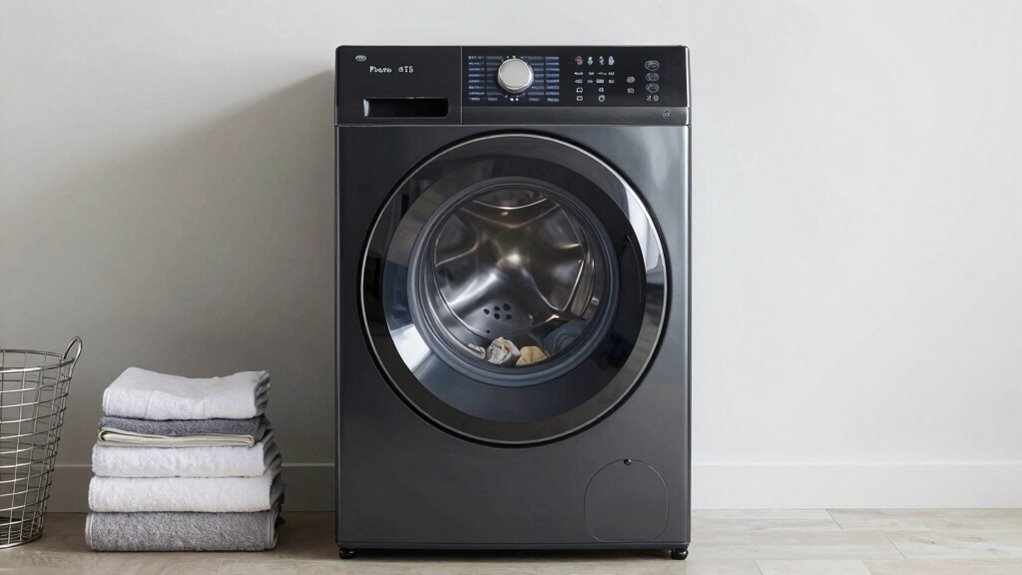
Are washer dryer combos really the all-in-one solution they promise to be? For many people, the idea of saving space and simplifying laundry routines sounds appealing. These units combine a washing machine and a dryer into a single appliance, which can be perfect if you’re working with limited space or want a sleek, streamlined setup. However, before you decide to go all-in, it’s vital to understand what they excel at and where they fall short. One key factor to consider is energy efficiency. While some models claim to save energy by consolidating functions, they often aren’t as efficient as separate units. The drying process in a combo can take longer and use more electricity, especially if the machine isn’t well-optimized. Plus, because the appliances share components, they might operate less efficiently under heavy loads, leading to higher energy consumption over time. If you’re mindful of your utility bills or eco-friendly practices, this is a critical point to weigh. Additionally, the shared components and compact design can impact the overall reliability of these appliances, sometimes resulting in more frequent repairs.
Another aspect that often trips up users is maintenance challenges. Washer dryer combos tend to have more complex mechanisms packed into a compact space, which can make repairs trickier and more costly. When something goes wrong—whether it’s a clogged drainage system or a faulty heating element—you might find yourself facing complicated troubleshooting or expensive service calls. Accessing internal parts can be difficult due to the cramped design, and many users report that repairs take longer than they would with traditional separate units. Over time, this can add up in both time and money, potentially making a combo less convenient than it initially seems. Additionally, because these appliances are less straightforward to service, you might end up replacing the entire unit sooner if problems aren’t easily fixed.
Despite the convenience of having one appliance, the trade-offs in energy efficiency and maintenance challenges mean you need to evaluate whether it’s the right choice for your household. If you do a lot of laundry or have high performance expectations, a separate washing machine and dryer might serve you better in the long run. But if space is tight and you’re willing to accept some compromises, a washer dryer combo could still fit your needs. Just remember that while they promise simplicity and efficiency, the reality involves balancing convenience with potential drawbacks—particularly when it comes to energy consumption and maintenance headaches. Being aware of these factors helps you make a smarter, more informed decision that aligns with your laundry habits and household priorities.
As an affiliate, we earn on qualifying purchases.
Frequently Asked Questions
Can Washer Dryer Combos Handle Large Laundry Loads Effectively?
You might find that washer dryer combos struggle with large laundry loads, especially since their spin speed is often lower than standalone machines, which can impact drying efficiency. You’ll notice increased noise levels during heavy cycles, and the cycle duration tends to be longer. For bulky or frequent large loads, consider a separate washer and dryer to guarantee better performance and quicker turnaround, as combos excel with smaller, regular loads.
Are Washer Dryer Combos Energy-Efficient Compared to Separate Units?
You’ll find that washer dryer combos are generally less energy-efficient than separate units because they often use more water and electricity for each cycle. This impacts energy savings and increases environmental impact, especially if you do frequent laundry. However, their convenience can offset these drawbacks for small households or space-conscious users. To minimize environmental impact, choose energy-efficient models and run full loads whenever possible.
How Long Does a Typical Wash and Dry Cycle Take?
A typical wash and dry cycle in a combo unit takes about 2 to 4 hours, depending on the cycle selected. During the spin cycle, your clothes get squeezed out to reduce drying time, but it’s usually longer than separate machines. Keep in mind, detergent compatibility is essential—use HE or low-sudsing detergent to prevent issues. Patience pays off, as these cycles are a bit slower but save space and convenience.
Do Washer Dryer Combos Require Special Maintenance or Repairs?
Think of washer dryer combos as a well-oiled machine needing a little TLC. They don’t require special maintenance, but regular cleaning of filters and vents helps keep them running smoothly. Repair costs are generally comparable to separate units, but if something breaks, it can be trickier to fix due to their all-in-one design. So, you’ll want to stay attentive to early signs of issues to avoid bigger problems down the road.
Are They Suitable for Households With Heavy Laundry Demands?
If your household has heavy laundry demands, a washer dryer combo might not be your best fit. They offer great space efficiency and tend to operate quietly, making them ideal for small spaces. However, their capacity is usually smaller, so you may find yourself running multiple cycles. For heavy loads, traditional separate machines often handle the workload better, ensuring quicker, more efficient laundry days.
Conclusion
While washer dryer combos save space and offer convenience, they’re not perfect for everyone. Did you know only about 60% of users say they’re satisfied with their performance? If you mostly do small loads or need quick turnaround, they’re great. But if you have large families or heavy laundry needs, you might find them lacking. Weigh the pros and cons carefully to see if this all-in-one solution fits your lifestyle.
NFL season / tailgating Picks
team gear
As an affiliate, we earn on qualifying purchases.