
TL;DR

Get home appliances delivered free with Prime
- Fast, free delivery on millions of items
- Prime Video, Amazon Music and more included
- Member-only deals all year
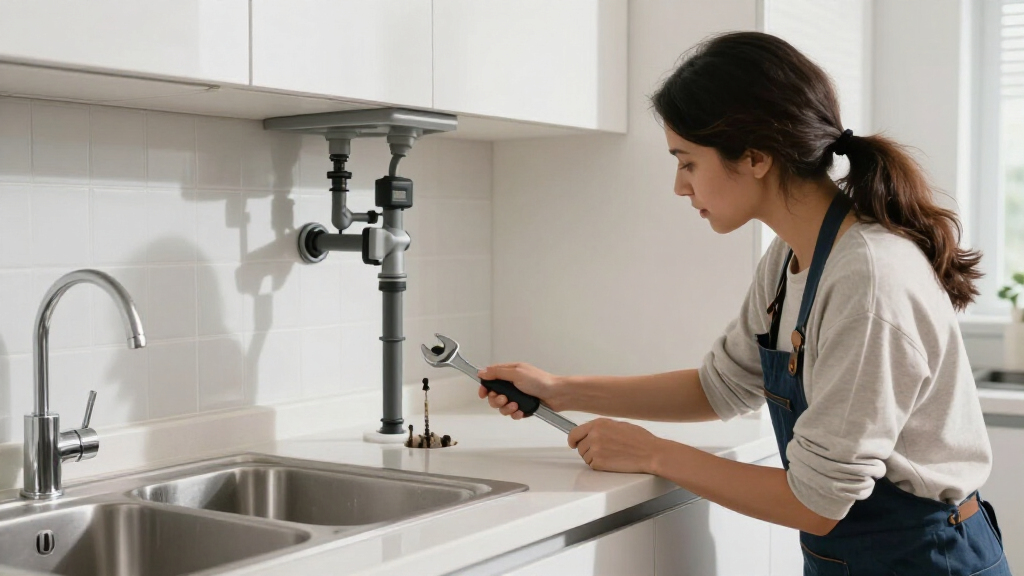
Four engineers in Chennai are working with local residents to detect hidden water leaks in approximately 70,000 homes. This initiative aims to reduce water wastage and improve resource management. The effort is ongoing and has shown promising results so far.
Four engineers in Chennai are assisting around 70,000 households in locating and fixing hidden water leaks, a move that aims to curb water wastage in the city. This initiative is part of a broader effort to improve water conservation and resource management amid ongoing water scarcity concerns.
The project involves four trained engineers working directly with residents to identify concealed leaks within household plumbing systems. These leaks often go unnoticed, leading to significant water loss over time. According to officials from the Chennai Municipal Corporation, the engineers use specialized equipment to detect leaks that are not visible on the surface.
Since the program’s launch earlier this year, the engineers have conducted over 10,000 inspections, helping households save an estimated 1.5 million liters of water daily. Residents report that the process is non-invasive and cost-effective, encouraging wider participation. The initiative is supported by local government agencies aiming to meet water conservation targets and reduce the burden on city water supplies.
Officials emphasize that this targeted leak detection is a crucial step in managing Chennai’s limited water resources, especially during the dry season when demand peaks and supply is strained.
Impact of Leak Detection on Water Conservation in Chennai
This effort is significant because it directly addresses water wastage in a city facing chronic water shortages. By helping households identify and repair hidden leaks, the program can substantially reduce unnecessary water consumption, easing pressure on municipal supplies. It also demonstrates a scalable model for other urban areas facing similar challenges, highlighting the importance of localized technical interventions in resource management.
As an affiliate, we earn on qualifying purchases.
Chennai’s Ongoing Water Scarcity Challenges and Previous Measures
Chennai has long struggled with water scarcity, worsened by erratic monsoon patterns and over-extraction of groundwater. Past measures have included water rationing, desalination projects, and public awareness campaigns. However, leakages in household plumbing have remained a significant, yet often overlooked, source of water loss. This new initiative builds on earlier efforts by targeting the problem at the household level, leveraging local expertise to make a tangible impact.
“Our team uses specialized acoustic equipment to locate leaks that are not visible, helping families save thousands of liters of water each month.”
— R. Kumar, Lead Engineer
Extent of Leak Detection and Long-term Impact Unclear
While initial results are promising, it is still unclear how many more households will participate and how sustainable the leak repairs will be over time. The total amount of water conserved and the program’s scalability beyond the current scope remain to be fully assessed. Additionally, the long-term maintenance of repaired plumbing systems is an open question.
Scaling Up Leak Detection and Monitoring Outcomes
The authorities plan to expand the program to include more households and integrate digital monitoring tools for ongoing leak detection. Follow-up assessments are scheduled over the next six months to evaluate the program’s impact on overall water consumption. Officials are also exploring partnerships with private firms to enhance technological capabilities and outreach.
Key Questions
How do the engineers detect hidden leaks?
The engineers use specialized acoustic sensors that pick up sound vibrations caused by leaks in underground or concealed pipes, enabling precise location without invasive digging.
Is participation voluntary for residents?
Yes, households voluntarily request leak detection services, often after being informed about potential water savings and cost benefits.
Will residents need to pay for repairs?
In most cases, the initial detection service is free or subsidized by local government programs. Actual repair costs depend on the extent of the damage and are borne by the residents or through municipal support.
How much water can be saved through this initiative?
Preliminary estimates suggest that the program can save around 1.5 million liters of water daily across participating households, with potential for greater savings as the program expands.
Are there plans to replicate this model elsewhere?
Officials are considering scaling the program to other districts facing similar water issues, and are exploring technological partnerships to enhance leak detection capabilities citywide.
Source: local
NFL season / tailgating Picks
team gear
As an affiliate, we earn on qualifying purchases.