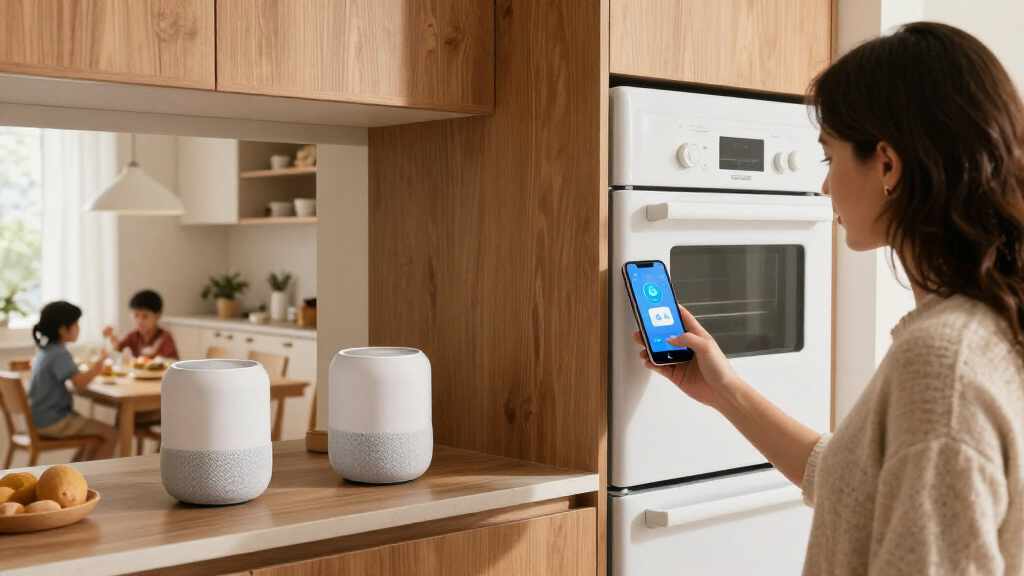
🔍 Read the full analysis: How To Choose AI Devices For A Smarter Home Setup on ThorstenMeyerAI.com

Get home appliances delivered free with Prime
- Fast, free delivery on millions of items
- Prime Video, Amazon Music and more included
- Member-only deals all year
TL;DR
A guide from ThorstenMeyerAI.com outlines how beginners can select and set up a small AI-enabled smart-home system, starting with a low-risk device such as a lamp. It advises checking platform, hub and Wi-Fi compatibility, securing accounts, reviewing data settings, and testing routines before adding equipment that affects safety or access.
ThorstenMeyerAI.com has published a beginner’s guide to choosing and setting up AI-enabled home devices, recommending that households start with a low-risk task and verify network, platform and privacy requirements before building automations. The advice matters for consumers because devices that look compatible may require a particular hub, Wi-Fi band, subscription or cloud service to support the features buyers want.
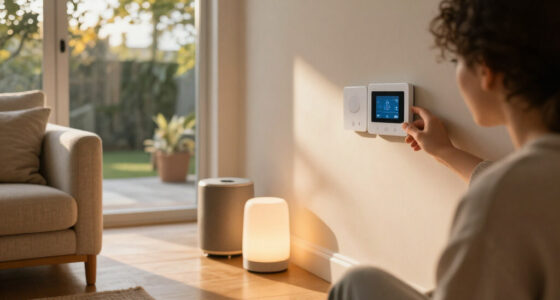
The guide is aimed at people setting up a small system with a phone or tablet, home Wi-Fi and devices such as a smart speaker, light, thermostat or plug. It estimates that setup may take 45 to 90 minutes, depending on the number of devices and whether apps need updates. It advises checking product packaging or the manufacturer’s product page for platform and regional compatibility, hub requirements and supported Wi-Fi bands. Some devices require a 2.4 GHz network or a separate hub.
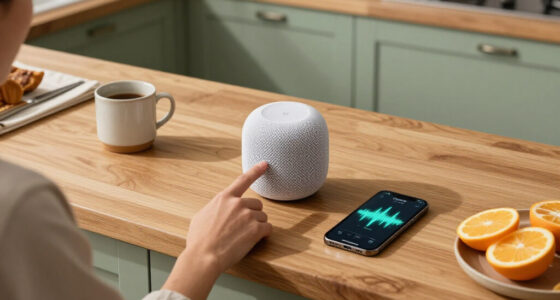
Rather than buying several devices at once, the guide recommends choosing one initial task, such as turning on a lamp by voice or scheduling a thermostat adjustment. Buyers should confirm that the exact model supports the assistant or smart-home platform they plan to use, and check whether requested routines or AI functions need a subscription, including whether Matter or cloud connections fit their setup. Voice control alone does not mean every automation feature is supported.
For setup, it advises installing the app from the phone’s official app store, using the manufacturer’s official service, updating the app and device firmware, then connecting the device through the app or its required hub. The guide also recommends clear room assignments and distinct device names, which can help prevent voice commands from activating the wrong light or thermostat.
Compatibility and Privacy Shape Setup
Choosing an AI-enabled device is not only a matter of comparing voice assistants or advertised features. A mismatch between a device, the household’s Wi-Fi, a hub and the chosen platform can block setup or leave specific routines unavailable. Checking those requirements before purchase can help consumers avoid buying equipment that does not perform the intended task.
The guide also draws attention to privacy and account security. Depending on the product, voice commands, sensor activity or usage information may be processed locally or sent to a cloud service. Reviewing recording, history and data-sharing settings before enabling AI features gives household members a chance to decide what information they are comfortable sharing. The guide recommends a unique account password and multifactor authentication where available.
Starting with a lamp provides a practical way to learn pairing, naming and routine controls without immediately relying on automation for access or safety. That distinction matters: a problem with a light is usually inconvenient, while an incorrect setting on a lock, alarm or heater could have more serious consequences.
Products Worth Considering

Ring Battery Doorbell Plus (2nd Gen) and Chime Plus Bundle, Nickel Silver and White

Blueair Blue Pure 311i Max Smart Air Purifier

eufy Security SoloCam S340 3K Dual-Lens Solar Security Camera
As an affiliate, we earn on qualifying purchases.
A Small System Before Expansion
The source presents its recommendations as a beginner setup guide, not as a report of a new device launch or a test of every available product. It names Hubitat, SwitchBot and Green in product verdicts, with different priorities: local, multi-protocol automation; camera-aware, chat-based control; and a quiet, expandable local automation base. The guide’s descriptions and recommendations are the publisher’s assessments, not independent findings established by the supplied material.
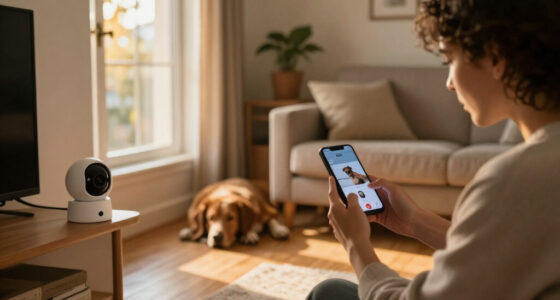
It says Hubitat may suit buyers who prioritize local, multi-protocol automation and subscription-free AI-assisted routine building; SwitchBot may suit people interested in camera-aware chat-based control and bundled storage, subject to subscription and device limits; and Green may appeal to buyers seeking a local automation base. These recommendations do not replace checking the current specifications and terms for a specific model. The source also discloses that it may earn commissions from qualifying Amazon purchases.
For installation, the guide advises placing devices where they have power and a usable Wi-Fi signal, while keeping them away from water, heat and obstructed vents. It says to follow manufacturer instructions and not to modify wiring or perform work requiring an electrician unless qualified. The supplied source ends during its setup instructions, so it does not provide a complete account of every later configuration or testing step.
“We recommend Hubitat as the best overall choice when local, multi-protocol automation and subscription-free AI-assisted routine building matter more than beginner-friendly setup.”
— ThorstenMeyerAI.com, on Hubitat
Product Features Need Model Checks
The source does not identify exact model numbers, prices, test methods or a publication date. It also does not establish how each named product handles data, which features are available in every region, or whether current subscriptions and device limits match the descriptions. Those details may vary by model and change over time, so the guide’s product verdicts should be treated as recommendations rather than guarantees.
The amount of data sent to a cloud service, the availability of local processing and the specific controls for recordings are not detailed for each product. Nor does the source provide the remainder of its step-by-step setup instructions after its privacy-settings section begins. Consumers should consult current manufacturer documentation for those questions and verify that the device supports the exact routine they intend to use.
Verify Requirements Before Adding Devices
The guide’s practical next step for readers is to choose one low-risk device and confirm compatibility before purchase. After setup, they can check that the device appears online, review privacy and account settings, and test a simple voice command or schedule. Only after that works should they consider expanding the system.
Before adding locks, alarms, heaters or other equipment tied to safety or access, households should review the manufacturer’s installation and security instructions and consider qualified help where needed. The source gives no date for a follow-up or additional product testing; readers will need to check manufacturers’ current specifications and service terms as they make decisions.
Key Questions
What should I check before buying an AI home device?
Check support for your chosen platform and exact intended feature, plus any hub, Wi-Fi band, regional or subscription requirements. The guide notes that voice control does not automatically include support for every routine.
How long does a beginner setup take?
ThorstenMeyerAI.com estimates 45 to 90 minutes for a small setup, depending on how many devices are added and whether apps need updates. That is the guide’s estimate, not a guaranteed installation time.
Is it safer to start with a lamp?
The guide recommends starting with a low-risk device such as a lamp before connecting locks, alarms, heaters or other equipment that can affect safety or access. A simple first device lets users learn the app and automation controls.
How can I reduce privacy and account risks?
Use the manufacturer’s official app, set a unique password, enable multifactor authentication if offered, and review voice recordings, activity history, data sharing and cloud processing. Check camera and microphone controls, including any physical switch.
Are the named product recommendations independently verified?
The supplied material gives the publisher’s recommendations for Hubitat, SwitchBot and Green, but does not include model numbers, comparative test methods or supporting results. Treat them as publisher assessments and verify current product features and terms directly.
Source: ThorstenMeyerAI.com