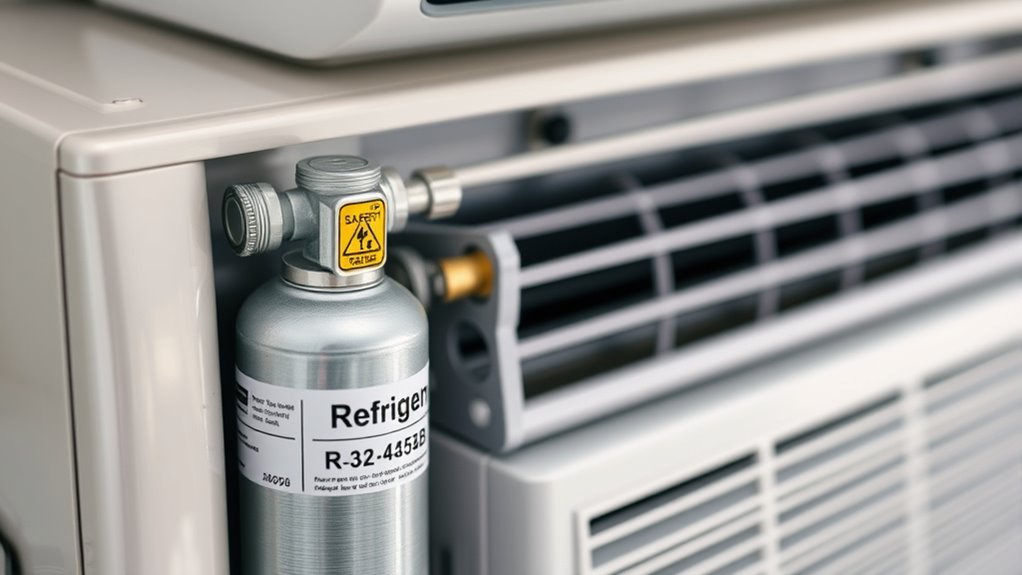

When installing or servicing home AC systems with A2L refrigerants like R‑32 and R‑454B, you should follow strict safety guidelines since these mildly flammable gases require special handling. Use rated tools, ensure proper ventilation, and verify all components are compatible with A2L refrigerants. Detect leaks early with sensors, keep fire safety measures in place, and label systems clearly. Staying informed about safety practices helps prevent risks—continue exploring how to manage these refrigerants safely and efficiently.
Key Takeaways
- Proper technician training in leak detection, ventilation, and ignition controls is essential for safe handling of R‑32 and R‑454B.
- Use certified, A2L-rated tools and equipment to prevent leaks and minimize flammability risks during installation and servicing.
- Ensure system components are compatible with A2L refrigerants, and follow safety protocols for refrigerant recovery and charging.
- Install leak detectors, ventilation systems, and fire safety measures to detect and mitigate potential flammability hazards.
- Regularly monitor for leaks, odors, or system anomalies, and adhere to local safety regulations and industry standards for safe operation.
Understanding A2L Refrigerants and Their Properties
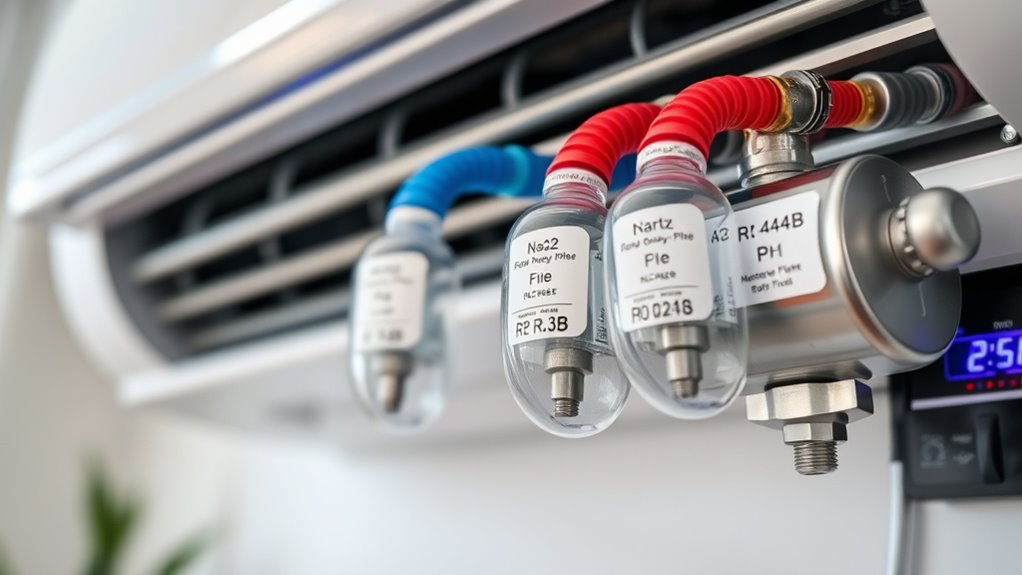
Understanding A2L refrigerants begins with knowing that they are classified by ASHRAE as mildly flammable and low in toxicity, making them safer than more flammable options while still offering environmental benefits. These refrigerants include hydrofluoroolefins (HFOs) and blends like R-32 and R-454B, which have low global warming potential (GWP). Their properties are similar to older refrigerants, allowing easy integration into existing HVAC systems. Many A2L refrigerants, such as R-32, are single-component, while blends like R-454B exhibit temperature glide, impacting heat transfer. Their chemical structure, including double bonds and fluorine placement, reduces flammability. Understanding A2L refrigerants is essential for ensuring safety and compliance in HVAC installations. Additionally, understanding the flammability classifications helps in proper handling and system design considerations. Overall, they deliver efficient cooling, comparable performance, and a lower environmental footprint, making them a practical choice for modern residential air conditioning.
Safety Regulations for Home HVAC Systems Using R‑32 and R‑454B
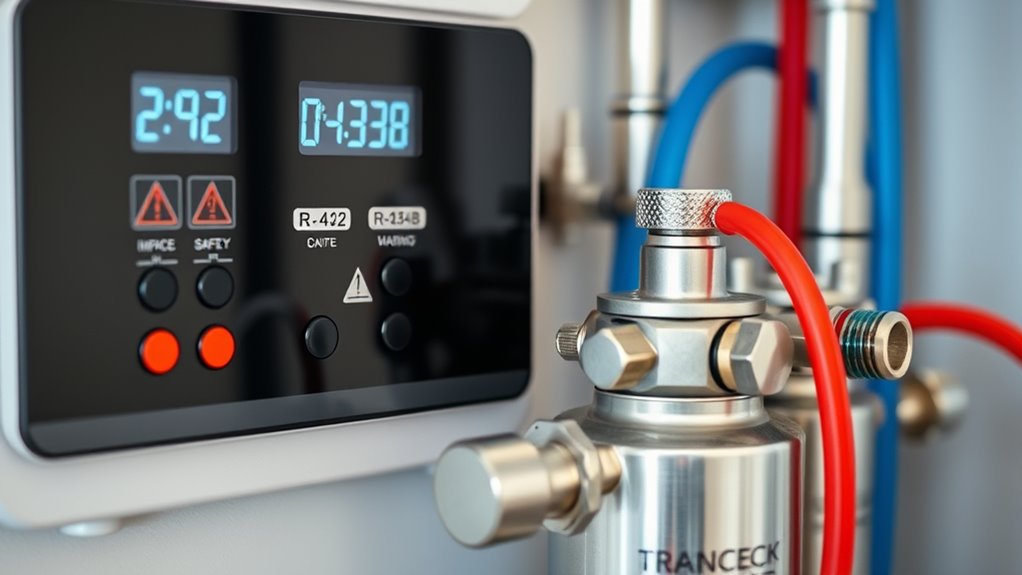
As the use of R-32 and R-454B becomes more common in residential HVAC systems, strict safety regulations are crucial to guarantee proper handling and installation. To stay compliant, you should focus on these key areas:
- Ensure technicians are properly trained in leak detection, ventilation, and ignition control.
- Use specialized tools, like rated vacuum pumps and recovery cylinders with safety modifications.
- Follow protocols for refrigerant recovery, charging, and storage, respecting maximum charge limits.
- Maintain adequate ventilation and use explosion-proof or non-sparking electrical equipment during installation.
- R-32 has a lower GWP, making it more environmentally friendly and requiring adherence to regulations that minimize its flammability risks.
These regulations aim to minimize risks associated with the mildly flammable nature of A2L refrigerants, safeguarding both technicians and homeowners. Following proper procedures is essential for safe, compliant system operation.
Proper Installation Practices for A2L Refrigerant Systems

Proper installation of A2L refrigerant systems requires careful attention to design and site-specific considerations to guarantee safety and efficiency. First, verify all components are compatible with A2L refrigerants, as they have unique requirements. Plan the system layout to minimize leaks and provide adequate ventilation, reducing the risk of gas buildup. Use fire-rated shafts for refrigerant lines passing through multiple fire-rated floors. Check that thermostats are compatible and configure blower activation to respond to leak detection sensors. Conduct thorough pre-installation inspections of the space and duct system, and perform final checks before startup. Always adhere to local building codes and safety protocols, including proper ventilation and safety equipment, given the mildly flammable nature of A2L refrigerants. Understanding Narcissistic traits can help technicians recognize potential behavioral issues during installation or service. Proper planning and attention to detail are essential for a safe, compliant installation.
Essential Safety Features and Equipment for A2L Refrigerant Safety
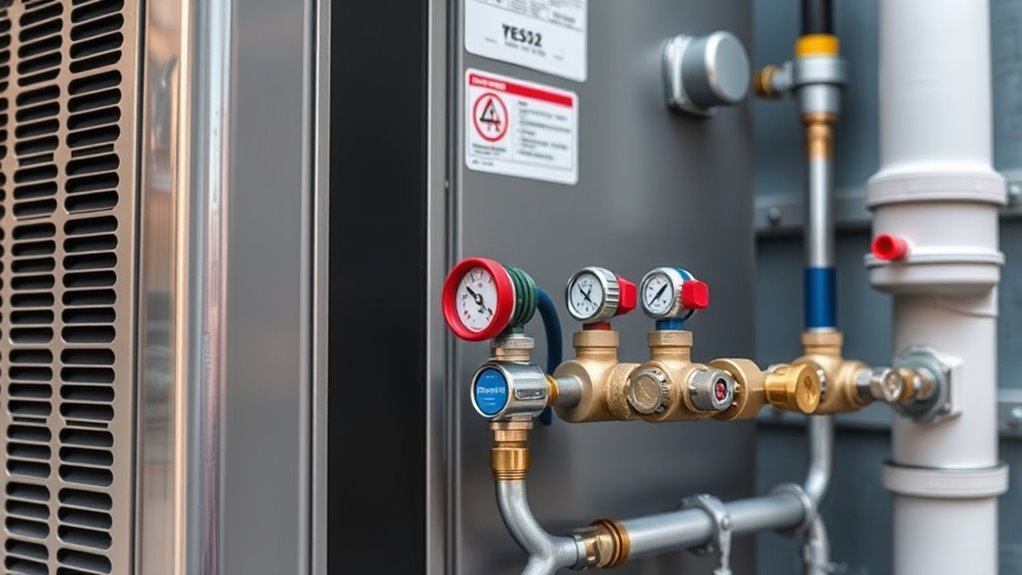
To guarantee safety when working with A2L refrigerants, installing essential safety features and equipment is crucial. These measures help prevent accidents and contain potential hazards. First, ensure proper ventilation by installing exhaust fans or vents with explosion-proof certification and maintaining continuous airflow. Second, deploy advanced leak detectors near critical components, such as compressors and fittings, with automatic alarm or shutoff capabilities. Third, incorporate fire suppression systems designed for A2L flammability, along with explosion-proof wiring and emergency shutoff valves. Fourth, clearly label all system parts with red fittings, visible signage, and locking caps to prevent tampering. Additionally, understanding prophetic dreams can help technicians remain alert and receptive to intuitive safety cues during complex installations. Recognizing refrigerant properties is essential for selecting appropriate safety measures and handling procedures. These safety features create a safer environment, reducing risks associated with mildly flammable refrigerants in residential systems.
Handling and Maintenance Tips to Minimize Risks
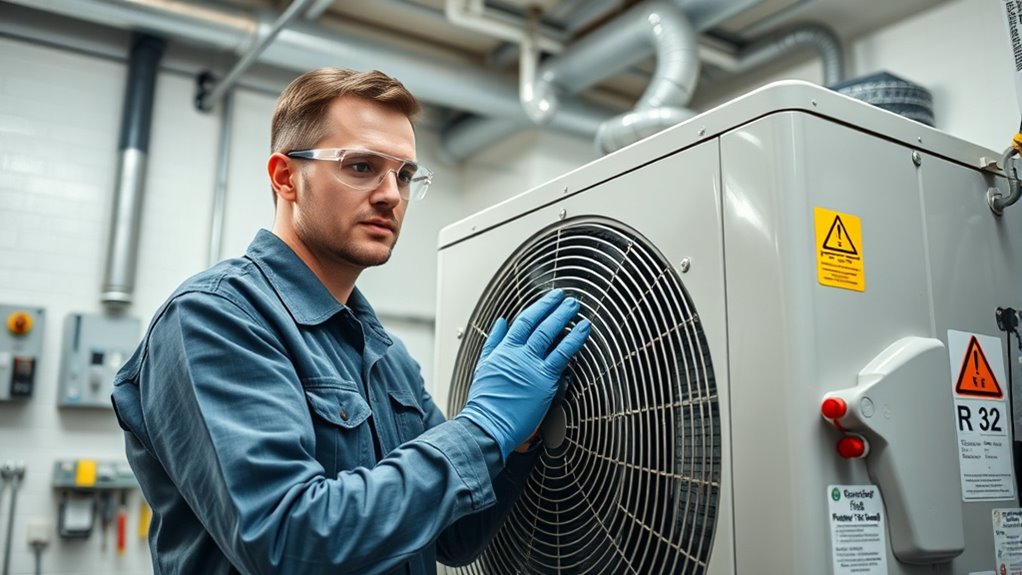
To keep your system safe, you should regularly check for leaks and make certain proper ventilation in the area. Always follow professional maintenance practices to prevent accidents and maintain system efficiency. Taking these precautions helps minimize risks when handling A2L refrigerants like R-32 and R-454B. Additionally, being aware of essential oil safety tips can help prevent potential hazards during maintenance or emergency situations. Proper training and understanding of refrigerant properties are also crucial for safe handling and emergency response.
Regular Leak Checks
Regular leak checks are essential for maintaining the safety and efficiency of A2L refrigerant systems. To guarantee proper detection, you should:
- Use integrated leak detection sensors installed near indoor coils where refrigerants tend to accumulate.
- Regularly test sensors with built-in test modes or buttons to confirm they respond correctly.
- Perform manual leak detection with methods like the bubble test or fluorescent agents during maintenance.
- Monitor real-time alerts from connected building management systems to catch leaks early.
- Incorporate comprehensive system analysis to identify potential leak points and optimize maintenance schedules.
- Ensure proper system maintenance practices are followed to prevent refrigerant leaks and maintain system integrity.
Proper Ventilation Use
Proper ventilation is essential when handling A2L refrigerants to prevent the buildup of flammable gases. You should ensure your HVAC system has adequate mechanical ventilation that promotes continuous air exchange, which helps dilute any leaked refrigerant below flammability limits. Ventilation openings, such as exhaust fans or passive vents, need to be strategically placed to remove refrigerant vapors effectively and avoid dead air spaces. Regularly inspect and clean ventilation components to maintain ideal airflow and prevent blockages. Make sure filters are replaced when needed, and controls are functioning correctly—whether automatic or manual. Proper ventilation reduces the risk of refrigerant accumulation, helping prevent fire or explosion hazards and supporting early leak detection. Additionally, understanding the horsepower of electric dirt bikes can inform safety considerations during maintenance and operation, emphasizing the importance of proper ventilation and handling procedures. Ensuring proper ventilation efficiency is crucial for maintaining a safe environment during refrigerant handling. Consistent maintenance and adherence to safety standards are key to safe operation.
Professional Maintenance Practices
Using certified tools and equipment is essential for safe handling of A2L refrigerants. Always select gauges, vacuum pumps, leak detectors, and recovery machines specifically certified for A2L refrigerants to prevent accidental ignition or leaks. Guarantee all service fittings are clearly labeled with red markings to identify the refrigerant type and avoid cross-contamination. Verify compatibility of hoses, seals, and connections with A2L refrigerants to maintain system integrity. Use pressure relief devices on storage cylinders designed to vent excess pressure safely. Additionally, follow these practices:
- Conduct continuous leak detection with calibrated sensors during service.
- Inspect all components and seals thoroughly before, during, and after maintenance.
- Avoid open flames or sparks near suspected leaks.
- Keep detailed records and labeling to inform future servicing.
- Be aware of Vetted – Halloween Product Reviews guidelines to ensure compliance with safety standards.
- Regularly review refrigerant safety protocols to stay updated on handling best practices and emerging safety information.
Recognizing and Responding to Refrigerant Leaks
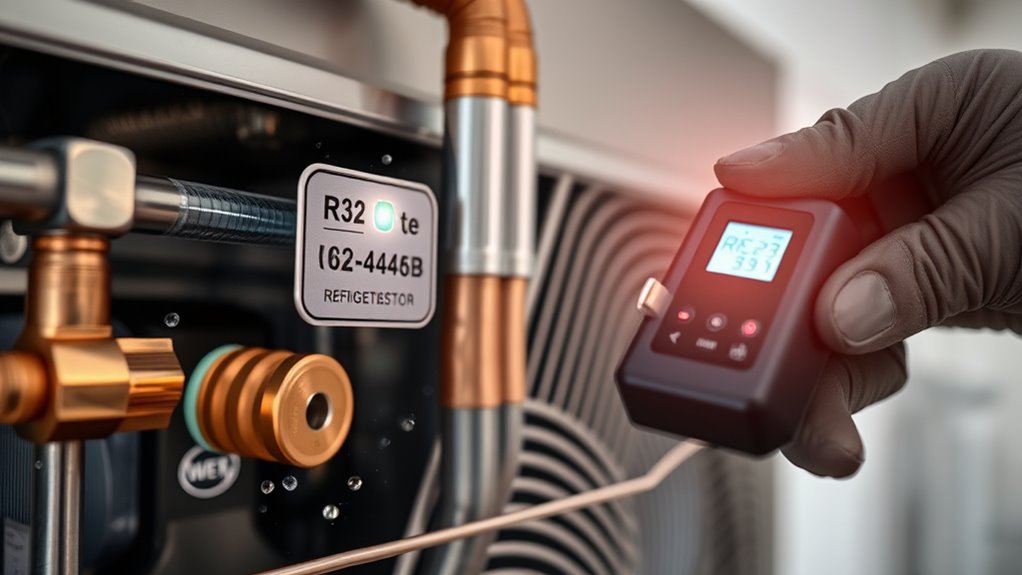
You should stay alert for subtle signs of refrigerant leaks, like faint odors or unusual system behavior. Since visual clues can be hard to spot, it’s important to rely on electronic leak detectors placed near common leak points. When a leak is detected, quick action, like shutting down the system and activating ventilation, is essential to keep everyone safe. Regular maintenance and knowledge of refrigerant properties can help in early detection and prevention. Being aware of refrigerant safety guidelines ensures proper handling and response to potential leaks.
Detecting Leak Signs
How can you tell if your home’s A2L refrigerant system is leaking? Look for these signs:
- System short cycling, with the AC shutting off and restarting frequently.
- Warm air blowing from vents when cooling should happen.
- Ice forming on evaporator coils or refrigerant lines.
- Audible hissing or bubbling sounds near joints or connections.
Other indicators include increased energy bills, poor humidity control, and frost buildup on lines. You might also notice a faint refrigerant odor or see condensation around fittings. Using electronic leak detectors calibrated for R-32 or R-454B can help identify leaks quickly. Ultrasonic tools, soap bubble tests, and visual checks for oil residue are effective methods. Always stay alert to these signs to catch leaks early and ensure safety.
Responding to Leaks
Recognizing and responding promptly to refrigerant leaks is critical for safety and system integrity. When you detect a leak, activate the system’s leak detection sensors and ventilation systems immediately to reduce flammable refrigerant accumulation. If the system has warning alarms set below the lower flammability limit (LFL), respond by shutting down the unit and ventilating the area. Always ensure proper grounding and discharging capacitors before repairing to prevent sparks. Use OEM parts for repairs and avoid working on live systems with unapproved components. After repairs, thoroughly check all components for leaks before restarting. Implement emergency procedures, like activating fire suppression or ventilation, if a significant leak occurs. Proper training on leak response enhances safety and minimizes risks associated with A2L refrigerants. Understanding credit card security measures can also help protect household financial information in case of cyber threats during emergency situations.
The Environmental Benefits and Regulatory Support for A2L Refrigerants
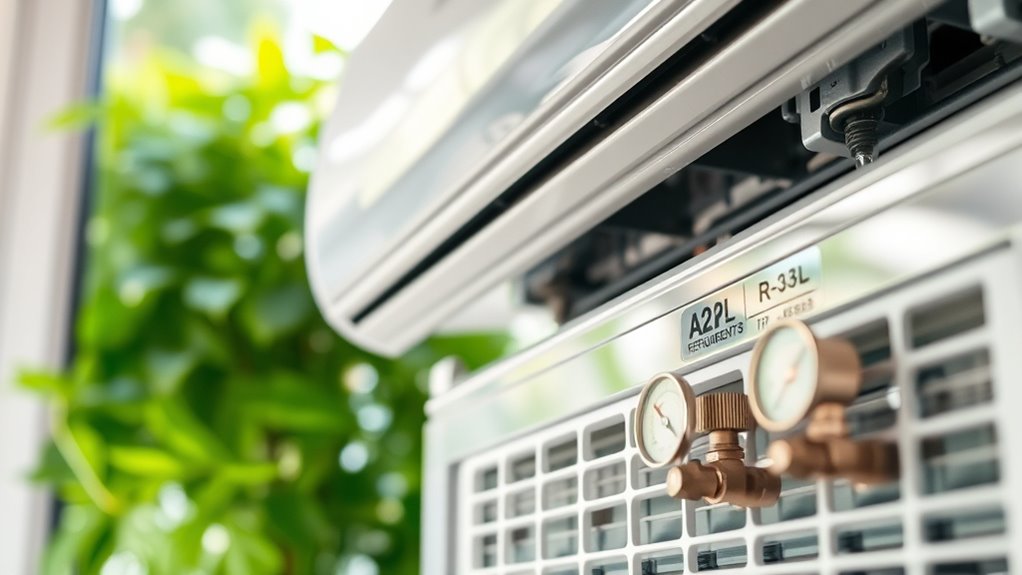
A2L refrigerants offer significant environmental benefits by dramatically reducing their global warming potential (GWP) compared to traditional refrigerants like R-410A. For example, R-454B has a GWP of only 466, much lower than older options. Moving to A2L refrigerants can significantly cut greenhouse gas emissions from HVAC systems. The EPA is supporting this shift by mandating A2L use in new heat pumps and AC units by 2025. Additionally, these refrigerants contribute to climate goals by lowering the carbon footprint of cooling technologies. Here’s what you need to know:
- They have substantially lower GWP, helping fight climate change.
- Regulations push for widespread adoption in residential systems.
- Industry standards are evolving to ensure safety and efficiency.
- Using A2Ls promotes innovation toward greener, more sustainable HVAC solutions.
- Understanding refrigerant safety is essential as industry standards adapt to these new substances. A growing body of research emphasizes the importance of environmental impact assessments when transitioning to newer refrigerant options.
Frequently Asked Questions
How Do A2L Refrigerants Differ From Traditional Refrigerants in Fire Risk?
You should know that A2L refrigerants pose a slightly higher fire risk than traditional refrigerants because they’re more flammable. They need a strong ignition source to catch fire, but leaks can still build up enough concentration to cause hazards. Firefighters must exercise caution since fires involving A2L refrigerants can generate hazardous gases like HF quickly, requiring proper protective gear and safety protocols.
What Specific Training Should Technicians Receive for A2L System Installations?
You should receive thorough training that combines classroom instruction and hands-on practice on A2L system installation. Focus on refrigerant handling, leak detection, and fire safety protocols. Get certified through recognized courses like NATE or EPA modules, and participate in manufacturer-specific programs. Continuous education is essential, so stay updated on evolving codes and standards. This training ensures you install systems safely, efficiently, and in compliance with all safety regulations.
Are There Special Insurance Considerations for Homes With A2L Refrigerant Systems?
Sure, your home with an A2L refrigerant system might just attract a little extra insurance drama. Insurers require proof of proper installation, safety protocols, and technician certification. They might hike premiums if safety measures slip or if your system isn’t compliant with standards like ASHRAE 15. Be prepared for potential coverage limits on repairs, and keep documentation ready — because, after all, safety isn’t just a suggestion, it’s a policy!
How Effective Are Leak Detection Sensors in Residential A2L HVAC Systems?
Leak detection sensors in residential A2L HVAC systems are highly effective when properly integrated and maintained. They quickly identify leaks by measuring heat transfer, providing rapid and accurate responses. With advanced designs that resist contaminants and operate across temperature and humidity ranges, these sensors help prevent hazardous situations. Regular calibration ensures reliability, and compliance with safety standards guarantees they function ideally, giving you peace of mind in protecting your home.
What Are the Long-Term Safety Concerns Associated With A2L Refrigerants?
You need to stay vigilant because the long-term safety concerns with A2L refrigerants are significant. Their mild flammability requires continuous safety measures, and leaks could expose you to toxic chemicals like PFAS, which persist in the environment and your body. Regulatory changes might phase out these refrigerants, making your system obsolete. Over time, handling, disposal, and potential health risks make A2Ls a risky bet for long-term home safety.
Conclusion
By understanding A2L refrigerants, following safety regulations, practicing proper installation, and staying vigilant during maintenance, you can guarantee your home AC remains safe, efficient, and environmentally friendly. Recognize leaks early, handle refrigerants responsibly, and stay informed about regulations to protect your family and the planet. Prioritize safety, embrace knowledge, and take action—because a safe, reliable, and eco-conscious cooling system starts with you.