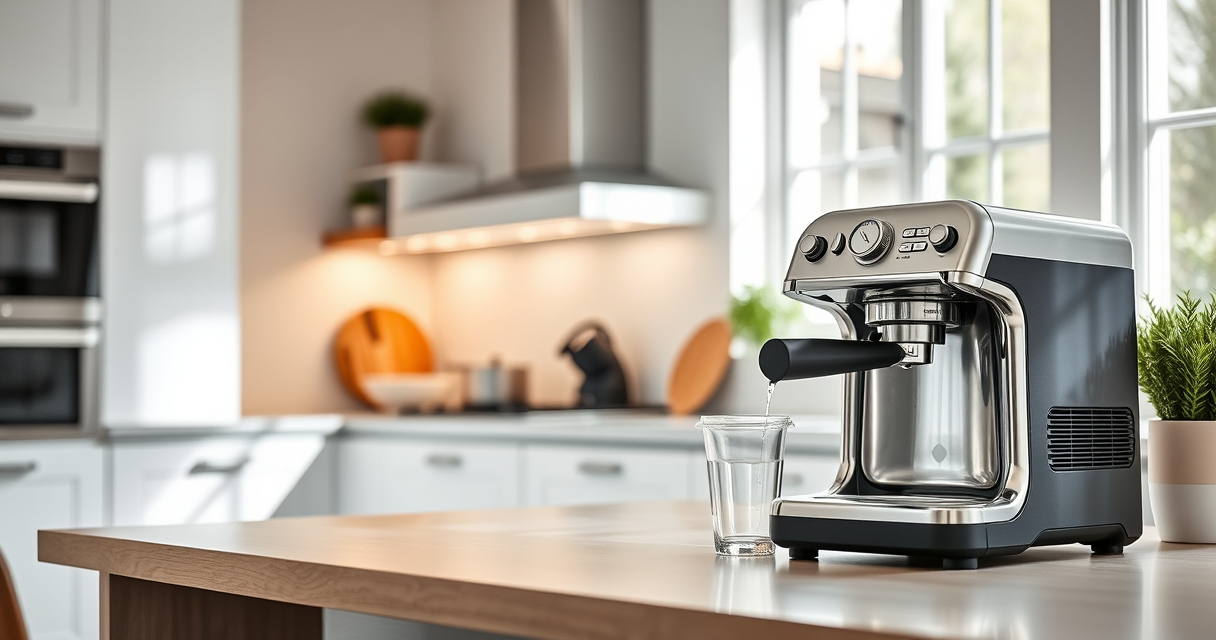

If your De’Longhi Magnifica Evo or similar model is leaking water, it can disrupt your coffee routine and cause potential damage. Identifying the cause quickly is key to restoring proper operation. This guide provides clear, practical steps to troubleshoot and fix water leaks safely.

Get home appliances delivered free with Prime
- Fast, free delivery on millions of items
- Prime Video, Amazon Music and more included
- Member-only deals all year
Whether the leak is from the water tank, internal components, or hoses, we’ll walk you through the most common causes and solutions, ensuring your espresso machine stays in top shape.
Key Takeaways
| Identify the leak source | Locating where the water is leaking helps determine the fix. |
| Check the water tank | Loose or cracked tanks often cause leaks. |
| Inspect internal parts | Clogged or damaged components may lead to water leakage. |
| Maintain regularly | Descale and replace filters to prevent buildup. |
Step 1: Turn Off and Unplug Your Machine
- Ensure the espresso machine is turned off and unplugged from the power source to prevent electrical hazards.
- Allow it to cool down if recently used to avoid hot water burns.
Step 2: Empty and Inspect the Water Tank
- Remove the water tank carefully from the machine.
- Check for cracks, warping, or loose fittings.
- Refill the tank with clean water and reattach securely, ensuring it clicks into place.
Step 3: Examine Internal Components and Hoses
Remove panels or access covers per your model’s instructions. Look for loose or damaged hoses, gaskets, or seals. Tighten or replace as needed.
Step 4: Check the Drip Tray and Waste Container
- Ensure the drip tray and waste container are properly positioned and not overflowing.
- Clean any accumulated debris or residual water to prevent backflow or leaks.
Step 5: Run a Test Brew and Observe
Reassemble the machine, fill the water tank, and run a short brew cycle. Watch carefully for any signs of leakage. If water leaks, identify the source based on where it appears.
The Products in This Guide
De’Longhi Magnifica Evo Next Fully Automatic Espresso Ma
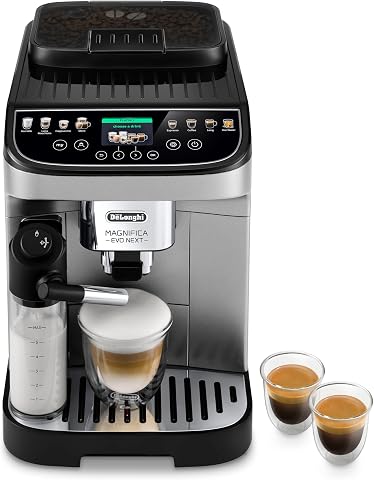
The De’Longhi Magnifica Evo Next is a super automatic espresso machine known for its convenience and built-in grinder. It offers 13 one-touch recipes, a milk frother, and customizable settings, making it ideal for home baristas.
Pros:
- Automatic operation with programmable settings
- Built-in conical burr grinder
- Milk frother for lattes and cappuccinos
- Versatile drink options
Cons:
- Requires regular descaling
- Can be complex to troubleshoot internally
- Water tank may leak if not properly fitted
Best for: Home users seeking a versatile, automatic espresso machine
Not ideal for: Users preferring manual control or minimal maintenance
Bottom line: A highly capable fully automatic espresso machine with reliable features.
De’Longhi Replacement Water Filter

Using the De’Longhi Replacement Water Filter can help prevent mineral buildup and leaks by maintaining optimal water quality. It’s easy to install and enhances your machine’s longevity.
Pros:
- Improves water taste
- Reduces lime scale build-up
- Easy to replace
- Enhances machine performance
Cons:
- Requires regular replacement
- Additional expense
- Limited to compatible models
Best for: Maintaining water quality and preventing leaks
Not ideal for: If your machine does not support filters
Bottom line: A simple upgrade that helps prevent leaks and improves coffee taste.
Frequently Asked Questions
Why is my De’Longhi espresso machine leaking water from the tank?
Leakage from the water tank can be caused by cracks, improper fitting, or a faulty seal. Ensure the tank is intact and properly seated.
Can mineral buildup cause water leaks in my machine?
Yes, mineral deposits from hard water can clog internal components and cause leaks. Regular descaling helps prevent this.
How often should I descale my De’Longhi espresso machine?
It’s recommended to descale every 2-3 months, depending on water hardness and usage, using a suitable descaling solution.
Is it safe to repair internal hoses myself?
Only attempt internal repairs if you are experienced and the machine is unplugged. Otherwise, consult a professional to avoid damage or injury.
Keep Your De’Longhi Running Smoothly
Regular maintenance, proper assembly, and timely descaling are key to preventing water leaks. If issues persist after troubleshooting, professional repair may be necessary. Taking these steps will help ensure your espresso machine continues to deliver delicious coffee for years to come.
Affiliate disclosure: As an Amazon Associate we earn from qualifying purchases. Prices and availability are accurate as of the time of publishing.
Cold & flu season Picks
humidifiers
As an affiliate, we earn on qualifying purchases.