
Installing a mini-split yourself might save money, but there are essential parts you can’t skip, like proper mounting, secure refrigerant line connections, and electrical safety. Skipping steps can cause refrigerant leaks, electrical shocks, or system failure, leading to costly repairs or hazards. Ensuring correct installation of the indoor and outdoor units, as well as proper drainage, is critical for safety and efficiency. Want to know the key details you must follow for a safe, effective setup?
Key Takeaways
- Proper sizing and professional installation of indoor and outdoor units are essential for system efficiency and safety.
- Correct refrigerant line sizing, sealing, and handling are critical to prevent leaks and ensure optimal performance.
- Electrical connections must follow safety standards, use dedicated circuits, and be performed with proper tools to avoid hazards.
- Secure mounting and accurate drainage setup prevent damage, water issues, and ensure system stability.
- Skipping safety precautions during installation can lead to refrigerant leaks, electrical hazards, and system failure.
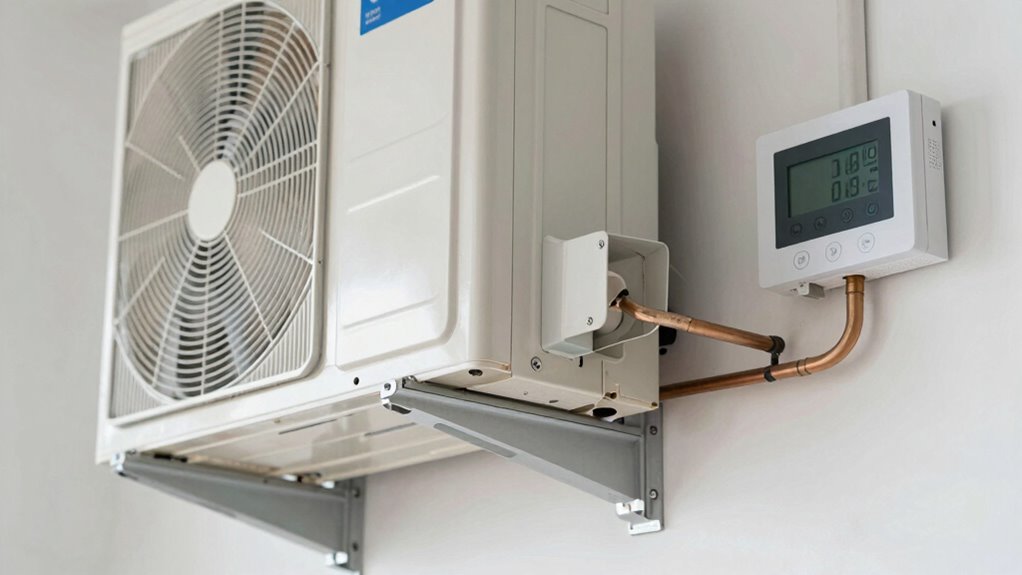
Mini-split systems are often marketed as easy DIY projects, but the reality is more complex. While the idea of installing your own mini-split might seem straightforward, there are several critical parts and steps that require careful attention. Skipping or rushing through these can lead to costly mistakes or safety hazards. Before diving in, you need to understand the key components you can’t overlook, especially considering cost considerations and safety precautions.
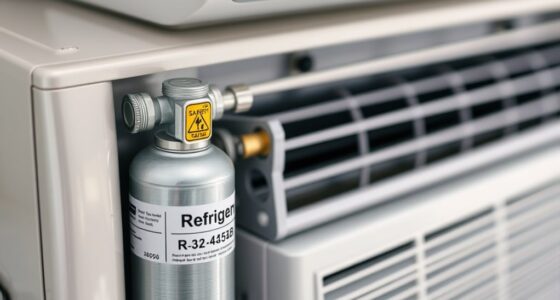
First, the indoor and outdoor units are the core parts of your system. These units are designed to work together, so selecting the right size and capacity is essential for both efficiency and comfort. Proper installation of these units requires precise mounting and secure connections. If you’re tempted to cut corners, you might save money initially, but improper installation can lead to refrigerant leaks, reduced efficiency, or system failure, which will cost you more in repairs down the line. Also, the refrigerant lines connecting the indoor and outdoor units are vital. They must be correctly sized, insulated, and sealed to prevent leaks and ensure optimal performance. Handling refrigerants involves safety precautions; refrigerant leaks can be dangerous, and improper handling can harm the environment. Additionally, understanding the importance of proper refrigerant charge and the correct procedures for filling or evacuating the system is essential for safe and efficient operation.
Choosing the right units and proper installation are crucial for system efficiency and safety.
The electrical connections are another crucial part you can’t ignore. Mini-split systems require a dedicated power supply, and incorrect wiring can pose serious safety risks, including electrical shock or fire hazards. If you’re not familiar with electrical codes, it’s wise to consult a professional or at least follow strict safety precautions—turn off power before working on any wiring, use the correct tools, and double-check connections. While some parts might seem manageable to install yourself, tampering with wiring or refrigerant lines without proper knowledge can lead to accidents, void warranties, or damage the unit.
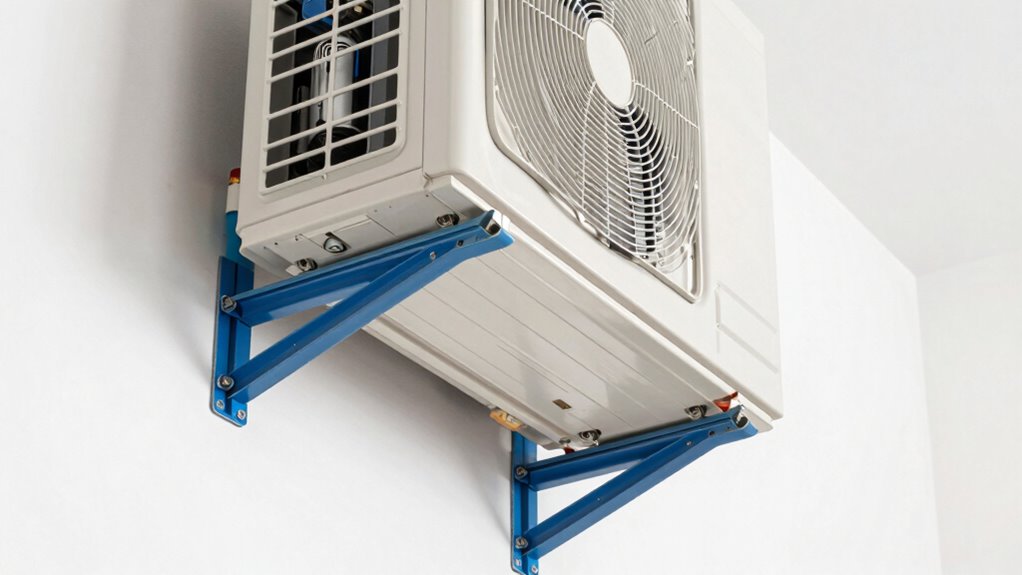
Finally, the installation process involves mounting brackets, drainage, and possibly creating holes in walls or ceilings. These steps demand precise measurement and attention to detail. Poorly mounted units can fall, causing damage or injury, and improper drainage can lead to water damage or mold growth. Always prioritize safety precautions during these steps—use proper tools, wear safety gear, and ensure the structure can support the weight of the system.
Frequently Asked Questions
Can I Install a Mini-Split System Without Professional Help?
You can try installing a mini-split system yourself, but beware of DIY pitfalls and installation myths. Without professional help, you risk improper setup, which can lead to inefficient cooling, leaks, or damage. Handling refrigerant lines and electrical connections is complex and dangerous without proper training. If you’re set on a DIY approach, thoroughly research procedures and consider consulting a professional for critical steps to guarantee your system works safely and effectively.
What Safety Precautions Should I Follow During Installation?
Your safety is the top priority—don’t underestimate the danger! Always turn off the power supply before starting, and double-check electrical safety by ensuring proper grounding. Use insulated tools, wear gloves, and protective eyewear to guard against shocks or sparks. Remember, a small mistake can cause big problems, so follow safety precautions meticulously. Stay alert, stay safe, and never skip the basics like proper grounding and electrical safety during installation.
How Long Does a Typical Mini-Split Installation Take?
A typical mini-split installation takes about 4 to 8 hours, depending on your home’s complexity and your experience. You should consider the installation timeline carefully, as factors like electrical work or wall modifications can extend the process. Labor considerations also include making certain you have the right tools and enough help. Planning ahead helps make sure the project stays on track, avoiding unnecessary delays.
What Tools Are Essential for a DIY Mini-Split Setup?
To set up a DIY mini-split, you’ll need essential tools like a drill, screwdriver, level, and a wrench. You should also have a refrigerant gauge for handling refrigerant safely and guarantee proper electrical wiring connections. A vacuum pump is vital for removing air from the lines, and safety equipment like gloves and goggles protect you during installation. These tools guarantee a safe, efficient setup.
Are There Warranty Concerns With DIY Mini-Split Installation?
About 65% of mini-split warranties require professional installation, so DIY installation can jeopardize your coverage. Warranty concerns are real—you risk losing support if something goes wrong. While you can save money upfront, professional installation ensures compliance with warranty terms and reduces potential issues. If you skip professional help, be prepared to handle repairs yourself, which could be costly and complicated without proper expertise.
Conclusion
Before you dive into your mini-split DIY project, remember, some parts are non-negotiable. Skipping essential steps could lead to bigger problems down the line—like costly repairs or safety hazards. Are you truly prepared to handle the complexities involved? The truth is, missing just one vital component might mean facing surprises you didn’t see coming. Think you’re ready? The next move could make or break your cooling system’s future.