White residue on dishes after dishwasher cycles is a common problem caused by mineral deposits, detergent buildup, or hard water. This guide shows how to effectively remove existing residue and prevent future buildup. It is suitable for homeowners or renters with basic cleaning skills. Completing this task will result in cleaner dishes and a more efficient dishwasher.
Difficulty: Intermediate | Time: 30-60 minutes
What You’ll Need
Tools & Materials:
- White vinegar
- Baking soda
- Soft cloth or sponge
- Toothbrush
- Measuring cup
- Spray bottle
Knowledge:
- Basic understanding of dishwasher operation and cleaning
Use protective gloves if you have sensitive skin. Ensure your dishwasher is empty before starting the cleaning process.
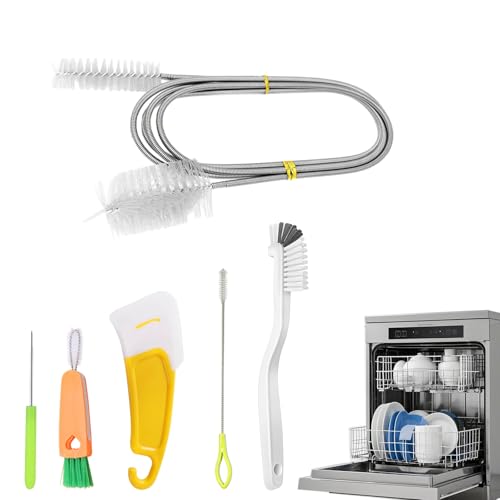
Dishwasher Cleaner Brush Kit – 6PCS Deep Cleaning Tools with Pick, Scraper, Straw Brush, Gap & Angle Brush, Flexible Tubes Brush for Spotless Dishwasher
Deep Clean Every Corner Tackle hidden grime with our 6-piece brush kit! Includes a pick, silicone scraper, straw…
As an affiliate, we earn on qualifying purchases.
As an affiliate, we earn on qualifying purchases.
Before You Start
Verify your dishwasher model and check manufacturer instructions for cleaning. Do not use abrasive tools or harsh chemicals that may damage the interior. Perform cleaning when the dishwasher is not in use and has been idle for a few hours.

Affresh Dishwasher Cleaner, Helps Power Away Odor Causing Bacteria, Limescale, Mineral Deposits & Grime Inside Pump, Tub & Hoses, 6 Tablets, 6 Month Supply
Powers Away Limescale And Mineral Build-up
As an affiliate, we earn on qualifying purchases.
As an affiliate, we earn on qualifying purchases.
Step-by-Step Instructions
Step 1: Remove and clean dishwasher filters
Open the dishwasher door and locate the filter at the bottom. Remove the filter according to your model’s instructions. Rinse it under warm water, scrubbing gently with a toothbrush to remove debris and buildup. Reinstall the filter securely.
Tip: Check the filter for cracks or damage and replace if necessary. Clean the filter regularly to prevent residue buildup.
Check: The filter is free of debris, looks clean, and is reinstalled properly with no leaks.
Step 2: Run a vinegar cycle to dissolve mineral deposits
Pour 2 cups of white vinegar into a dishwasher-safe cup or bowl and place it on the top rack. Run the dishwasher on a hot water cycle without any dishes inside. This helps break down mineral deposits and soap scum.
Tip: Use white vinegar only; avoid mixing with other cleaning agents during this step.
Check: Dishes come out with less white residue, and the interior appears cleaner with fewer mineral deposits.
Step 3: Sprinkle baking soda and run a cleaning cycle
Sprinkle 1 cup of baking soda evenly across the bottom of the dishwasher. Run a short hot water cycle. This step deodorizes the interior and removes remaining stains or buildup.
Tip: Ensure baking soda is spread evenly for maximum effectiveness.
Check: Interior surfaces look brighter, and dishes have fewer white spots after the cycle.
Step 4: Clean spray arms and nozzles
Remove the spray arms according to your model’s instructions. Rinse under warm water, and use a toothpick or small brush to clear any clogged holes. Reattach the spray arms securely.
Tip: Check for mineral deposits or debris blocking the nozzles regularly.
Check: Spray arms rotate freely and water sprays evenly during operation.
Step 5: Adjust water temperature and detergent use
Ensure your water heater is set to at least 120°F (49°C) for optimal cleaning. Use high-quality, phosphate-free detergent suitable for your water hardness. Run a test cycle with clean dishes.
Tip: Use a water softener or rinse aid if you have hard water issues.
Check: Dishes rinse clean without white residue and the dishwasher operates efficiently.

Arm & Hammer Baking Soda, 3lb Powder Bag, Pure Baking Soda for Baking, Cooking, Cleaning – Grocery
As an affiliate, we earn on qualifying purchases.
As an affiliate, we earn on qualifying purchases.
Common Mistakes to Avoid
- Using too much detergent — Follow the detergent manufacturer’s recommended amount, especially if you have hard water.
- Neglecting regular cleaning — Clean filters and spray arms monthly to prevent buildup.
- Ignoring water temperature settings — Ensure water heats sufficiently; adjust your water heater if needed.
- Using abrasive tools or harsh chemicals — Stick to vinegar and baking soda, and use soft cloths or brushes for cleaning.
Dishwasher Cleaner Brush Kit – 6PCS Deep Cleaning Tools with Pick, Scraper, Straw Brush, Gap & Angle Brush, Flexible Tubes Brush for Spotless Dishwasher
Deep Clean Every Corner Tackle hidden grime with our 6-piece brush kit! Includes a pick, silicone scraper, straw…
As an affiliate, we earn on qualifying purchases.
As an affiliate, we earn on qualifying purchases.
Troubleshooting
Problem: White residue persists after cleaning
Solution: Check water temperature, increase it if needed, and consider installing a water softener or using rinse aid.
Problem: Dishes still look cloudy or spotty
Solution: Use a quality detergent, verify correct amount, and run a rinse cycle with vinegar or a commercial rinse aid.
Problem: Spray arms not rotating or water not spraying evenly
Solution: Clean and reattach spray arms, clear nozzles of debris, and check for clogs.
What Success Looks Like
After completing these steps, dishes should come out clean, clear, and free of white spots or residue. The interior of the dishwasher should look visibly cleaner, with no mineral deposits or buildup. Water spray should be even, and the appliance should operate smoothly.
Next Steps
Maintain the cleanliness by regularly checking and cleaning filters and spray arms. Consider using rinse aid regularly if you have hard water. Repeat this cleaning routine every 1-3 months or as needed to prevent residue buildup. If issues persist, consult the dishwasher manufacturer or a professional technician.
Frequently Asked Questions
Why does my dishwasher leave white spots on dishes?
This is usually caused by mineral deposits from hard water or excess detergent residue. Using a water softener, rinse aid, or reducing detergent amount can help prevent this.
Can I use vinegar regularly to prevent residue?
Yes, using vinegar once a month helps dissolve mineral buildup. Avoid overuse, as it may degrade rubber seals over time.
Why are my spray arms not cleaning effectively?
Clogged or blocked nozzles reduce water flow. Remove and clean spray arms regularly to maintain proper spray patterns.
Is it safe to run vinegar and baking soda together?
It’s best to run them separately, as in this guide—vinegar first, then baking soda. Mixing them directly can neutralize their cleaning effects.