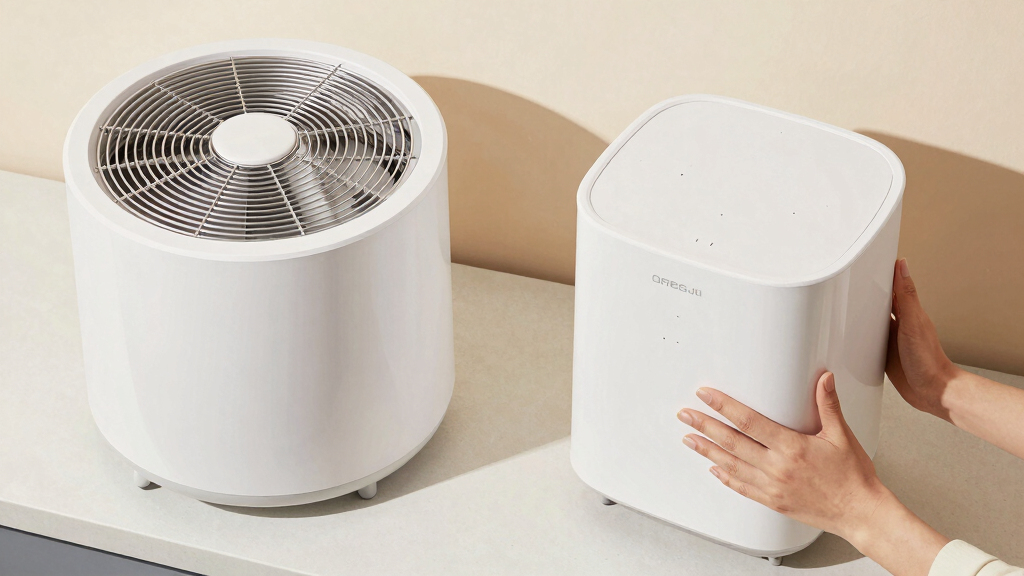

Choosing a clothes dryer involves balancing upfront costs, running expenses, and convenience. The two most common types are heat pump dryers and condenser dryers. Heat pump models use a refrigeration cycle to dry clothes at lower temperatures, resulting in better energy efficiency and gentler drying. Condenser dryers, on the other hand, heat air directly and condense moisture into a reservoir or drain, typically at a lower purchase price. This comparison helps homeowners and renters decide which fits their budget, environmental priorities, and laundry needs. Those prioritizing long-term savings and eco-friendliness may prefer heat pump dryers, while buyers seeking a more affordable initial investment might opt for condenser models.
At a Glance
| Criteria | Heat Pump Dryer | Condenser Dryer | Winner |
|---|---|---|---|
| Energy Efficiency | High — uses less electricity, lowers energy bills | Moderate — uses more electricity, higher bills over time | A |
| Purchase Price | Moderate — generally more expensive | Lower — cheaper upfront | B |
| Operating Cost | Lower — due to energy savings | Higher — increased energy use | B |
| Drying Time | Longer — typically takes more time to dry | Shorter — faster drying cycle | B |
| Ease of Installation & Space | More complex — requires proper space and ventilation | Simpler — easier to install in small spaces | B |
| Maintenance & Durability | Potentially higher — more sophisticated components | Lower — simpler mechanics, fewer parts | B |
| Environmental Impact | Lower — less environmental impact over time | Higher — more energy consumption and emissions | A |
| User Convenience | User-friendly — gentle drying, advanced features | Convenient — quick, straightforward operation | A |

Midea MLE25H7BWW Heat Pump, Ventless Front Load Dryer Stackable Washing Machine, Energy Efficient and Space Saving, 4.4 Cu.ft, White
240V Heat Pump Dryer – The Heat pump dryer does not require ventilation, making it easy to install….
As an affiliate, we earn on qualifying purchases.
As an affiliate, we earn on qualifying purchases.
Key Differences
The core difference lies in energy consumption and long-term costs. Heat pump dryers excel in energy efficiency, which translates into lower utility bills and a smaller environmental footprint, but they come with higher initial purchase prices. Condenser dryers, while more affordable upfront and easier to install, tend to consume more electricity, leading to higher operating costs over time. Drying speed is another key point: condenser models typically dry clothes faster, which could appeal to users needing quick turnaround. Maintenance and durability also differ, with heat pump dryers requiring more careful handling due to their complex refrigeration system, whereas condenser dryers have simpler mechanics. The choice ultimately hinges on whether users prioritize immediate affordability or long-term savings and eco-friendliness.

Effidry 110V Portable Clothes Dryer 830W Compact Laundry Dryers 2 cu.ft Electric Machine with Stainless Steel Tub for Apartment,RVs,Dorms,12LBS drying machine Clothing Dryer secadora portatil de ropa
This dryer is suitable for small spaces such as apartments, dormitories, rooms and campers. Portable design, no installation…
As an affiliate, we earn on qualifying purchases.
As an affiliate, we earn on qualifying purchases.
Detailed Comparison
Energy Efficiency (Heat Pump Dryer wins — major)
Heat pump dryers are significantly more energy-efficient, consuming roughly 50% less electricity than condenser dryers. This major gap means lower utility bills and a smaller carbon footprint for heat pump models, making them suitable for environmentally conscious users or those seeking long-term savings.
Purchase Price (Condenser Dryer wins — moderate)
Condenser dryers generally cost less upfront—often 20-30% cheaper than heat pump models. For buyers on a tight initial budget, this lower purchase price makes condenser dryers more attractive, despite higher energy costs later.
Operating Cost (Condenser Dryer wins — moderate)
Because heat pump dryers use less electricity, their ongoing costs are lower, often paying for the initial investment in savings within a few years. Condenser dryers, with higher energy consumption, incur higher electricity bills over their lifespan, making them more expensive to operate.
Drying Time (Condenser Dryer wins — moderate)
Condenser dryers typically dry clothes faster, often completing cycles in under an hour, while heat pump dryers may take 1.5 to 2 hours. For users who need quick drying, condenser units have a clear advantage, though at the expense of energy efficiency.
Ease of Installation & Space Requirements (Condenser Dryer wins — minor)
Condenser dryers are generally easier to install, as they don’t require special ventilation or plumbing and are more compact. Heat pump dryers may need more space and proper ventilation setup, making installation more involved.
Maintenance & Durability (Condenser Dryer wins — minor)
Heat pump dryers have more complex systems, requiring regular cleaning of filters and occasional maintenance of refrigeration parts, which may lead to higher repair costs. Condenser dryers are mechanically simpler, generally more durable for rough use, but can accumulate lint and require regular cleaning.
Environmental Impact (Heat Pump Dryer wins — major)
Heat pump dryers produce fewer greenhouse gases over their lifetime due to lower energy use, making them more eco-friendly. Condenser dryers, with higher energy consumption, have a larger carbon footprint.
User Convenience (Condenser Dryer wins — minor)
Both dryers are user-friendly, but condenser dryers offer faster cycles, which can be more convenient for busy households. Heat pump dryers, while slower, provide gentler drying and are often equipped with advanced features like moisture sensors.

LG 5403EL1001D Genuine OEM Condenser Assembly for LG Dryers
This LG Condenser Assembly is a genuine OEM (Original Equipment Manufacturer) part manufactured to exact specifications
As an affiliate, we earn on qualifying purchases.
As an affiliate, we earn on qualifying purchases.
Heat Pump Dryer: Pros and Cons
Pros:
- Excellent energy efficiency reduces long-term utility costs
- Lower environmental impact over lifespan
- Gentle drying suitable for delicate fabrics
- Advanced features like moisture sensors
Cons:
- Higher initial purchase price
- Longer drying times
- More complex maintenance needs
- Potentially larger footprint

3pcs Dryer Filters 2964840100 for Beko Grundig Elektra Bregenz Blomberg DSX83410W DE8635RX Tumble Dryer Heat Pump Dryer ponge Foam Filter Spare Parts(240X150X12MM)
【Widespread replacement】Replaces the original heat pump filter dryer DS 8433 PA0 DE8635RX DS7512PA part no. : 2964840100/2964840200 for…
As an affiliate, we earn on qualifying purchases.
As an affiliate, we earn on qualifying purchases.
Condenser Dryer: Pros and Cons
Pros:
- Lower upfront cost
- Faster drying cycles
- Simpler installation and maintenance
- Typically more compact
Cons:
- Higher energy consumption increases operating costs
- Less eco-friendly
- Potentially shorter lifespan due to simpler mechanics
- More impact on utility bills over time
Who Should Choose What
Choose Heat Pump Dryer if:
- You prioritize lower energy bills and environmental sustainability
- You are willing to invest more upfront for long-term savings
- You have space and can handle potentially longer drying cycles
- You want gentle drying for delicate fabrics
Choose Condenser Dryer if:
- You need a dryer quickly and at a lower initial cost
- You prefer faster drying cycles for busy schedules
- Space and installation are limited
- You are less concerned about long-term energy savings
Value for Money
Paying more for a heat pump dryer makes sense if long-term savings, lower utility bills, and environmental impact are priorities, especially for larger households or environmentally conscious consumers. For those with tighter budgets, condenser dryers provide immediate affordability and convenience, but at higher ongoing costs. The choice hinges on whether users value upfront savings or long-term efficiency and eco-friendliness.
Final Verdict
For most households aiming to reduce energy costs and environmental impact, a heat pump dryer offers clear advantages despite the higher initial investment. It suits users willing to wait for longer drying times in exchange for lower bills and sustainability. Conversely, for buyers seeking quick, affordable drying without concern for long-term expenses, a condenser dryer remains practical and cost-effective upfront. Overall, the decision depends on budget priorities and commitment to energy efficiency.
Frequently Asked Questions
Are heat pump dryers worth the extra cost?
Yes, if you prioritize lower energy bills and environmental benefits over initial cost. They typically pay for themselves over a few years through savings.
Do condenser dryers dry clothes faster than heat pump dryers?
Yes, condenser dryers generally complete cycles faster, which is beneficial for busy households needing quick laundry turnaround.
Which dryer type is easier to maintain?
Condenser dryers are simpler mechanically and easier to maintain, while heat pump dryers require more careful handling and regular filter cleaning.
Can I install a heat pump dryer in a small space?
Yes, but it may require additional space for ventilation and proper setup, unlike condenser dryers which are more flexible in tight spaces.
Are heat pump dryers more environmentally friendly?
Yes, due to their lower energy consumption, they produce fewer greenhouse gases over their lifespan.