To weatherize your home and cut down heating and cooling loads, start by upgrading insulation in your attic, walls, and floors to create a strong barrier against temperature loss. Seal gaps, cracks, and leaks around windows, doors, vents, and outlets using weatherproof sealants. Consider adding storm windows or door sweeps for extra protection. These steps improve energy efficiency and indoor comfort. Keep exploring ways to optimize your home’s envelope for long-term savings.
Key Takeaways
- Seal leaks around windows, doors, vents, and outlets with high-quality weatherproof sealants to prevent air infiltration.
- Upgrade attic, wall, and basement insulation using appropriate types like batt, blown-in, or spray foam for better thermal retention.
- Install storm windows, door sweeps, and weatherstripping to create a continuous barrier against air leaks.
- Properly seal and insulate ductwork to minimize energy loss and improve HVAC efficiency.
- Regularly inspect and maintain existing weatherization measures for optimal long-term energy savings.
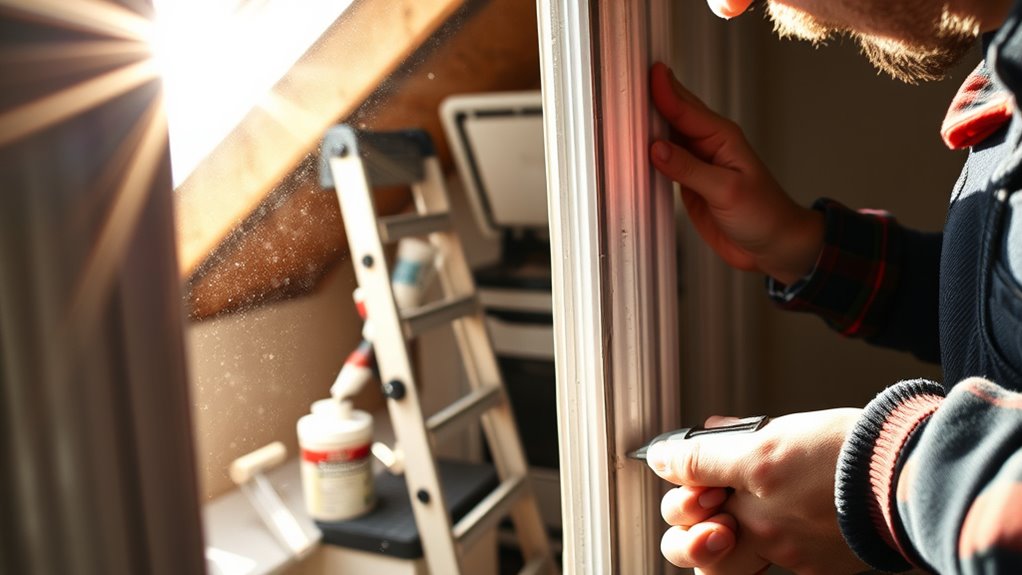
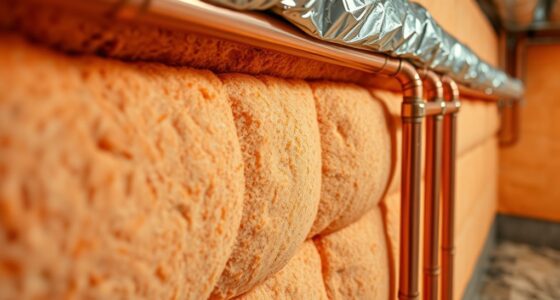
Preparing your home for extreme weather is vital to improve energy efficiency and guarantee comfort throughout the year. When you focus on insulation improvement, you create a barrier that keeps warm air in during winter and cool air in during summer, reducing the workload on your heating and cooling systems. Start by evaluating your current insulation levels—check the attic, walls, floors, and basement to identify any gaps or areas where insulation has settled or deteriorated. Upgrading or adding insulation in these spots can notably cut down on energy loss, saving you money on utility bills and making your home more resilient against temperature fluctuations.
Alongside insulation improvement, sealant application is a key step. Small gaps, cracks, and leaks around windows, doors, vents, and electrical outlets allow conditioned air to escape and outdoor air to infiltrate, which forces your HVAC system to work harder to maintain a comfortable indoor environment. You can seal these leaks with high-quality weatherproof sealants—caulk for smaller gaps and expanding foam for larger openings. Be thorough: inspect all potential entry points and apply sealant carefully to guarantee a tight seal. This process not only improves energy efficiency but also enhances your home’s overall comfort and indoor air quality by reducing drafts and allergens.
As you work on insulation improvement and sealant application, remember that proper preparation makes a big difference. Clean surfaces before applying sealants, and follow manufacturer instructions for curing times. For insulation, consider whether you need to add batt, blown-in, or spray foam insulation, depending on your home’s structure and your specific needs. While upgrading insulation can be a DIY project in accessible areas, larger or more complex spaces might require professional assistance to guarantee proper installation and maximum effectiveness. Additionally, air leakage reduction is an essential component that can significantly impact your overall energy savings.
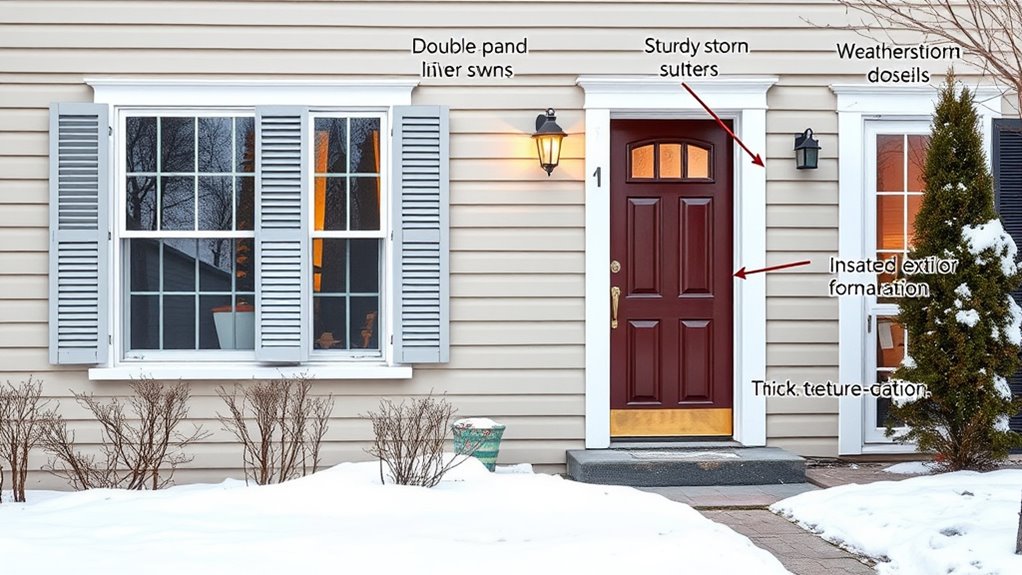
Once you’ve improved insulation and sealed leaks, don’t forget to check and replace weatherstripping on doors and windows regularly. These small adjustments can prevent air leaks that undermine your efforts. Also, consider installing storm windows or door sweeps to provide an extra layer of protection against the elements. The goal is to create a unified system of barriers that keep your home warm in winter and cool in summer, reducing the strain on your HVAC system and lowering your energy bills.
attic insulation batts
As an affiliate, we earn on qualifying purchases.
As an affiliate, we earn on qualifying purchases.
Frequently Asked Questions
How Often Should I Recheck for Air Leaks After Weatherizing?
You should recheck for air leaks at least once a year, especially before extreme weather seasons. Use simple leak detection methods like a smoke pen, or hold a lit incense stick near potential problem areas to observe any movement. An inspection schedule helps you stay proactive, ensuring all seals remain effective. Regular inspections keep your home energy-efficient and comfortable, preventing small leaks from turning into costly energy losses.
Are There Eco-Friendly Weatherization Materials Available?
Yes, eco-friendly weatherization materials are available. You can choose sustainable materials like cellulose insulation made from recycled paper, hemp, or wool, which are natural and environmentally friendly options. These eco-friendly options help reduce your home’s carbon footprint while maintaining energy efficiency. By selecting sustainable materials, you support environmentally conscious choices that protect the planet without sacrificing comfort or performance in your home.
Can Weatherization Improve Indoor Air Quality?
Think of your home as a living garden; weatherization acts like nurturing the soil. It can improve indoor air quality by reducing drafts and preventing pollutants from entering. Adding indoor plants further filters the air naturally, turning your space into a lush oasis. Together, weatherization and air filtration create a healthier environment, making your home feel revitalized, cleaner, and more inviting—like a gust of fresh air in a cozy sanctuary.
What Is the Typical Cost Versus Savings for Weatherization?
You’ll find that weatherization costs typically range from $500 to $2,500, depending on your home’s size and needed improvements. Conducting a cost analysis shows you can save up to 20% on energy bills, with a strong ROI estimation often within 1-3 years. These savings make weatherization a smart investment, reducing your heating and cooling costs while increasing comfort and energy efficiency.
How Do I Prioritize Weatherization Projects for Maximum Efficiency?
Start by scheduling an energy audit to identify the most critical areas for improvement. Prioritize insulation upgrades in your attic, walls, and floors, as they considerably reduce heat transfer. Focus on sealing leaks around windows and doors first for quick savings. Once these are done, invest in upgrading insulation and sealing any remaining gaps. This strategic approach maximizes efficiency and guarantees your weatherization efforts deliver the best results.
weatherproof door sealant
As an affiliate, we earn on qualifying purchases.
As an affiliate, we earn on qualifying purchases.
Conclusion
Just like a wise hero shields their fortress from invaders, weatherizing your home guards it against the forces of waste and high energy bills. By sealing leaks and insulating properly, you harness the power of a well-guarded castle—comfortable and efficient. Embrace these steps, and you’ll turn your home into a resilient sanctuary, much like a seasoned knight defending their domain. With your efforts, you’ll stand strong against the elements, saving energy and money along the way.
storm windows for home
As an affiliate, we earn on qualifying purchases.
As an affiliate, we earn on qualifying purchases.
expanding foam sealant
As an affiliate, we earn on qualifying purchases.
As an affiliate, we earn on qualifying purchases.