
TL;DR

Get home appliances delivered free with Prime
- Fast, free delivery on millions of items
- Prime Video, Amazon Music and more included
- Member-only deals all year
Smart home energy monitors track electricity use in real-time, helping you identify energy hogs and save money. Recent tech advances make them more accurate, easy to use, and compatible with renewable energy sources—turning your house into a smarter, more efficient home.
Imagine standing in your living room, feeling the gentle hum of your appliances. Now, picture a device that not only hears that hum but tells you exactly how much energy each gadget consumes—down to the last watt. Smart home energy monitors turn this vision into reality, giving you a clear window into your home’s power habits. They’re no longer just gadgets for tech enthusiasts—they’re becoming essentials for anyone wanting to cut costs and shrink their carbon footprint.
If you’ve ever wondered where your energy dollars go, this guide will explain how these monitors work, the latest upgrades, and what to look for before buying one. By the end, you’ll see how a simple device can make your home smarter—and your wallet fatter.
Choose the right monitor type based on your home’s size, tech skills, and goals—plug-in, whole-house, or submetering.
Installation is often straightforward, but panel systems may need professional help—safety first.
Effective monitoring can cut household energy bills by up to 20%, saving you money and reducing environmental impact.
Prioritize features like accuracy, compatibility, and privacy when shopping.
Latest models incorporate AI and support solar/battery tracking, making your energy management smarter than ever.
What Exactly Do Smart Home Energy Monitors Do for You?
Smart home energy monitors provide real-time data on your electricity use. Think of them as a health tracker, but for your house—showing which appliances sip power and how much they cost you each month. This data isn’t just for curiosity; it’s a powerful tool for behavioral change. For example, recognizing that your refrigerator is running 24/7 and consuming more energy than necessary can prompt you to replace it with a more efficient model, leading to long-term savings and reduced environmental impact. Moreover, understanding when and how your appliances draw power helps you identify inefficiencies or malfunctioning equipment that could be costing you extra without your knowledge.
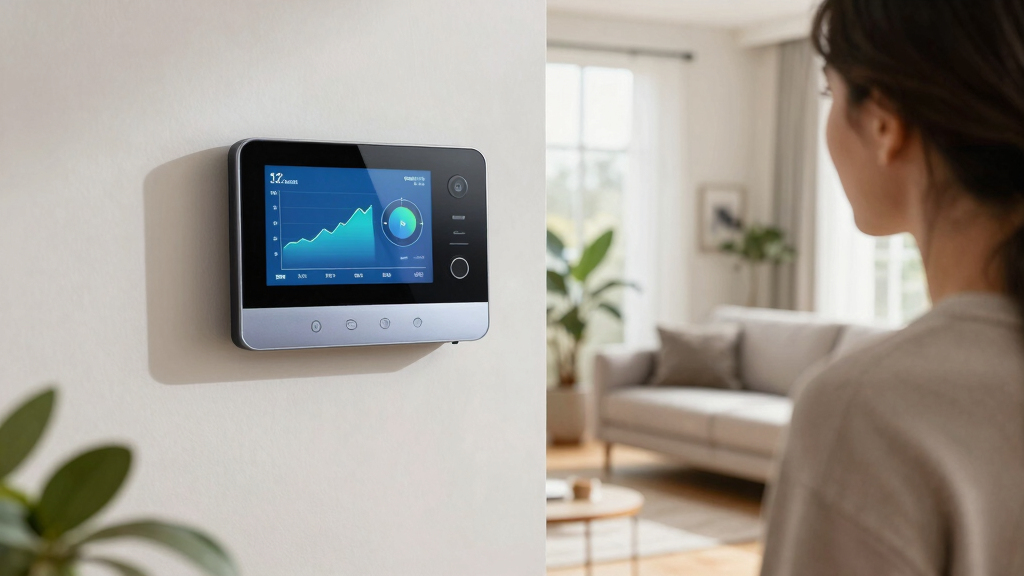
Most models connect to your electrical panel or outlets, then send data to an app on your phone or computer. This dashboard displays colorful graphs, usage patterns, and alerts, making it easy to spot high-energy appliances or unusual spikes. This insight empowers you to make informed decisions—whether that’s unplugging devices during peak hours, scheduling heavy loads for off-peak times, or considering upgrades. Essentially, these monitors turn raw data into actionable strategies that can significantly lower your energy bills and reduce your home’s carbon footprint.
As an affiliate, we earn on qualifying purchases.
Which Type of Monitor Fits Your Home Best?
Choosing the right monitor depends on your home’s size, your tech comfort level, and goals. Here’s a quick comparison:
| Type | How It Works | Best For |
|---|---|---|
| Whole-House Monitors | Installed at your main panel to track total energy use | Homeowners who want a big picture view and are okay with professional installation |
| Device-Level Monitors | Plug into outlets or connect to smart plugs for specific devices | Those who want quick, DIY setups for appliances like coffee makers or TVs |
| Submetering Systems | Divide your home into circuits for detailed analysis | People with complex setups or wanting to monitor multiple zones |
For example, a homeowner with a sizable solar setup used a whole-house monitor to track overall consumption and solar output side by side. This dual insight allowed her to optimize her energy use—maximizing solar benefits while minimizing grid reliance. Understanding which monitor type aligns with your home’s infrastructure and your technical comfort level will influence not only installation ease but also the granularity and usefulness of data you receive. A more comprehensive system might require investment and expertise but can offer detailed insights that lead to more precise savings. Conversely, simple plug-in devices are accessible but may lack the depth needed for complex energy management strategies.
How to Install a Smart Energy Monitor Without Breaking a Sweat
- Pick the right model for your home—plug-in for quick setup or professional for full panel integration. Consider your comfort with electrical work and the complexity of your system.
- Turn off your main power supply to stay safe—this is especially crucial for panel-mounted monitors, where improper handling could cause electrical hazards or system damage.
- Follow the installation instructions carefully—some devices just plug into an outlet, providing immediate data, while others require wiring at the breaker box. Incorrect installation can lead to inaccurate readings or safety issues, so taking your time and understanding the process is vital.
- Connect the monitor to your Wi-Fi and sync it with the app on your phone. Ensure your network is secure to protect your data privacy. Proper setup ensures reliable data transmission and timely alerts.
- Start tracking and tweak your energy habits based on what you learn. Set goals or schedules within the app to automate savings and monitor progress over time.
For instance, a DIY enthusiast installed a plug-in monitor on her gaming console, then watched her energy spikes during long gaming marathons. The setup took less than 10 minutes, and she immediately saw areas to cut back, like unplugging during idle times. For more complex installations, such as panel-mounted systems, hiring a licensed electrician ensures safety, compliance, and optimal system performance—trades that might cost more upfront but prevent costly mistakes or system failures later.
Can a Smart Energy Monitor Really Save You Money?
Yes, but understanding why is key. These devices do more than just display numbers—they reveal the hidden costs embedded in your daily routines. For instance, seeing that your old space heater consumes a disproportionate amount of energy during cold snaps can motivate you to replace it with a more efficient model or use it more judiciously. This behavioral shift can lead to savings of 10-20% on your monthly bills, which over time accumulates into hundreds of dollars saved annually. The real power lies in awareness: when you understand how and when your appliances draw power, you can optimize their use—turning off or unplugging devices during peak hours or when not needed. The tradeoff is that some savings require changing habits, which can be challenging but ultimately rewarding. Additionally, the ability of these monitors to alert you to abnormal usage—like a malfunctioning refrigerator or a faulty appliance—can prevent costly repairs or energy waste before it escalates.
For example, one user’s monitor detected a refrigerator that was running nonstop due to a faulty door seal. Fixing this issue saved him more than just a few dollars on his bill—it extended the appliance’s lifespan and prevented potential damage. Such insights underscore the value of continuous monitoring, turning passive data into proactive savings and maintenance decisions.
What Features Make the Best Smart Home Energy Monitors?
Some features stand out when choosing your ideal monitor. Look for:
- Accuracy: Precise readings matter—advanced sensors can distinguish between appliances and even detect subtle variations, which is crucial for identifying inefficiencies or malfunctions that could otherwise go unnoticed.
- Ease of Use: Intuitive apps with clear dashboards and actionable insights simplify understanding energy patterns, making it easier to implement savings strategies without extensive technical knowledge.
- Compatibility: Works with your existing smart home gear, like Alexa, Google Home, or Apple HomeKit, enabling automation and voice control that streamline your energy management—saving time and effort.
- Data Privacy: Strong encryption and transparent policies are essential to protect sensitive usage data from potential breaches or misuse, especially as devices become more connected.
- Additional Monitoring: Support for solar, batteries, or additional circuits adds flexibility, allowing you to create a comprehensive energy profile that reflects your entire home’s system, including renewable sources.
For example, the Sense monitor can distinguish between a dryer, microwave, and hairdryer, giving homeowners detailed insights. This granularity not only helps pinpoint inefficiencies but also enables tailored actions—like scheduling dryer runs during sunny hours to maximize solar savings or monitoring specific circuits for potential issues. Prioritizing these features ensures your device will be both effective and secure, aligning with your long-term energy goals.
Latest Tech Upgrades That Make These Monitors Smarter Than Ever
Modern energy monitors are packing impressive tech. Many now use AI and machine learning to analyze usage patterns and predict future spikes. This means they don’t just show you current consumption—they learn from your habits, providing proactive insights. For instance, some models can identify when your energy use is increasing unexpectedly, warning you before costs skyrocket or equipment fails. This predictive capability allows for preventive maintenance and smarter energy planning, which can prevent costly surprises.
Newer devices also support solar and battery tracking, giving a full picture of your renewable energy efforts. By comparing production and consumption in real-time, you can optimize when to store excess energy or feed it back to the grid, maximizing financial returns and reducing reliance on expensive grid power during peak hours. The apps supporting these features are more user-friendly, offering customizable dashboards, alerts, and tailored tips—making energy management more accessible for everyone. Wireless systems with simplified setups are also on the rise, reducing installation time and invasiveness. Some brands even incorporate automated controls, such as dimming lights or adjusting thermostats based on real-time data, further enhancing efficiency. Imagine a system that learns your schedule, adjusting heating or cooling when you’re away, saving up to 15% on bills while maintaining comfort. These innovations are making energy management smarter, more intuitive, and more effective than ever before.
Thinking About Going Green? These Monitors Help You Track Solar & Batteries
If you’ve installed solar panels or batteries, a good energy monitor becomes even more valuable. They can track your solar production, compare it with your consumption, and show how much energy you’re feeding back to the grid. This visibility helps you make smarter decisions—like shifting heavy appliance use to sunny hours or adjusting battery storage to maximize savings. For example, a homeowner with a 5kW solar system saw her dashboard display a sunny afternoon production of 20 kWh—more than enough to power her entire home, demonstrating how real-time data can optimize energy flow and reduce reliance on grid power. Some monitors also integrate with battery systems, providing insights on when to store excess energy for later use or when to draw from batteries during peak rates. This coordination enables you to lower energy costs and increase renewable energy benefits, aligning your consumption with your green goals. Overall, these monitors turn complex renewable systems into manageable, efficient assets—empowering homeowners to make environmentally and financially smarter choices with detailed, real-time feedback.
Frequently Asked Questions
How does a smart energy monitor work?
They connect to your electrical system or outlets to measure power consumption. The device then transmits this data to an app, where you can see real-time usage, patterns, and insights—helping you understand and manage your energy better.
Are smart energy monitors easy to install?
Many plug-in models are simple enough for DIY setup, often just plugging into an outlet. Whole-house monitors might require a professional electrician for safe, code-compliant installation at the panel.
Can they really save me money?
Yes. By revealing which appliances use the most power, you can change habits, turn off devices, or replace inefficient ones. Studies show savings of 10-20% on energy bills, adding up over time.
Do they work with smart home systems?
Most modern monitors integrate with platforms like Alexa, Google Home, or Apple HomeKit, allowing voice commands and automation for seamless energy management.
What should I consider before buying?
Check compatibility with your electrical setup, see if extra features like solar tracking matter to you, and ensure data privacy and ease of use align with your preferences.
Conclusion
Smart home energy monitors turn raw power data into actionable insights—cutting costs and shrinking your carbon footprint. They’re more than gadgets; they’re your home’s new brain for efficient living.
Imagine your house learning your habits, optimizing energy use automatically. That’s the future—and it’s already here. What small change could you make today that leads to big savings tomorrow? It’s time to plug in and power up your smarter home.
Fall yard work Picks
leaf blowers
As an affiliate, we earn on qualifying purchases.