
Using off-peak hours with smart scheduling can help you lower your electricity costs by taking advantage of lower rates and demand response incentives. Automate your appliances with timers or home automation devices to run during these cheaper periods without manual effort. This way, you shift high-energy tasks like laundry or dishwashing to times when energy is less expensive, saving money and supporting grid stability. Keep exploring to discover how to optimize your energy use even further.
Key Takeaways
- Utilize time-of-use rate structures to schedule high-energy tasks during off-peak hours for cost savings.
- Automate appliances with timers or smart devices to operate during lower-cost periods seamlessly.
- Participate in demand response programs to receive incentives for shifting energy use to off-peak times.
- Analyze energy consumption patterns to optimize scheduling and maximize the benefits of off-peak rates.
- Establish routines using automation tools to consistently run appliances during off-peak hours, reducing bills and supporting grid stability.
Many utility companies offer lower electricity rates during off-peak hours, making it a smart way to save money. By understanding and leveraging these discounts, you can reduce your energy costs markedly. One effective method is to participate in demand response programs, which encourage consumers to shift their usage during peak times. These programs often come with incentives, and they help balance the grid’s load while saving you money. Demand response works by signaling you when to reduce or delay high-energy tasks, such as running your dishwasher or doing laundry, during times when electricity demand is high. When you respond to these signals, you not only lower your bills but also contribute to a more stable and efficient energy system.
Participate in demand response programs to save money and support grid stability.
A key tool in managing your energy consumption is understanding time of use rates. These rate structures assign different prices to electricity based on the time of day. Typically, rates are highest during peak hours when demand is at its peak and lowest during off-peak hours. By scheduling your energy-intensive activities during these lower-cost periods, you can drastically cut your expenses. For example, you might set your washing machine, dryer, or water heater to operate late at night or early in the morning when electricity is cheaper. Many utilities provide detailed schedules for these rates, making it easier for you to plan your daily routines around them. Smart scheduling is especially effective when integrating home automation tools that can automatically adapt to rate changes.
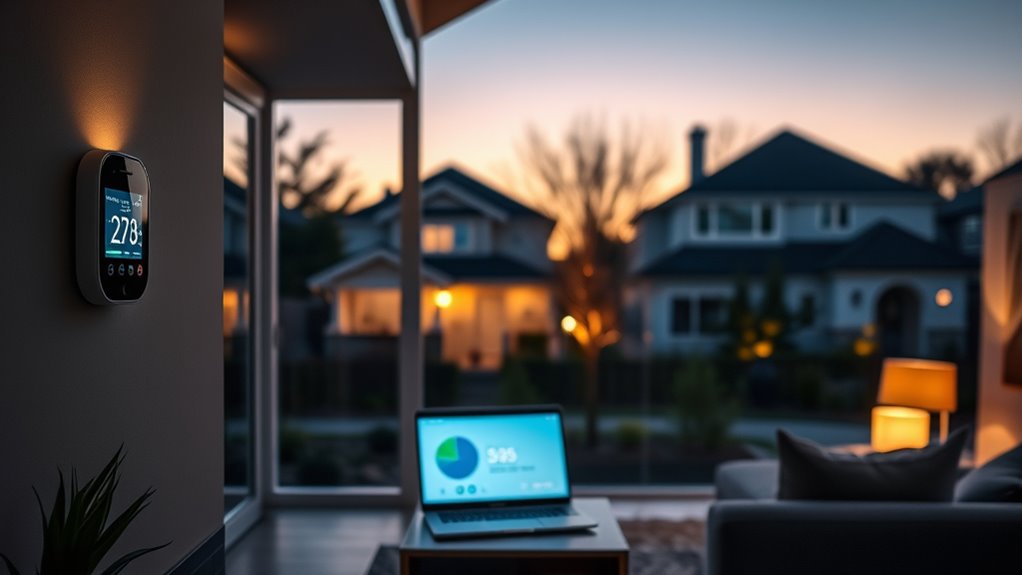
Smart scheduling becomes essential when trying to maximize savings through time of use rates. You can use timers, smart plugs, or home automation systems to automate your appliances, ensuring they run during off-peak hours without your constant intervention. This way, you don’t have to remember to shift your chores—your devices do it for you. Additionally, some smart home systems can analyze your usage patterns and automatically optimize them based on the utility’s rate schedule. This not only saves you money but also reduces unnecessary energy consumption, helping the environment.
Participating in demand response and adjusting your habits according to time of use rates requires a bit of planning upfront. But once you get into the routine, you’ll find that saving money on your electricity bill becomes effortless. It’s about making smarter choices—doing high-energy tasks when prices are lower and avoiding peak times whenever possible. With the right tools and awareness, you can take control of your energy costs, contribute to grid stability, and enjoy the benefits of lower utility bills.
Frequently Asked Questions
How Do I Identify Off-Peak Hours in My Area?
You can identify off-peak hours in your area by checking your utility company’s time of use rates, which specify when electricity costs are lower. Usually, these hours are outside peak demand periods, often late at night or early mornings. Visit your utility’s website or contact customer service to get detailed schedules. Monitoring these times helps you schedule energy-intensive tasks for when electricity is cheaper, saving you money.
Can Smart Scheduling Be Automated Completely?
Yes, smart scheduling can be fully automated. You can connect your devices to a smart system that dynamically adjusts based on off-peak hours, renewable energy availability, and your energy storage levels. This automation optimizes energy use, reduces costs, and maximizes renewable energy consumption. With current technology, you don’t need to manually intervene; your system can handle scheduling seamlessly, saving you time and money while supporting sustainable energy practices.
What Appliances Benefit Most From Off-Peak Usage?
Think of your appliances as enthusiastic students, ready to learn the best time to perform. You’ll find that water heaters, laundry machines, and dishwashers benefit most from off-peak scheduling, boosting their efficiency and saving you money. By following scheduling tips and running these devices during low-demand hours, you optimize energy use and reduce costs. Smart scheduling turns your appliances into cost-saving partners, working smarter, not harder.
Are There Any Risks or Drawbacks to Off-Peak Scheduling?
Yes, there are risks with off-peak scheduling. You might experience grid stability issues if many users shift their usage simultaneously, potentially causing voltage fluctuations or power outages. Additionally, you could face user inconvenience if your appliances aren’t designed for delayed operation or if scheduling conflicts disrupt your routines. Balancing cost savings with these risks guarantees you maintain reliable power while benefiting from lower electricity rates.
How Do Energy Tariffs Vary Between Regions?
You’ll find regional pricing and tariff differences vary widely depending on where you live. Some areas have higher peak rates and lower off-peak rates, while others keep tariffs more consistent. It’s important to check your local energy provider’s rates, as regional pricing influences the best times to use electricity. By understanding these tariff differences, you can optimize your energy use and save money effectively.
Conclusion
By scheduling your energy-intensive tasks during off-peak hours, you’re like a savvy surfer riding the quiet waves when everyone else is out of the water. Just as riding smaller waves saves you effort and keeps you steady, using smart scheduling can cut your electricity bills by up to 30%. So, embrace off-peak hours—they’re your secret surf spot to save money and stay in control, making energy management smooth and stress-free.