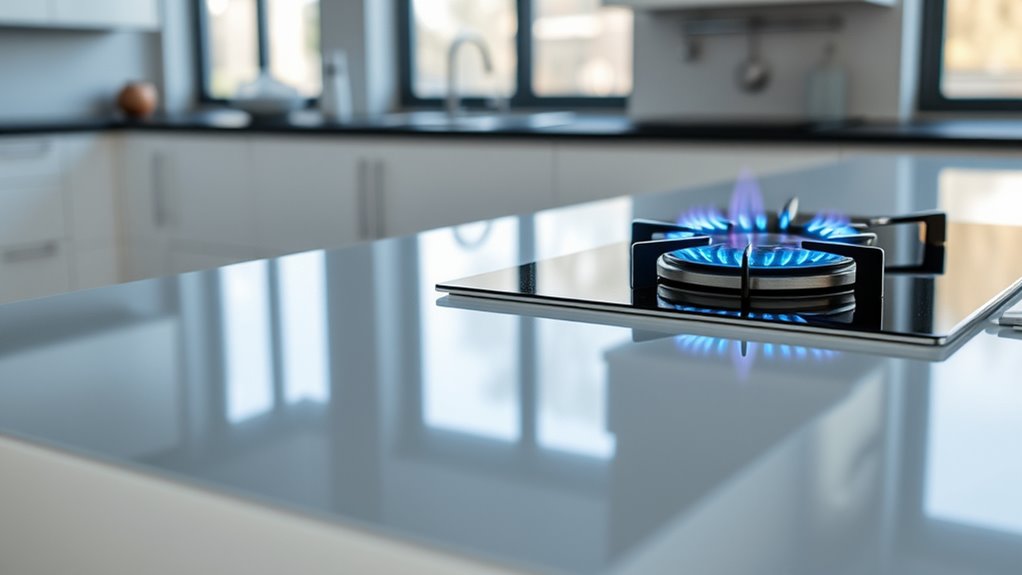

Choosing electric cooking over gas can markedly improve your indoor air quality by eliminating harmful fumes like nitrogen dioxide and carbon monoxide that gas stoves produce. This helps reduce your risk of respiratory issues and allergies, especially if you or your family have asthma or sensitivities. Electric appliances are safer, easier to clean, and more energy-efficient, offering better cooking performance. Keep exploring to discover even more reasons electric cooking benefits your health and household.

Get home appliances delivered free with Prime
- Fast, free delivery on millions of items
- Prime Video, Amazon Music and more included
- Member-only deals all year
Key Takeaways
- Electric cooking produces no harmful fumes like nitrogen dioxide or carbon monoxide, improving indoor air quality.
- Eliminates combustion byproducts that can cause respiratory issues and allergies.
- Reduces fire risks associated with open flames and gas leaks.
- Easier to clean, reducing grease buildup that can harbor mold and bacteria.
- Supports households with asthma or airborne sensitivities by providing cleaner air during cooking.
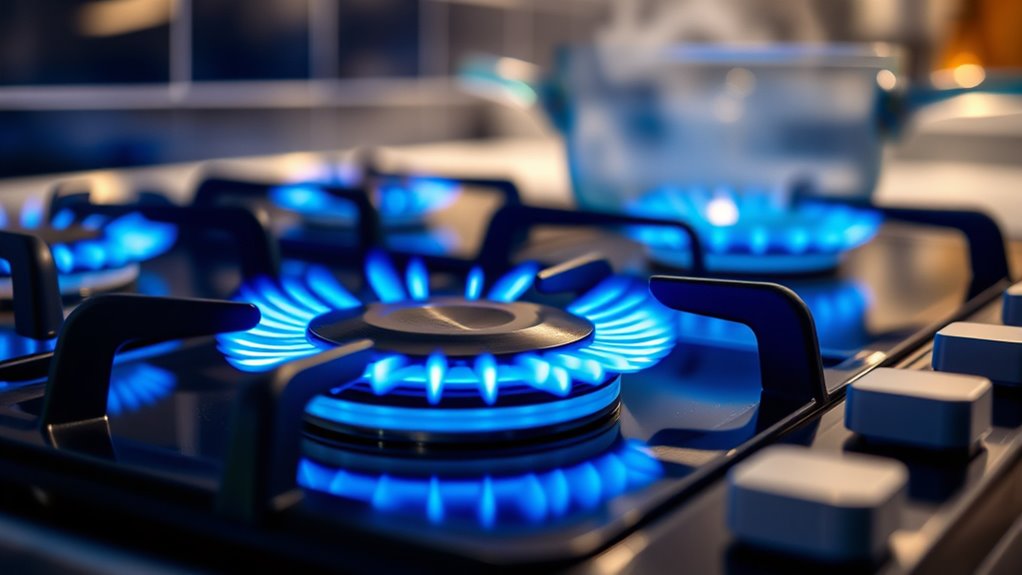
Electric cooking offers numerous advantages that can make your time in the kitchen more efficient and enjoyable. One of the most significant benefits is its positive impact on indoor air quality. Unlike gas stoves, which release combustion byproducts like nitrogen dioxide and carbon monoxide, electric appliances produce no fumes or emissions during operation. This means you breathe cleaner air every time you cook, reducing the risk of respiratory problems and allergies. If you or your family members have asthma or sensitivities to airborne pollutants, switching to electric cooking can create a healthier environment in your home. You won’t have to worry about ventilation issues or constantly running exhaust fans to clear out harmful gases, making your kitchen a safer space overall.
Beyond health considerations, electric cooking also excels in energy efficiency. Electric stoves tend to convert more energy directly into heat, which means less energy is wasted compared to gas appliances. This improved energy efficiency can translate into lower utility bills over time, especially if you’re using your stove frequently. Because electric burners heat up quickly and maintain steady temperatures, you get precise control over your cooking process. This precision reduces energy waste caused by overheating or uneven heating, helping you cook more effectively and conserve power. Additionally, electric appliances often come with advanced features like induction technology, which heats pots and pans directly through magnetic fields. Induction cooking is even more energy-efficient, as it minimizes heat loss and gets your food ready faster.
Another advantage is the cleaner, more modern design of electric appliances. They tend to be easier to clean since they lack open flames and removable burners that can trap grease and food debris. Smooth glass or ceramic surfaces wipe down easily, saving you time and effort in maintenance. Plus, electric stoves tend to heat more evenly than gas, reducing hot spots that can sometimes cause uneven cooking or burning. This consistency not only improves the quality of your dishes but also helps you use energy more effectively, since you don’t have to compensate for uneven heat distribution. Moreover, the integration of AI-powered features in some electric cooking appliances is starting to enhance safety and precision, making cooking even more convenient.
Products Worth Considering
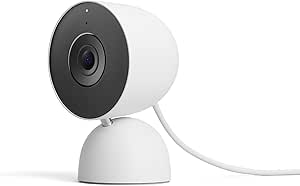
Google Nest Cam Indoor (Wired, 3rd Gen) – Security Camera – Snow

TCL 85-Inch QM6K Series QLED Mini LED 4K HDR Smart Google TV

Shark Navigator Robot Vacuum with Self-Empty Base, Dark Grey (RV2120AE)
As an affiliate, we earn on qualifying purchases.
Frequently Asked Questions
Do Electric Stoves Consume More Energy Than Gas Stoves?
You’ll find that electric stoves generally consume more energy than gas stoves, making them less energy-efficient. Although electric models can be cost-effective when considering maintenance, their higher energy use impacts your overall energy costs. When comparing, consider the cost comparison and efficiency; electric stoves often use more electricity, which can lead to higher bills. So, if energy efficiency is your priority, gas might be the better option.
Are Electric Cooktops More Durable Than Gas Ranges?
Electric cooktops tend to be more durable than gas ranges because they have fewer moving parts and are less prone to mechanical failures. Their durability comparison shows less wear and tear over time, making maintenance easier and less frequent. You’ll find that electric models generally require simpler maintenance requirements, such as cleaning the surface regularly, whereas gas ranges might need more attention to burners and ignition systems, impacting overall longevity.
How Does Electric Cooking Impact Indoor Air Quality?
Think of indoor air as a fragile butterfly; electric cooking helps protect it. When you cook with electricity, you avoid emitting pollutants like nitrogen dioxide and carbon monoxide that gas ranges release, improving indoor air quality. Good ventilation further clears out any residual particles, making your space safer. Overall, electric cooking creates a cleaner environment, reducing health risks linked to poor indoor air and enhancing your home’s ventilation quality.
Can Electric Ovens Handle High-Temperature Cooking Like Gas Ovens?
Yes, electric ovens can handle high-temperature cooking like gas ovens. They offer precise temperature control, allowing you to set exact heat levels for searing or roasting. While they might not heat up as quickly as gas stoves, electric ovens provide consistent heat, ensuring steady cooking speed. This makes them suitable for a variety of high-temperature recipes, giving you reliable results without the risks associated with gas flames.
Are Electric Cooktops Suitable for Professional Restaurant Kitchens?
Yes, electric cooktops are suitable for professional restaurant kitchens. They fit well within restaurant design, offering sleek, modern options that maximize space and efficiency. Plus, they enhance cost efficiency by reducing energy consumption and maintenance costs compared to gas. You’ll find them reliable for high-volume cooking, providing consistent heat control essential in a busy kitchen environment. With proper setup, electric cooktops can meet the demanding needs of a professional culinary setting.
Conclusion
So, next time you flick on that electric stove, imagine sparking a mini health revolution in your kitchen. Say goodbye to smoky fumes and hello to a cleaner, greener, and more wholesome cooking adventure. Who knew that switching to electric could turn your culinary chaos into a serene sanctuary? Embrace the silent, spark-free magic—your lungs will thank you, and maybe even your taste buds will throw a little party. It’s time to cook smarter, not harder.