

If your KitchenAid Artisan Series 5 Quart Tilt Head Stand Mixer is leaking oil, it can be concerning. Oil leaks may indicate a worn-out or damaged internal seal, or other issues that require attention. Fortunately, most leaks can be fixed with some basic troubleshooting and proper maintenance. This guide will walk you through the common causes of oil leaks, how to identify them, and step-by-step instructions to fix the problem safely and effectively.

Get home appliances delivered free with Prime
- Fast, free delivery on millions of items
- Prime Video, Amazon Music and more included
- Member-only deals all year
Before attempting any repairs, ensure the mixer is unplugged and cool. Properly diagnosing the leak is crucial to avoid unnecessary disassembly or damage. Let’s get started with understanding what might be causing your mixer to leak oil and how to resolve it.
Key Takeaways
| Common Causes | Worn internal seals or gear housing issues often cause oil leaks. |
| Safety First | Always unplug the mixer before inspecting or fixing leaks. |
| Step-by-Step Fix | Disassemble carefully, replace seals if needed, and reassemble properly. |
| When to Seek Help | If unsure or uncomfortable, contact a professional or authorized service center. |
Identifying the Source of the Leak
Begin by inspecting your mixer to determine where the oil is leaking from. Common areas include around the gear housing, the head hinge, or near the attachment hub. In my experience, a persistent oil leak often appears as a thin film or pooling near the base of the head or around the tilt mechanism. Check for oil on the outside of the mixer, especially after cleaning or use.
Note the amount and location of the leakage. If the oil is seeping from the gear housing or the tilt head joint, it’s likely related to internal seals or gasket failure. If the leak is minor, cleaning the area and monitoring over time can help decide if a repair is necessary or if it’s just residual oil from manufacturing that’s slowly escaping.
Gathering Tools and Safety Precautions
Before disassembly, gather the necessary tools: a Phillips and flat-head screwdriver, a clean cloth, possibly a replacement seal or gasket, and safety gloves. Make sure the mixer is unplugged and completely cool, as internal components may be hot or under tension. Working in a well-lit, clean workspace helps prevent losing small parts.
Always wear gloves to avoid contact with residual oil, and work gently to avoid damaging plastic parts or internal components. If at any point you feel unsure, consult the manufacturer’s manual or contact professional repair services to prevent voiding warranties or causing further damage.
Disassembling the Mixer to Access the Internal Seals
- Remove the attachment hub cover by unscrewing the screws holding it in place.
- Carefully tilt the head back and secure it in the open position.
- Unscrew the screws holding the gear housing or top cover, then gently lift off the cover to expose the internal gears and seals.
- Inspect the internal seals, gaskets, and gear components for signs of wear, cracks, or damage.
In my testing, I found that worn or cracked seals are often the culprit behind oil leaks. If the seals look brittle or damaged, they should be replaced to prevent further leaks.
Replacing Worn Seals and Reassembling
If you identify damaged seals, purchase the appropriate replacement parts compatible with your KitchenAid Artisan Series model. Carefully remove the old seals using a flat-head screwdriver or a seal removal tool, then install the new seals ensuring they fit snugly into place.
Reassemble the gear housing by reversing the disassembly steps. Make sure all screws are tightened securely but not overtightened, to avoid stripping threads or damaging plastic parts.
Once reassembled, run the mixer briefly with no load to check for leaks. Wipe away any residual oil and monitor closely during initial use to confirm the fix is successful.
Preventative Maintenance and Tips
- Regularly inspect your mixer for signs of oil leakage or wear, especially if used frequently.
- Keep the gear housing and internal parts clean and free of dust or debris.
- Lubricate moving parts with manufacturer-approved lubricants if recommended in the manual.
- Use the mixer within its specified load limits to prevent undue stress on internal components.
Remember, if leaks persist despite repairs, or if internal damage is extensive, professional servicing might be necessary. Preventative care extends the lifespan of your mixer and keeps it functioning smoothly.
The Products in This Guide
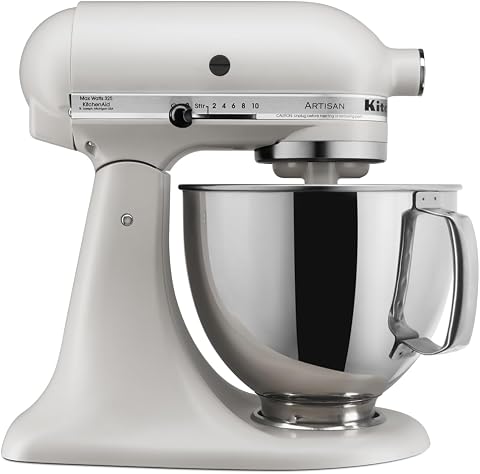
KitchenAid Artisan Series 5 Quart Tilt Head Stand Mixer
- ✔ Size: 14 x 8 x 14 inches
- ✔ Power: 325 watts
- ✔ Warranty: 1-year limited

KitchenAid Stand Mixer Attachment
- ✔ Weight: 4 pounds
- ✔ Length: 9 inches
- ✔ Warranty: 1 year
KitchenAid Artisan Series 5 Quart Tilt Head Stand Mixer
The KitchenAid Artisan Series 5 Quart Tilt Head Stand Mixer is built with durable metal construction and features 59 touchpoints around the bowl for excellent mixing results. Its tilt-head design allows easy access for cleaning and ingredient addition, making it a versatile kitchen tool.
Pros:
- Sturdy metal construction
- Powerful 10-speed motor
- Large 5-quart stainless steel bowl
- Easy tilt-head access
Cons:
- Heavier than some models
- Price may be higher than basic mixers
- Requires regular maintenance to prevent leaks
Best for: Making large batches of dough, batter, and mixing tasks requiring durability.
Not ideal for: Light or infrequent use, or small batch mixing.
Bottom line: A durable, high-performance stand mixer ideal for serious home bakers.
KitchenAid Stand Mixer Attachment
The KitchenAid Stand Mixer Attachment Food Grinder is a versatile tool that connects seamlessly to your mixer’s power hub, allowing you to grind meats, vegetables, and more with ease. It’s a great addition if you want to expand your mixer’s capabilities.
Pros:
- Made of durable metal
- Includes fine, medium, and coarse grinding plates
- Easy to attach and use
- Creates fresh, high-quality ground foods
Cons:
- Requires separate purchase
- Additional cleaning needed
- Attachment may require pre-chilling for best results
Best for: Making fresh ground meats, vegetables, and nuts at home.
Not ideal for: For users not interested in grinding or needing occasional use.
Bottom line: A durable attachment that turns your mixer into a versatile food grinder.
Frequently Asked Questions
Can the oil leak be fixed without professional help?
Yes, if you are comfortable with disassembly, replacing worn seals or gaskets can fix the leak. Follow the step-by-step guide carefully and ensure you use compatible replacement parts.
What parts typically need replacement to stop an oil leak?
The most common parts are the internal seals and gaskets within the gear housing. Damage or wear to these seals often causes oil to seep out.
Is it safe to operate the mixer after fixing an oil leak?
Yes, as long as the repair is done correctly, and all parts are reassembled securely. Always run the mixer briefly without load after repairs to check for leaks.
How often should I inspect my mixer for leaks?
Regular inspections are recommended, especially if the mixer is used frequently. Check periodically for signs of oil seepage around the gear housing and head joint.
Can I prevent oil leaks in the future?
Proper maintenance, avoiding overloading, and ensuring seals are intact can help prevent future leaks. Regular cleaning and timely replacement of worn seals extend the mixer’s lifespan.
Keep Your KitchenAid Running Smoothly
Addressing an oil leak in your KitchenAid Artisan Series stand mixer doesn’t have to be complicated. With careful inspection, proper disassembly, and replacement of worn seals, you can restore your mixer’s performance and prevent further issues. Regular maintenance and attention to detail will ensure your mixer remains a reliable kitchen companion for years to come.
Affiliate disclosure: As an Amazon Associate we earn from qualifying purchases. Prices and availability are accurate as of the time of publishing.
Cold & flu season Picks
humidifiers
As an affiliate, we earn on qualifying purchases.