

If your KitchenAid Artisan Series 5 Quart Tilt Head Stand Mixer is leaking oil, it can signal a mechanical issue that needs attention. While oil leaks are uncommon, understanding the causes and knowing how to fix them can extend your mixer’s lifespan and keep it running smoothly.

Get home appliances delivered free with Prime
- Fast, free delivery on millions of items
- Prime Video, Amazon Music and more included
- Member-only deals all year
This guide provides clear, practical steps to diagnose and repair oil leaks safely, ensuring your mixer stays in top condition for all your baking and mixing needs.
Key Takeaways
| Identify the leak | Check for oil around the base or inside the head of the mixer. |
| Potential causes | Worn or damaged seals, overfilled oil, or internal component failure. |
| Safety first | Always unplug before inspecting or repairing to prevent electrical hazards. |
| Regular maintenance | Keep the mixer clean and inspect seals periodically. |
Identify the Source of the Leak
- Unplug your mixer and move it to a clean, well-lit workspace.
- Remove the attachment and bowl for better inspection.
- Check the area around the motor head, gear housing, and base for oil residue.
- Note if the oil appears to be coming from the gear housing or a seal around the motor shaft.
Check the Internal Seals and Gears
Most leaks originate from worn or damaged seals, especially around the gear housing or the motor shaft.
- Remove the tilt-head locking mechanism and the top cover of the mixer head.
- Carefully inspect the seals and gaskets for cracks, tears, or signs of wear.
- Look for oil accumulation around the gear assembly, indicating a seal failure.
Address the Seal or Gasket Failure
- If seals are damaged, order replacement parts specific to your model (ASIN: B0769ZQWH7).
- Follow the manufacturer’s instructions for replacing seals or gaskets, ensuring proper fit and alignment.
- Reassemble the mixer, making sure all screws and clips are securely fastened.
Prevent Future Leaks
- Do not overfill the gear oil reservoir—use only the recommended amount.
- Perform regular inspections for signs of wear or leaks.
- Keep the mixer clean and dry, especially around seals and moving parts.
Safety Tips & Final Checks
Always unplug the mixer before any inspection or repair to avoid electrical shock or injury.
After reassembling, run the mixer at low speed for a few minutes to check for leaks. If the leak persists, consult a professional technician or contact KitchenAid customer support.
The Products in This Guide
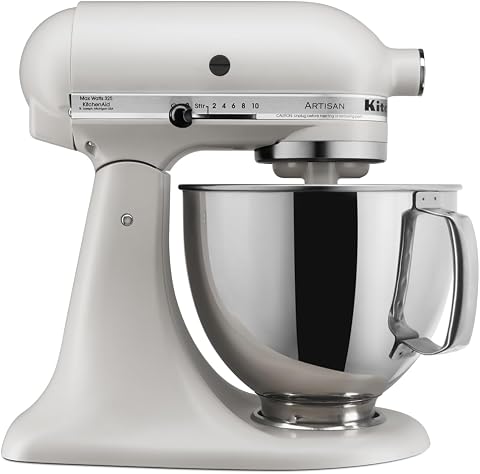
KitchenAid Artisan Series 5 Quart Tilt Head Stand Mixer
- ✔ Weight: 26 pounds
- ✔ Width: 8 inches
- ✔ Height: 14 inches

KitchenAid Stand Mixer Attachment
- ✔ Weight: 4 pounds
- ✔ Dimensions: 10 x 8 x 6 inches
- ✔ Color: Metal finish
KitchenAid Artisan Series 5 Quart Tilt Head Stand Mixer
The KitchenAid Artisan Series 5 Quart Tilt Head Stand Mixer is built to last, featuring a metal construction and 59 touchpoints for excellent mixing. If it leaks oil, it’s likely due to seal issues, which can often be fixed with replacement parts and careful reassembly.
Pros:
- Robust metal build
- Easy to access for maintenance
- Powerful 10-speed motor
- Large capacity bowl
Cons:
- Oil leaks are rare but can be confusing
- Requires careful disassembly for repairs
- Seals may need periodic replacement
Best for: Home bakers and cooks needing a reliable, high-capacity mixer
Not ideal for: If frequent repairs are needed, consider a professional service or newer model
Bottom line: A durable, versatile mixer that benefits from regular maintenance and prompt repairs.
KitchenAid Stand Mixer Attachment
The KitchenAid Stand Mixer Attachment Food Grinder expands your mixer’s capabilities, allowing you to grind meat, nuts, and more with ease. It’s a helpful attachment if you want to minimize internal repairs by keeping your mixer in top shape.
Pros:
- Versatile food processing
- Sturdy metal construction
- Multiple grinding plates
- Easy to attach and clean
Cons:
- Additional cost
- Requires extra storage space
- Needs separate power hub connection
Best for: Home cooks wanting fresh ground ingredients
Not ideal for: If you don’t frequently grind food, this may be unnecessary
Bottom line: A durable, versatile attachment for fresh, homemade ground foods.
Frequently Asked Questions
Can oil leaks damage my KitchenAid mixer?
Yes, prolonged oil leaks can cause internal component damage and reduce the lifespan of your mixer. Addressing leaks promptly helps maintain performance.
Is it safe to repair the mixer myself?
If you have basic mechanical skills and follow safety precautions, you can replace seals and perform minor repairs. Otherwise, consult a professional.
How often should I check for leaks?
Inspect your mixer every few months, especially if you notice unusual noises or performance issues, to catch leaks early.
Where can I find replacement seals?
Replacement seals are available through KitchenAid parts suppliers or authorized service centers, often matching your model ASIN: B0769ZQWH7.
Keep Your KitchenAid Running Smoothly
By understanding the common causes of oil leaks and following these safe, step-by-step troubleshooting tips, you can extend the life of your KitchenAid Artisan stand mixer. Regular inspection and prompt repairs ensure your mixer continues to deliver excellent results for years to come.
Affiliate disclosure: As an Amazon Associate we earn from qualifying purchases. Prices and availability are accurate as of the time of publishing.
Halloween Picks

DomKom 6 ft Halloween Inflatable Ghosts Roasting Marshmallows

Kalolary 12ft Halloween Witch Haunted House Inflatable Archway

27FT Giant Inflatable Pumpkin Lighted Outdoor Halloween Decor
As an affiliate, we earn on qualifying purchases.