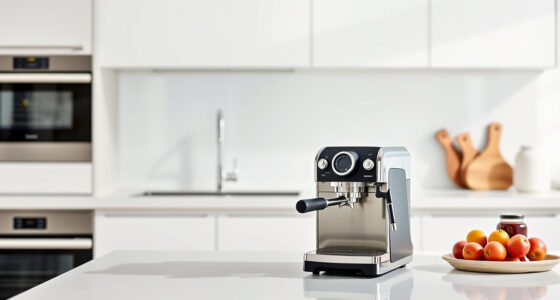
Maintaining your De’Longhi espresso machine is essential for ensuring optimal performance, longevity, and delicious coffee. Regular cleaning and proper troubleshooting can prevent common issues like poor extraction, scale buildup, or inconsistent steam. This guide provides practical, safe, step-by-step instructions to help you keep your machine in top shape, whether you’re a beginner or a seasoned user.

Get home appliances delivered free with Prime
- Fast, free delivery on millions of items
- Prime Video, Amazon Music and more included
- Member-only deals all year
We’ll cover routine cleaning, descaling, filter replacement, and troubleshooting tips, all grounded in the specific features of the De’Longhi Magnifica Evo Next Fully Automatic Espresso Machine. Following these steps will help you enjoy rich, flavorful coffee at home without the hassle of unnecessary repairs.
Key Takeaways
| Routine Cleaning | Regularly clean removable parts and wipe the machine exterior. |
| Descaling Importance | Descale every 2-3 months to prevent limescale buildup. |
| Water Quality | Use filtered water and replace water filters regularly. |
| Troubleshooting Tips | Address common issues like poor extraction or steam problems promptly. |
Preparing for Maintenance
- Turn off and unplug your De’Longhi espresso machine before performing any maintenance to ensure safety.
- Remove all removable parts, including the drip tray, water tank, and brew unit, if applicable.
- Wash removable parts with warm water and mild detergent. Avoid abrasive cleaners that could damage surfaces.
- Inspect the machine for any visible buildup or residue, particularly around the brew group and steam wand.
Cleaning the Brew Group and Drip Tray
- Remove the brew unit carefully following the manufacturer’s instructions.
- Rinse the brew unit under warm water to remove coffee residues and oils. Do not use soap unless specified, to avoid affecting taste.
- Clean the drip tray and waste container, then dry thoroughly before reassembling.
- Replace the brew unit securely and ensure it clicks into place.
Descaling Your De’Longhi Espresso Machine
Descaling is crucial to prevent limescale buildup, which can impair performance and taste. Use a descaling solution compatible with De’Longhi machines, such as the EcoDecalk Descaler.
- Fill the water tank with a mixture of equal parts water and descaling solution.
- Place a large container under the coffee outlet and steam wand.
- Follow the machine’s descaling cycle, which typically involves activating the descaling mode via the menu or control panel.
- Once complete, rinse the water tank and run plain water through the system to flush out any remaining descaler.
Repeat every 2-3 months or as recommended based on your water hardness.
Replacing the Water Filter
A water filter can improve water quality and prolong your machine’s life. If your model uses the De’Longhi Replacement Water Filter (asin=B00CXQ9GQ8), replace it every 2 months or as indicated by the filter’s timer.
- Remove the old filter from the water tank.
- Rinse the new filter thoroughly before installation.
- Insert the filter into the designated slot and secure it properly.
- Refill the water tank and run a few brewing cycles without coffee to flush the system.
Troubleshooting Common Issues
- Poor Coffee Extraction: Check the grinder settings and ensure the coffee grounds are fresh and properly tamped. Clean the brew group if clogged.
- No Steam or Weak Steam: Descale the machine if mineral buildup is suspected. Also, verify the steam wand for blockages and clear any obstructions.
- Leakage or Dripping: Inspect seals and gaskets for wear or damage. Replace if necessary to prevent leaks.
- Machine Not Turning On: Ensure the power cord is connected and the outlet is working. Reset the machine if applicable.
The Products in This Guide
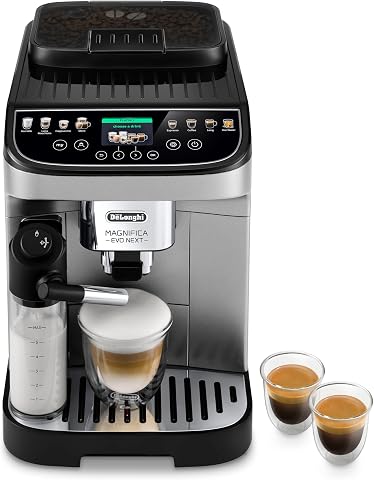
De’Longhi Magnifica Evo Next Fully Automatic Espresso Ma
- ✔ Water Filter: Optional, improves water quality
- ✔ Material: Sturdy plastic and metal components
- ✔ Color Options: Sleek black finish

De’Longhi Replacement Water Filter
- ✔ Filter Life: 2 months
- ✔ Material: Activated carbon
- ✔ Compatibility: Certain De’Longhi models
De’Longhi Magnifica Evo Next Fully Automatic Espresso Ma
The De’Longhi Magnifica Evo Next Fully Automatic Espresso Machine offers a comprehensive solution for coffee lovers. It features 13 one-touch recipes, a built-in grinder with 13 settings, and the LatteCrema Hot System for textured milk. Its user-friendly interface makes maintenance straightforward, ensuring consistent quality with minimal effort.
Pros:
- Versatile drink options
- Built-in grinder for freshness
- Automatic milk frothing
- Programmable settings
Cons:
- Can be complex for complete beginners
- Requires regular descaling
- Higher price point
Best for: Home baristas seeking convenience and quality
Not ideal for: Users preferring manual control or compact size
Bottom line: A versatile, high-performing espresso machine ideal for everyday gourmet coffee.
De’Longhi Replacement Water Filter
Using the De’Longhi Replacement Water Filter ensures your machine operates efficiently and produces better-tasting coffee by reducing mineral deposits. It’s an easy upgrade that complements regular maintenance routines.
Pros:
- Improves water quality
- Easy to install
- Extends machine lifespan
- Reduces descaling frequency
Cons:
- Requires replacement every 2 months
- Additional cost
Best for: Maintaining optimal water quality and machine performance
Not ideal for: If you prefer using tap water without filtration
Bottom line: A simple step to improve water quality and extend your espresso machine’s life.
Frequently Asked Questions
How often should I descale my De’Longhi espresso machine?
It’s recommended to descale every 2-3 months, depending on your water hardness and usage frequency.
Can I use regular tap water for my espresso machine?
Yes, but using filtered water and replacing the water filter regularly can improve taste and reduce mineral buildup.
What should I do if my machine is leaking?
Check for worn or damaged seals and gaskets, and replace them if necessary. Ensure all parts are assembled correctly.
My coffee is weak or under-extracted, what can I do?
Adjust the grind size to a finer setting, tamp the coffee grounds more firmly, and clean the brew group to remove any blockages.
How do I clean the milk frother?
Wipe the frother with a damp cloth after each use and run a steam cycle with water to prevent milk residue buildup.
Keep Your Coffee Perfect with Proper Maintenance
Regular maintenance of your De’Longhi espresso machine ensures it continues to produce high-quality coffee and lasts for years to come. Follow the cleaning, descaling, and troubleshooting tips outlined here for optimal performance. Remember, a well-maintained machine not only delivers better-tasting espresso but also saves you money on repairs and replacements in the long run.
By staying proactive with your maintenance routine, you can enjoy barista-quality coffee at home every day, hassle-free.
Affiliate disclosure: As an Amazon Associate we earn from qualifying purchases. Prices and availability are accurate as of the time of publishing.
Halloween Picks
halloween
As an affiliate, we earn on qualifying purchases.