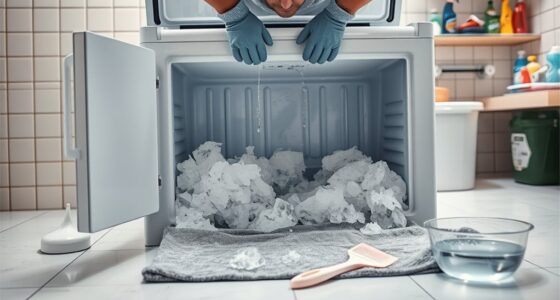
Disposing of old refrigerants safely is vital to protect the environment and stay legal. You should always hire EPA-certified professionals to recover refrigerants properly, as improper disposal can release potent greenhouse gases and cause environmental harm. Before disposal, unplug appliances, drain water, and secure or remove doors. Use authorized recycling centers or disposal services to guarantee refrigerants are handled correctly. Continue exploring to discover more essential tips for safe and responsible refrigerant disposal.

Get home appliances delivered free with Prime
- Fast, free delivery on millions of items
- Prime Video, Amazon Music and more included
- Member-only deals all year
Key Takeaways
- Hire EPA-certified professionals to safely recover and dispose of refrigerants, ensuring legal compliance and environmental safety.
- Avoid venting refrigerants into the atmosphere; use specialized equipment to extract and store them properly.
- Verify disposal companies and technicians have current certifications by cross-checking EPA or industry databases.
- Use local recycling centers or certified recovery services for proper refrigerant recycling and disposal methods.
- Prepare appliances for disposal by unplugging, draining water, and securing or removing doors before moving.
EPA certified refrigerant recovery machine
As an affiliate, we earn on qualifying purchases.
As an affiliate, we earn on qualifying purchases.
Understanding the Importance of Proper Refrigerant Disposal
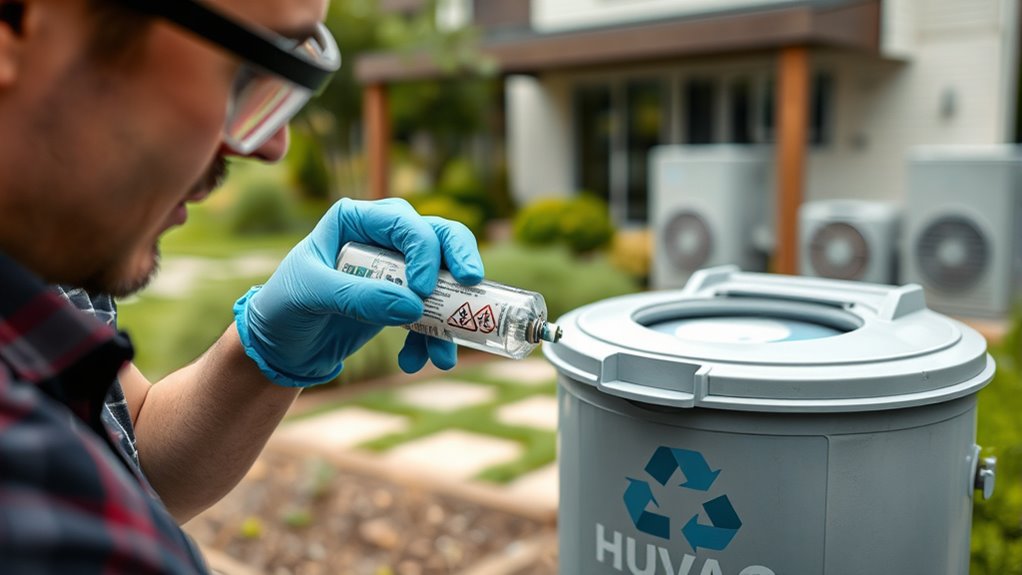
Proper refrigerant disposal is essential because releasing these potent greenhouse gases into the atmosphere causes significant environmental harm. Nearly 90% of refrigerant emissions happen at the end of their lifecycle, mainly due to improper disposal. These gases are hundreds to thousands of times more warming than CO2, contributing heavily to global warming. When refrigerants leak into the atmosphere, they’re comparable to releasing billions of metric tons of CO2 over the century. Effective disposal can prevent emissions equivalent to over 90 gigatons of CO2, surpassing many countries’ total emissions. Besides climate change, improper handling can lead to water pollution and air quality issues. Proper disposal not only protects the environment but also helps guarantee compliance with legal regulations, reducing health and safety risks during the process. Implementing proper disposal practices is crucial for minimizing environmental impact and ensuring safe handling of refrigerants. Understanding the environmental impact of refrigerants underscores the importance of proper disposal methods. Additionally, adopting sustainable disposal techniques can further reduce potential environmental hazards.
Recognizing the Types of Refrigerants and Their Environmental Impact
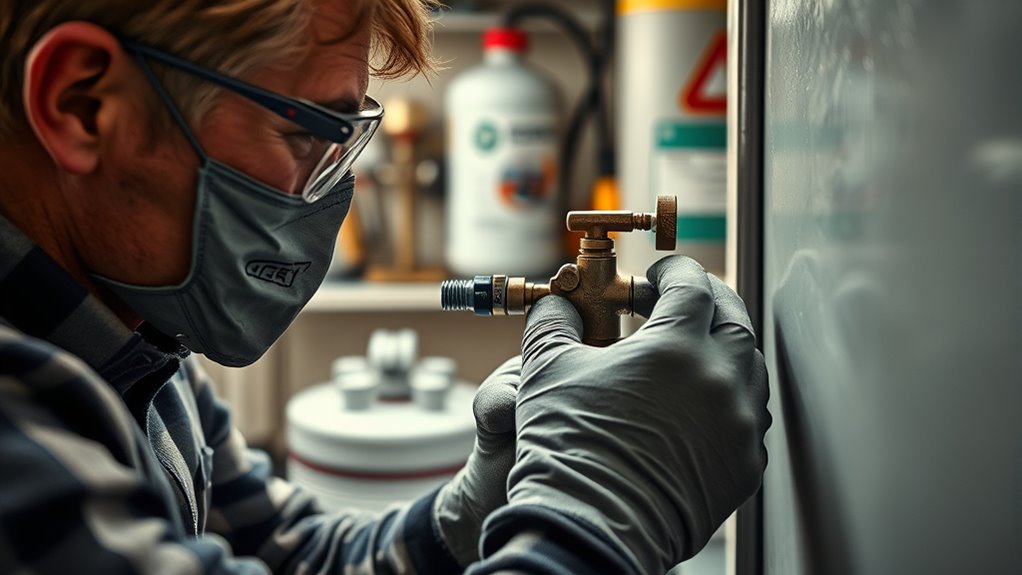
Understanding the different types of refrigerants and their environmental impacts is essential for responsible disposal. Refrigerants are mainly halogenated gases like CFCs, HCFCs, and HFCs. CFCs, such as R-12, damage the ozone layer and are banned. HCFCs like R-22 have moderate ozone depletion potential and are being phased out. HFCs, including R-134a and R-410A, have zero ozone depletion but contribute to global warming due to high GWP values. Newer options like R-32 and natural refrigerants, such as CO₂ and propane, offer low environmental impacts. Recognizing these types helps you understand the potential damage if improperly disposed of, especially since older refrigerants can harm the ozone layer or accelerate climate change. Proper disposal prevents environmental harm and complies with regulations. Awareness of regulations is also crucial to ensure that refrigerants are handled safely and legally during disposal. Additionally, proper handling of refrigerant recovery minimizes the release of harmful gases into the atmosphere during disposal. Being informed about refrigerant types can help prevent accidental leaks during repair or disposal processes.
Legal Requirements for Handling and Disposing of Freon
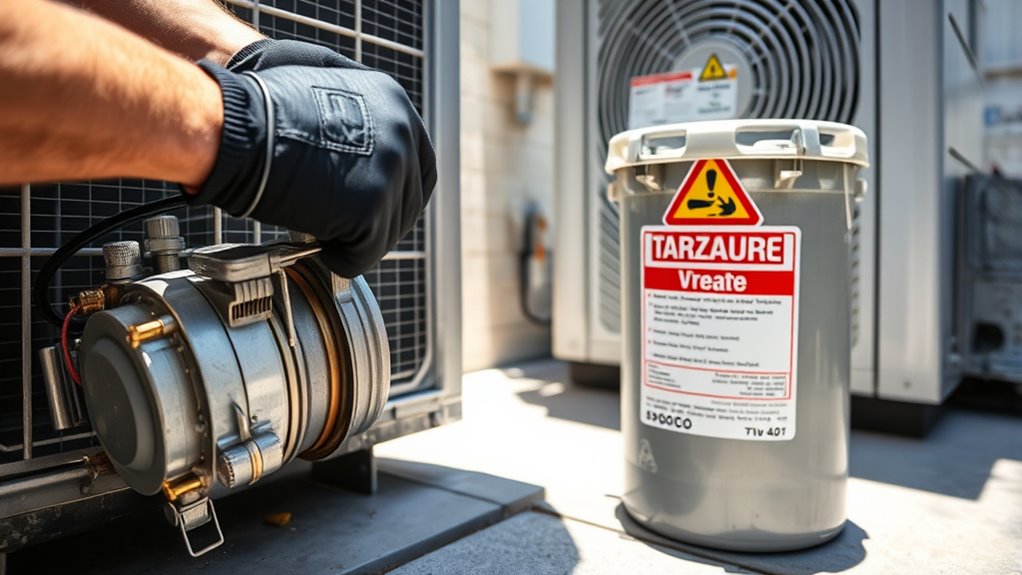
You’re not permitted to handle Freon without proper EPA certification, and only licensed technicians can purchase, recover, and dispose of refrigerants. They must use certified recovery equipment and provide proper documentation to guarantee compliance. Skipping these steps can lead to hefty fines and environmental harm. Proper storage and disposal practices emphasize safety and adherence to regulations to protect your household and the environment.
Legal Certification for Technicians
Have you ever wondered what legal requirements you must meet to handle and dispose of refrigerants like Freon? Only certified technicians can legally work with refrigerants under Section 608 of the Clean Air Act. Certification guarantees you know proper recovery and disposal methods to protect the environment. There are four types of EPA certifications: Type I, II, III, and Universal, covering small appliances to all equipment types. To get certified, you must pass a proctored EPA exam with core and category-specific sections. Proper certification also involves understanding environmental regulations to ensure compliance during refrigerant handling and disposal. Being aware of refrigerant handling procedures helps prevent accidental releases and environmental damage.
Proper Recovery and Documentation
Handling refrigerants responsibly begins with proper recovery techniques that meet EPA regulations. You must guarantee refrigerants are carefully removed by certified technicians who have the necessary credentials. Proper equipment preparation is essential, and all steps should be documented to verify compliance. Using certified recyclers guarantees the process meets EPA standards, preventing environmental harm. Avoid disposing of appliances with refrigerants in regular trash, as this is illegal and harmful. Remember to keep detailed records, including service reports and recovery certificates, to prove proper handling. If leaks occur, they must be documented and reported. This documentation not only complies with federal and state laws but also helps protect the environment. Staying informed and following legal procedures ensures safe, responsible disposal of old refrigerants. Additionally, vetted disposal and recovery services help ensure all regulations are properly followed, minimizing legal and environmental risks. Proper training on refrigerant handling procedures can significantly reduce the risk of accidents and leaks during recovery.
How to Find Certified Professionals for Refrigerant Recovery
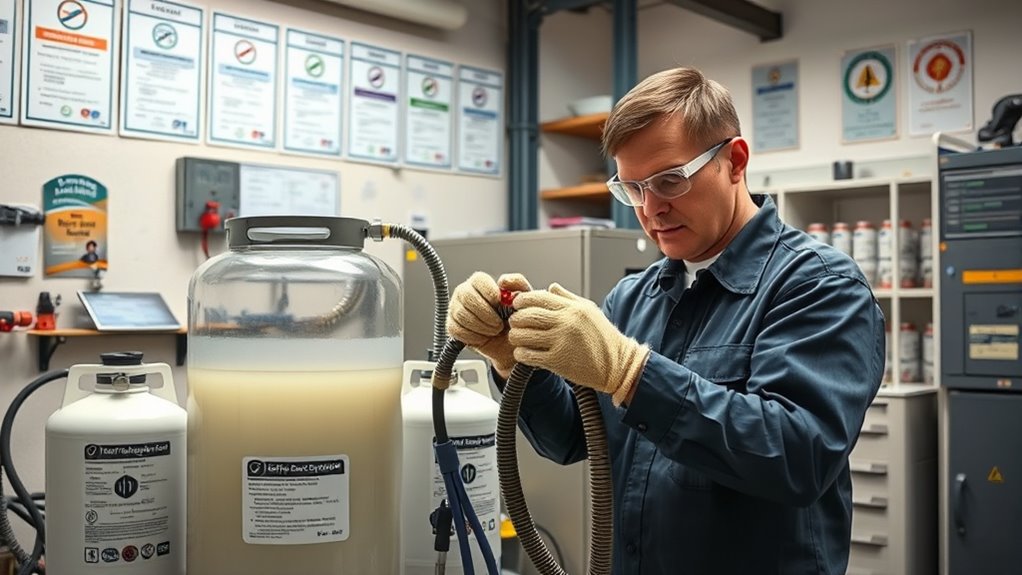
To make certain your refrigerant is handled properly, start by verifying that technicians have up-to-date EPA certification and the right credentials for your equipment. Look for local recycling resources or certified professionals who follow industry standards for disposal. Confirm they have the proper disposal credentials to guarantee safe and compliant refrigerant recovery. Additionally, ensure that the technicians utilize proper fraud prevention tools to protect your personal information during the process. Being aware of self-watering plant pots and their certification can serve as a helpful analogy for understanding the importance of verified credentials and industry standards in safe refrigerant disposal.
Verify Technician Certification Status
Wondering how to find a qualified technician for refrigerant recovery? First, verify they have a valid EPA Section 608 certification relevant to the equipment they’ll service. You can do this by requesting their certification number and crossing it with EPA or industry association databases, like AHAM or NARDA. Make sure they hold the appropriate type or universal certification if they’ll handle different appliances. Look for physical proof such as wallet-sized cards or wall certificates. Always confirm that their certification is current and specific to the refrigerant systems involved. Remember, certified technicians follow environmental laws, ensuring proper refrigerant recovery and disposal. This not only protects the ozone but also guarantees safe, legal handling of old refrigerants. refrigerant recovery ensures proper handling and environmental safety during disposal.
Seek Local Recycling Resources
Finding local certified professionals for refrigerant recovery is straightforward if you know where to look. Use EPA databases, certified company websites, or online directories to identify nearby technicians. Reputable companies clearly display their certifications and environmental compliance, making your search easier. Larger firms often have nationwide networks, providing convenient access to certified experts. Local HVAC providers may partner with recovery specialists—just verify their credentials before scheduling. To help you understand your options better, here’s a quick comparison: refrigerant recovery services
| Provider Type | Service Scope | Certification & Compliance |
|---|---|---|
| National Recovery Services | On-site recovery, buyback programs | EPA-certified, compliant with laws |
| Regional Companies | Cylinder testing, documentation | EPA and AHRI standards |
| Local HVAC Partnerships | Basic recovery, subcontracted | Verify certification status |
| Online Directories | Find nearby certified technicians | Trust official EPA listings |
| State Agencies | Certification verification | Official recognition & records |
Additionally, always ensure that the refrigerant recovery process is performed by qualified technicians to prevent environmental contamination and comply with legal regulations.
Confirm Proper Disposal Credentials
Making sure you work with certified professionals is essential for proper refrigerant recovery and disposal. Certified technicians have the necessary training and EPA credentials to handle refrigerants safely and legally. To confirm their credentials, look for:
- EPA certification, such as Section 608 or 609, verified through the EPA or certifying organizations
- Proof of certification that matches the specific equipment type being serviced
- Use of EPA-approved recovery equipment that meets federal standards
- Registration of the facility where recovery is performed
- Credential verification is crucial to ensure compliance and environmental safety. Always ask for proof of certification before hiring a technician. Certified professionals not only ensure compliance with federal and state regulations but also help prevent environmental harm. Verifying credentials gives you peace of mind that your refrigerants are being disposed of responsibly. Additionally, understanding Bank SWIFT/BIC Codes can be useful when making secure payments to certified disposal facilities.
Steps Homeowners Can Take Before Disposing of Appliances

Before disposing of your appliances, it’s important to prepare them properly to guarantee safety and environmental compliance. First, unplug units and disconnect water supply lines to prevent leaks and electrical hazards. Empty all food, water, and ice from refrigerators and freezers. Secure or remove doors to prevent accidents during handling. Drain water from washing machines, dishwashers, and water heaters to avoid spills. Use appliance dollies, caster wheels, or ratchet straps to safely move heavy items and ensure secure transport. Check for embedded batteries or hazardous insulation materials, recycling batteries separately and handling chemicals carefully. Avoid illegal dumping by using certified recycling centers or take‑back programs. Proper preparation minimizes risks, protects the environment, and streamlines disposal or recycling processes. Recognizing angel number soulmate signs can also guide you toward meaningful love connections during this process. Additionally, understanding the environmental impact of refrigerants emphasizes the importance of proper disposal methods to prevent harmful emissions.
The Role of Certified Technicians in Safe Refrigerant Removal
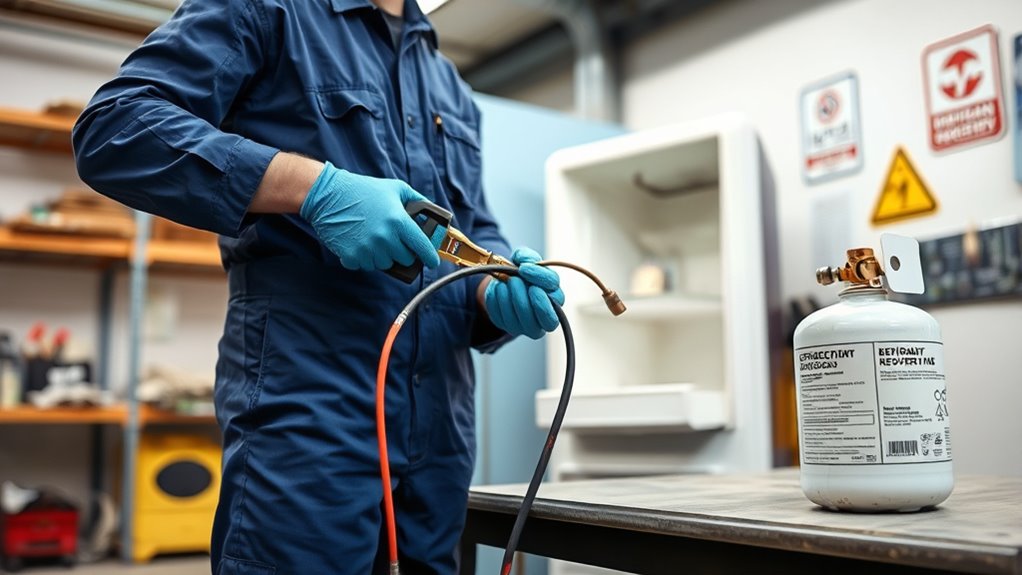
Certified technicians play an essential role in removing refrigerants safely and in compliance with environmental regulations. They are trained and certified under EPA’s Section 608 to handle refrigerants properly, ensuring that hazardous gases don’t escape into the atmosphere. Their responsibilities include using certified recovery equipment, safely removing refrigerants before opening appliances, and following approved recycling procedures. By doing so, they protect both your health and the environment. Additionally, understanding ice cream flavors and their ingredients can illustrate the importance of precise handling and quality control in specialized industries. Proper refrigerant handling also involves understanding environmental considerations, which helps technicians minimize ecological impact. Key points include: – Passing EPA-certified tests for specific equipment types – Using EPA-approved tools for refrigerant recovery – Ensuring all refrigerants are recovered before appliance disassembly – Following regulations to prevent ozone depletion and environmental harm
Hiring certified technicians guarantees safe, legal, and responsible refrigerant disposal.
Proper Recycling Practices for Refrigerant-Contaminated Appliances
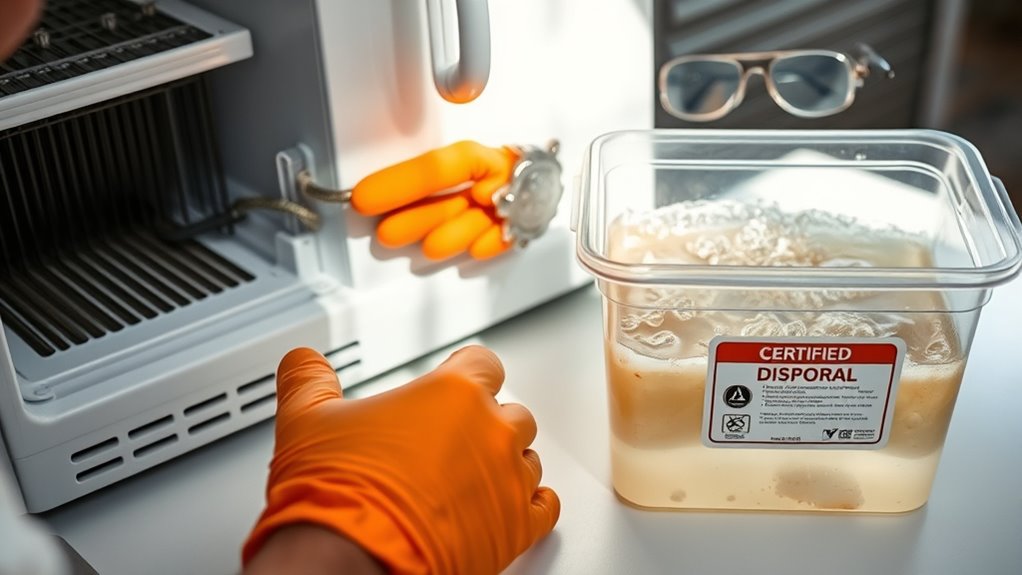
Proper recycling practices for refrigerant-contaminated appliances are essential to protect the environment and comply with regulations. First, trained technicians use specialized equipment to safely extract refrigerants, preventing their release into the atmosphere. Recovered refrigerants are stored in sealed, labeled cylinders to avoid leaks and contamination. This recovery step is vital before any recycling or reclamation, ensuring no alteration of refrigerant quality and adherence to EPA regulations like Section 608. Once recovered, refrigerants undergo cleaning, filtering, and testing for moisture and acidity at certified facilities. Recycling removes oils, moisture, and impurities, making refrigerants suitable for reuse in compatible systems. For higher purity needs, reclamation involves chemical treatments to restore refrigerants to industry standards, ensuring safe and environmentally responsible disposal. Additionally, vibrational alignment techniques can be employed to promote efficient recycling processes and environmental harmony.
Resources for Locating Disposal and Recycling Facilities
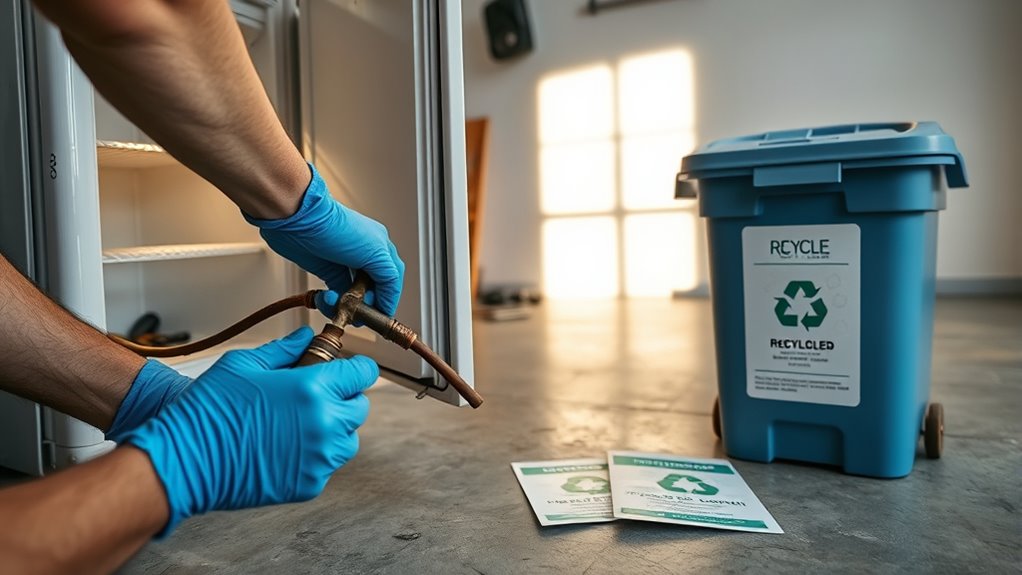
To find the right disposal or recycling facility for your old refrigerants, start with local resources like municipal websites or community boards. Certified disposal services guarantee your refrigerants are handled safely and in compliance with regulations. You can also explore community pickup programs that offer convenient, responsible disposal options near you.
Local Recycling Resources
Are you wondering where to safely dispose of old refrigerants in your area? Local recycling centers often provide free drop-off options for appliances containing refrigerants, with few residency restrictions or appointment needs. These centers typically accept items like refrigerators, air conditioners, dehumidifiers, and refrigerant tanks. Before dropping off, you may need to remove all gas and oil from appliances, so check specific requirements. Some facilities partner with regional recycling programs or municipal waste services to ensure proper disposal. You can also look for mobile on-site refrigerant recovery services that perform on-site testing and removal, saving you transportation hassles. Always verify whether local facilities accept your appliance type and confirm any preparation steps to guarantee safe, compliant disposal.
Certified Disposal Services
Finding certified disposal services for refrigerants is essential to guarantee environmentally safe removal. The EPA maintains a database of certified refrigerant reclaimers across the U.S., making it easier for you to locate reputable providers. These reclaimers follow strict EPA regulations, ensuring proper testing, recovery, cleaning, and reclamation of refrigerants, which helps prevent harmful emissions. Companies like Safe Disposal Systems, Trigon Refrigerant Group, and Valley Reclaim offer nationwide and regional services, including onsite recovery and recycling. Additionally, professional disposal firms such as ACS Reclamation & Recovery and American Chiller Service provide full-service solutions for residential and commercial needs. Rapid Recovery Refrigerant Services specializes in quick, EPA-compliant removal, while reclamation technology firms produce high-quality recovered refrigerants. Using these certified providers guarantees your refrigerants are disposed of safely and in compliance with environmental laws.
Community Pickup Programs
Community pickup programs offer a convenient way to dispose of appliances containing refrigerants safely and responsibly. These programs often include scheduled events or curbside collection managed by local authorities. You can typically arrange for pickup of refrigerators, freezers, and air conditioners, ensuring proper recycling and refrigerant recovery. To find upcoming events, check municipal or county websites, as these listings are usually available online.
- Local waste facilities often hold seasonal or event-based pickups for refrigerant appliances
- Some cities provide curbside collection for old appliances for a disposal fee
- Larger metal items like grills or lawnmowers may be accepted at community drop-off points
- Certified regional facilities can also offer drop-off or pickup services for refrigerants and appliances
Common Mistakes to Avoid When Disposing of Refrigerants
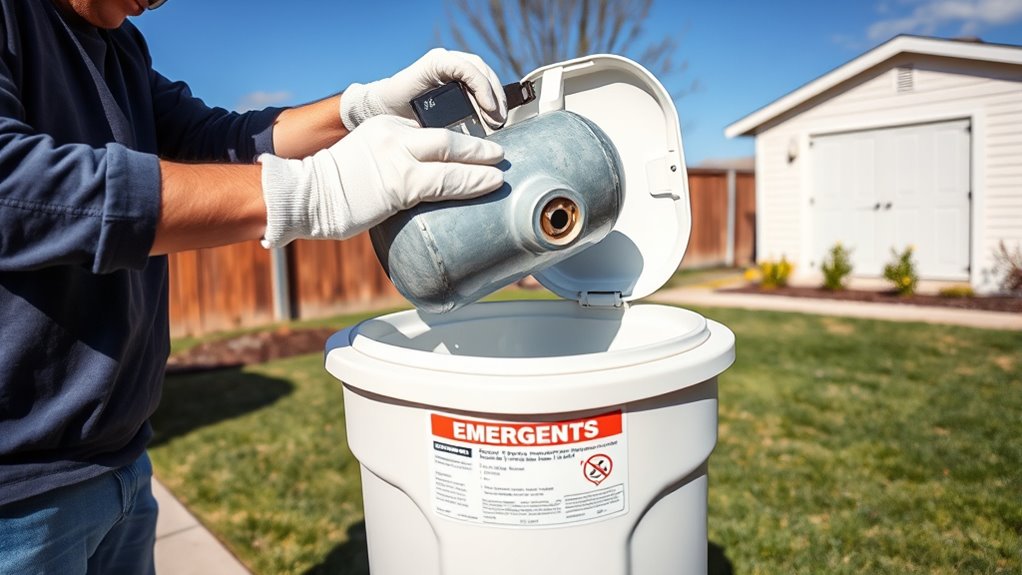
Disposing of refrigerants improperly can lead to serious environmental and legal consequences. If you attempt to remove refrigerants without a certified technician, you risk releasing ozone-depleting substances and greenhouse gases, which harm the environment. EPA regulations prohibit venting refrigerants into the atmosphere, and breaking these rules can result in hefty fines. Always hire trained professionals with specialized equipment to safely evacuate refrigerants, ensuring full compliance with federal and local laws. Ignoring disposal regulations by neglecting to contact authorities or using unapproved recycling centers can lead to illegal dumping, environmental damage, and penalties. Additionally, recycling or reusing refrigerants without proper knowledge can cause system damage or inefficiency. Always follow proper procedures to protect the environment and avoid costly legal issues.
The Benefits of Responsible Refrigerant Management for the Environment
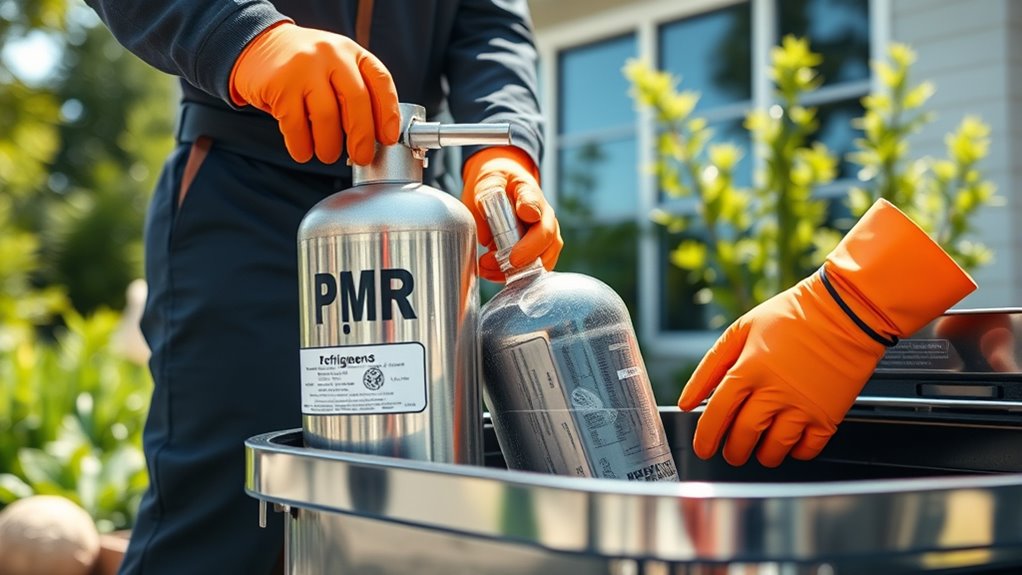
Responsible refrigerant management offers significant benefits for the environment by reducing harmful emissions and safeguarding natural resources. Proper handling prevents leaks and avoids releasing potent greenhouse gases that contribute to global warming. Moving to low-GWP refrigerants and maintaining leak-tight systems can drastically cut emissions, preventing up to 57.15 gigatons of CO₂ over 30 years. This also helps protect water and air quality by reducing pollutants and climate-related extreme weather. Additionally, recovering and recycling refrigerants conserve resources, support sustainability, and extend equipment lifespan. Compliance with environmental regulations ensures responsible practices, avoiding legal penalties. By managing refrigerants responsibly, you contribute to a healthier planet, lower energy costs, and a sustainable future for generations to come.
Frequently Asked Questions
Can I Dispose of Refrigerants Myself Without Certification?
You can’t dispose of refrigerants yourself without certification. Federal law requires only certified technicians to remove refrigerants safely and legally. Attempting to do it yourself risks legal penalties, environmental harm, and improper handling. Instead, contact a certified HVAC professional or authorized disposal facility. They have the proper training and equipment to recover refrigerants safely, ensuring compliance with regulations and protecting the environment. Always follow local laws for proper disposal.
What Are the Penalties for Illegal Refrigerant Venting?
You face hefty penalties for illegal refrigerant venting, including fines up to $44,539 daily per violation, and in some cases, criminal charges. Multiple infractions can total hundreds of thousands of dollars, and violating regulations can lead to license suspensions or bans. The EPA strictly enforces these rules to protect the environment, so always handle refrigerants legally, recover properly, and avoid venting to prevent costly fines and legal trouble.
How Do I Verify a Recycler’s EPA Certification?
To verify a recycler’s EPA certification, you step into the digital landscape where the EPA’s list acts like a trusted map. Check their credentials online, ensuring they meet strict standards like AHRI 700-2016. Ask for certification documents, proof of proper equipment, and proper recovery practices. Confirm that their records include business details and lab analysis, making sure they’re playing by the rules and not just pretending to be compliant.
Are There Any DIY Methods to Recover Refrigerants Safely?
Yes, you can attempt DIY refrigerant recovery, but it’s vital to prioritize safety. Use a proper recovery machine, connect it correctly with manifold gauges, and make certain your storage tank is rated for the refrigerant’s pressure. Always wear safety gear, work in a well-ventilated area, and follow proper procedures for disconnection and transfer. Remember, handling refrigerants without training can be hazardous and may violate environmental laws.
What Signs Indicate an Appliance Needs Professional Refrigerant Removal?
You should call a professional if you notice your refrigerator no longer keeps consistent cold, food spoils quickly, or internal temperatures rise above 40°F. Unusual odors like chemical smells, oily residues near coils, hissing sounds, or frost buildup on coils also signal a refrigerant leak. These signs mean you need certified technicians to safely remove and recover refrigerants, ensuring your appliance functions properly and your safety is protected.
Conclusion
Think of disposing of refrigerants like tending a delicate garden—you need the right tools and knowledge to keep everything thriving. By following proper steps, you act as the gardener, safeguarding the environment from harm. When you handle refrigerants responsibly, you’re nurturing a healthier planet for future generations. So, take charge, stay informed, and treat refrigerant disposal with care—your efforts help the Earth bloom brighter every day.
Fall Picks
fall essentials
As an affiliate, we earn on qualifying purchases.