
If your Dyson V15 Detect™ Origin Cordless Vacuum isn’t maintaining suction, it could be due to blockages, dirty filters, or a clogged brush bar. Proper troubleshooting can restore its power and keep your home clean.

Get home appliances delivered free with Prime
- Fast, free delivery on millions of items
- Prime Video, Amazon Music and more included
- Member-only deals all year
This guide provides practical, safe, and detailed steps to diagnose and fix common suction issues in your Dyson cordless vacuum.
Key Takeaways
| Check for blockages | Blockages in wand or hose reduce suction. |
| Clean filters | Dirty filters impair airflow and performance. |
| Inspect the brush bar | Hair or debris tangled around the brush can hinder cleaning. |
| Ensure proper assembly | Incorrectly assembled parts can cause suction loss. |
| Replace worn filters | Old filters compromise vacuum efficiency. |
Step 1: Power Off and Unplug
Before troubleshooting, ensure the vacuum is turned off and disconnected from any charging dock or power source to prevent accidents.
Step 2: Check for Blockages
- Remove the wand or cleaner head from the vacuum body.
- Inspect the wand, hose, and cleaner head for debris or obstructions.
- Clear any blockages using a long, slender object or the crevice tool.
- Reassemble the parts securely.
Step 3: Clean or Replace Filters
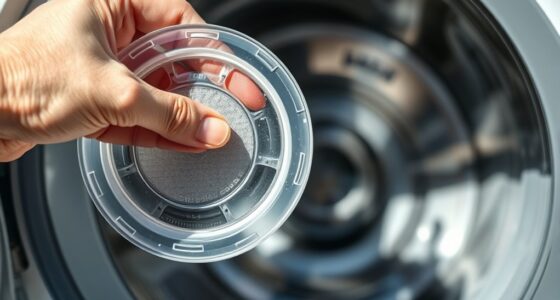
Dirty filters can significantly reduce suction. Remove the pre-filter and main filter as per the user manual.
Wash the filters with water, wring out excess water, and let them air dry completely before reinserting. Replace filters if they are damaged or excessively dirty.
Step 4: Inspect the Brush Bar
- Turn the vacuum over to access the digital Motorbar or other brush head.
- Remove hair, string, or debris tangled around the brush bar.
- Use scissors or a brush to clear stubborn debris carefully.
- Check that the brush spins freely when reassembled.
Step 5: Test and Reassemble
Reattach all parts securely and turn on the vacuum to test suction. If the problem persists, consider replacing filters or contacting Dyson support.
The Products in This Guide

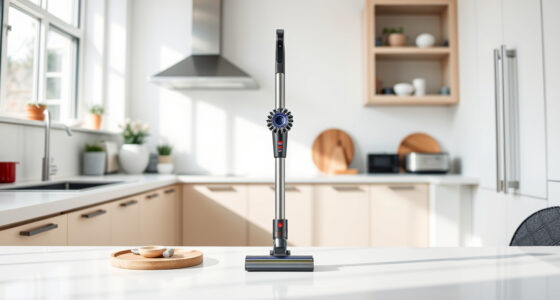
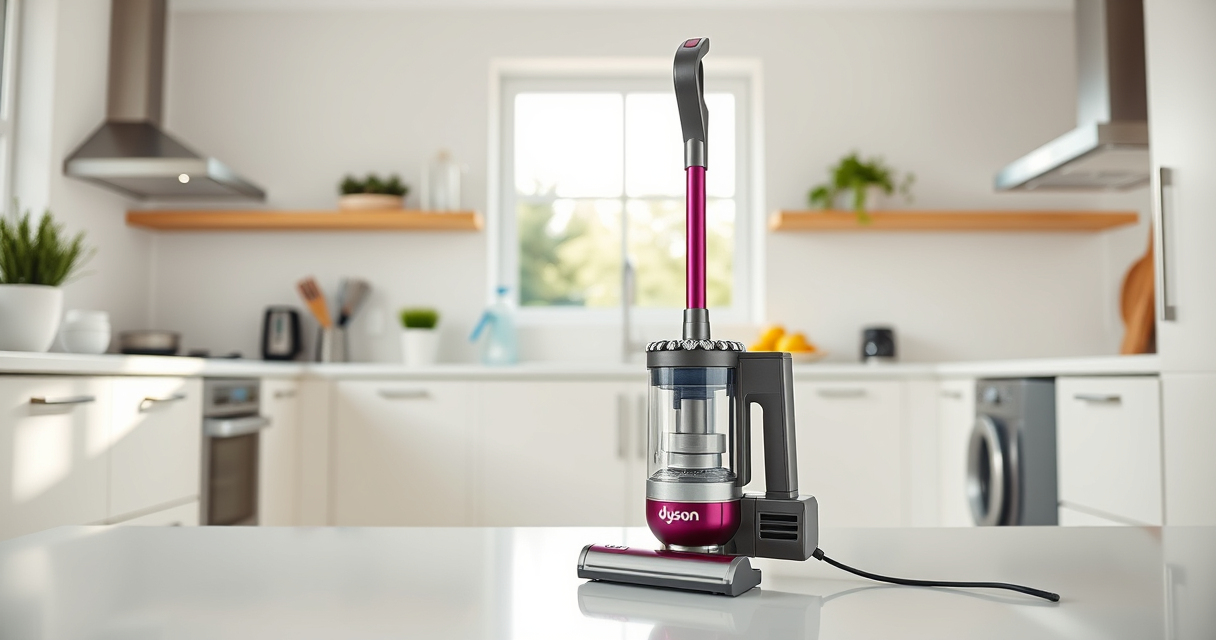
Dyson V15 Detect™ Origin Cordless Vacuum
- ✔ Run Time: 60 mins
- ✔ Weight: 6.8 lbs
- ✔ Filter Replacement: Every 2-3 months

LANMU Crevice Tool Vacuum Attachments Compatible
- ✔ Length: 15 inches
- ✔ Weight: 0.2 lbs
- ✔ Material: Polycarbonate
Dyson V15 Detect™ Origin Cordless Vacuum
<p>The Dyson V15 Detect™ Origin offers powerful and intelligent cleaning with real-time particle detection. Its advanced features make fixing common issues straightforward.</p>
Pros:
- Powerful suction
- Smart LCD display
- Deep cleaning capabilities
- Long battery life
Cons:
- Can be heavy for some users
- Filters require regular maintenance
- Price point is premium
Best for: Whole-home deep cleaning, pet owners, allergy sufferers
Not ideal for: Light cleaning needs or budget-conscious buyers
Bottom line: The Dyson V15 Detect™ Origin is a powerful, smart vacuum ideal for thorough cleaning, with troubleshooting steps to resolve suction issues.
LANMU Crevice Tool Vacuum Attachments Compatible
<p>The LANMU Crevice Tool provides a narrow, flexible nozzle ideal for reaching tight spots and corners, complementing your Dyson for better cleaning results.</p>
Pros:
- Narrow, flexible design
- Compatible with multiple Dyson models
- Easy to attach and use
- Great for car interiors and hard-to-reach areas
Cons:
- May not be suitable for large debris
- Requires careful handling in tight spaces
- Limited to crevice cleaning
Best for: Cleaning corners, edges, car interiors
Not ideal for: Large debris removal or heavy-duty cleaning
Bottom line: This crevice tool helps access tight spots, enhancing your Dyson vacuum’s versatility.
Frequently Asked Questions
Why does my Dyson vacuum lose suction over time?
Loss of suction can be caused by clogged filters, blockages in the wand or hose, or tangled debris around the brush bar.
How often should I replace my filters?
Filters should be washed every 2-3 months and replaced if damaged or excessively dirty to maintain optimal suction.
Can I wash my Dyson filters?
Yes, most filters are washable. Rinse with water, wring out excess, and let air dry completely before reinstalling.
What should I do if my vacuum still has no suction after cleaning filters and removing blockages?
If issues persist, contact Dyson customer support for professional diagnosis or consider replacing worn parts.
Keep Your Dyson V15 Detect Running at Peak Performance
Regular maintenance, including cleaning filters, checking for blockages, and inspecting the brush bar, can prevent suction loss. Following these troubleshooting steps will help you restore your vacuum’s power and keep your home spotless.
Affiliate disclosure: As an Amazon Associate we earn from qualifying purchases. Prices and availability are accurate as of the time of publishing.
Fall yard work Picks
leaf blowers
As an affiliate, we earn on qualifying purchases.