
To prevent overheating in high-power blenders, the most effective technique is maintaining sharp blades and managing blending cycles with proper use. Regularly clean and inspect blades to make certain they stay sharp, which reduces motor strain and heat buildup. Avoid overloading the blender and give it short breaks during heavy use to cool the motor. Keeping vents clean and providing ventilation also helps. Stay with us to discover more tips that keep your blender running smoothly and efficiently.
Key Takeaways
- Use short blending bursts with pauses to allow the motor to cool down regularly.
- Avoid overloading the blender beyond its recommended capacity to prevent excessive heat buildup.
- Incorporate small ingredient batches for dense blends, reducing motor strain and overheating risk.
- Ensure proper ventilation by cleaning vents and allowing breaks during extended blending sessions.
- Regularly maintain blades for sharpness, decreasing motor workload and heat generation.

Have you ever wondered why some smoothies turn out perfectly creamy and smooth while others stay chunky? The secret often lies in how you care for your high-power blender, especially when it comes to blade maintenance and motor cooling. These factors are vital because they directly influence the blend quality and the longevity of your appliance. Proper blade maintenance ensures your blades stay sharp and effective, which leads to a smoother, more consistent blend. Dull blades can cause uneven chopping, forcing the motor to work harder and generate more heat, risking overheating.
Keeping blades sharp and effective ensures smooth blending and prevents motor overheating.
To keep your blades in top shape, it’s essential to clean them thoroughly after each use, removing any stuck residue or buildup. Regularly check for signs of dullness or damage, and replace blades when necessary. Sharp blades cut through ingredients cleanly, reducing strain on the motor, which helps prevent overheating and extends the life of your blender. Remember, well-maintained blades are key to achieving that silky texture you want in your smoothies. Additionally, proper ventilation is crucial as it helps dissipate heat and keeps the motor cool during heavy usage.
Another important aspect is motor cooling. When you’re blending tough ingredients or larger quantities, the motor works overtime, generating heat. Over time, this heat can accumulate and cause the motor to overheat, leading to potential damage or shutdowns. To prevent this, it’s a good idea to give your blender short breaks during extended blending sessions. Stopping for a few seconds allows the motor to cool down, reducing the risk of overheating. Some high-power blenders come with built-in cooling systems or vents, but even then, using them wisely makes a difference.
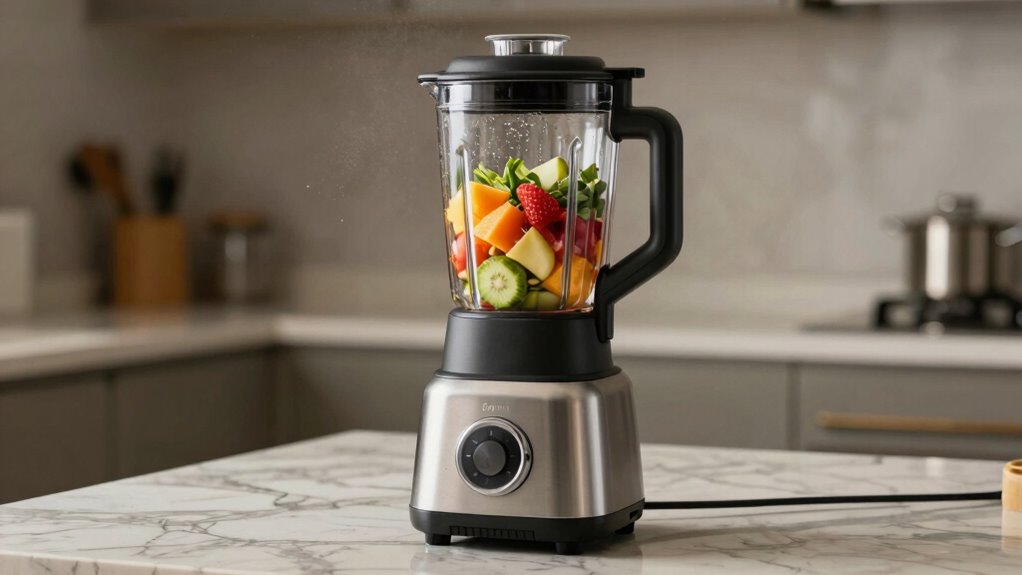
Additionally, avoid overloading your blender. Filling it beyond the recommended capacity forces the motor to strain, which increases heat production. It’s better to blend in smaller batches if you’re working with dense ingredients or large amounts. Keep the motor’s ventilation areas free of dust and debris, and follow the manufacturer’s guidelines for usage and maintenance. Regularly checking and cleaning your blender’s vents can improve airflow, helping the motor stay cool during heavy use.
In short, maintaining your blades and managing motor cooling are the key techniques to prevent overheating. Sharp blades reduce the load on your motor, allowing it to run smoothly without excessive heat buildup. Giving your blender breaks and avoiding overloading helps keep the motor temperatures in check, ensuring your device stays reliable and performs at its best. When you pay attention to these details, you’ll enjoy consistently creamy smoothies and extend your blender’s lifespan, making every blending session a success.
Frequently Asked Questions
What Are the Common Signs of Blender Overheating?
You might notice your blender’s motor slowing down or making unusual noises, which are signs of overheating. Feel for warmth on the motor housing, and if it’s hot to the touch, it indicates overheating. To prevent this, make certain proper blender cooling by avoiding continuous use beyond recommended times. Overheating prevention techniques, like pausing between blends, help keep your blender running smoothly and extend its lifespan.
How Often Should I Clean My High-Power Blender?
You should clean your high-power blender after every use to maintain ideal performance. Regular cleaning prevents residue buildup and prolongs its lifespan. Follow maintenance tips like disassembling removable parts and using warm, soapy water or a blender cleaning solution. This routine not only keeps your blender hygienic but also ensures it runs smoothly, reducing overheating risks and extending its longevity. Make cleaning a habit for the best results.
Can Overloading Damage the Blender’s Motor?
Is your blender’s motor a fragile flower? Overloading can indeed cause motor overload and power strain, risking damage. When you fill the jar too full or push the motor beyond its capacity, you increase the chance of overheating or burning out the motor. To avoid this, always follow the recommended fill lines and pulse ingredients if needed. Your blender will thank you with longer-lasting performance and reliability.
Are There Specific Ingredients That Cause More Overheating?
Certain ingredients, like frozen fruits, nuts, and ice, can cause more overheating because they require longer blending durations and generate extra heat. To prevent this, you should carefully consider ingredient selection and avoid overloading your blender. Use short blending bursts, especially with tough ingredients, and give your blender breaks to cool down. This helps prevent overheating and keeps your motor running smoothly.
What Safety Features Do High-Power Blenders Have to Prevent Overheating?
Think of your blender as a vigilant guard dog, always on alert. It has cooling systems that act like a fan, dissipating heat efficiently, and safety sensors that monitor temperature levels. When things get too warm, these sensors send signals to shut down the motor, preventing overheating. This smart design keeps your blender safe and functioning smoothly, so you can blend without worry.
Conclusion
To keep your high-power blender running smoothly, always use the cooling technique we discussed. Did you know that over 60% of motor burnouts happen because of overheating? By simply adding short breaks or cold ingredients, you can extend your blender’s lifespan and enjoy perfect blends every time. Don’t let overheating ruin your favorite smoothies—stay proactive, follow this tip, and blend confidently for years to come!