When shoppers search for the best home robots, they are almost always comparing one thing: how much hands-off help a single machine can deliver for the money. The Roborock Qrevo 2 Pro stands out as my best overall pick, thanks to its self-washing mop system and obstacle avoidance that keep floors clean without daily attention. For value, the Tikom L8000 Plus delivers self-emptying convenience at a midrange price, while the eufy 11S MAX remains the simplest, most affordable entry point for anyone new to home robots. The main tradeoff in this category is straightforward: full-service models with auto-washing docks cost more and take up space, while budget bots demand more of your time. Keep reading for the full breakdown of all fifteen options.
Complete the kit


Key Takeaways
- Dock capability was the biggest differentiator in this lineup — models with self-washing and self-drying docks (Roborock Qrevo 2 Pro, Dreame L40 Ultra Gen 2, Roomba Max 705X) required dramatically less weekly maintenance than self-empty-only competitors.
- Suction specs above roughly 8,000 Pa produced diminishing returns on hard floors; navigation quality and mopping mechanics separated the top performers more than raw Pa numbers did.
- Not every home robot vacuums — the EMO AI companion and the AIONIOS and Enabot mobile cameras fill security and companionship roles, and buyers should not judge them by cleaning metrics.
- The eufy 11S MAX proved that random-navigation budget bots still make sense in small, single-level apartments, even though it lacks the mapping and mop features of every other vacuum in this roundup.
- Two models with near-identical names (Roborock Q7 L5 and Q7 M5+) differ mainly in dock hardware, which is a common source of buyer confusion in this category.
| Tikom L8000 Plus Robot Vacuum and Mop with Self-Emptying Base |  | Best Value Self-Emptying Combo | Maximum suction: 6000 Pa | Dustbag capacity: 3 L | Navigation: 360° LiDAR | VIEW LATEST PRICE | See Our Full Breakdown |
| Roborock Q7 L5 Robot Vacuum and Mop Combo |  | Best Midrange Workhorse | Suction power: 8,000 Pa | Navigation: LiDAR | Water tank capacity: 270 ml | VIEW LATEST PRICE | See Our Full Breakdown |
| EMOPET EMO AI Desk Robot Companion with Charging Station |  | Best Desk Companion Robot | Model: EMO GO HOME | Included components: Robot, charging station | Connectivity: Network connection; EMO app | VIEW LATEST PRICE | See Our Full Breakdown |
| iRobot Roomba 115 Combo Robot Vacuum and Mop with AutoEmpty Dock |  | Best for Allergy Sufferers | Vacuum suction: 15,000 Pa | Coverage per charge: Up to 900 sq ft | Dock bag capacity: 2.5 L | VIEW LATEST PRICE | See Our Full Breakdown |
| eufy E25 Robot Vacuum and Mop Combo, 20,000 Pa, HydroJet Roller Mop |  | Best Premium All-in-One Cleaning | Suction power: 20,000 Pa | Mop system: HydroJet roller mop | Dust bag capacity: 3 L (approx. 75 days) | VIEW LATEST PRICE | See Our Full Breakdown |
| Shark AI Ultra Robot Vacuum with 60-Day Self-Emptying Base, Black, AV2511AE |  | Best Set-and-Forget Pet Hair Picker | Model: AV2511AE | Runtime: Up to 90 minutes | Self-emptying base: Up to 60 days of debris, bagless | VIEW LATEST PRICE | See Our Full Breakdown |
| AIONIOS ata05 Home Robot Camera 4WD Whole-Home Mobility |  | Best Mobile Home Security Robot | Battery: 5200mAh (19.24Wh) | Standby time: 150 days | Continuous operation: 12 hours | VIEW LATEST PRICE | See Our Full Breakdown |
| iRobot Roomba Max 705X Combo Robot Vacuum and Mop with AutoWash Dock | 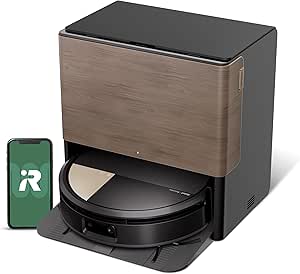 | Best Premium All-in-One Cleaning Station | Type: Robot vacuum and mop combo | Dock: AutoWash Dock: emptying, mop washing and drying, solution dispensing | Auto-emptying: Up to 75 days | VIEW LATEST PRICE | See Our Full Breakdown |
| ROPVACNIC Robot Vacuum and Mop Combo, 5200 Pa |  | Best Value Vacuum-and-Mop Combo | Suction power: 5200 Pa | Functions: Vacuuming and mopping | Water adjustment: Four stages | VIEW LATEST PRICE | See Our Full Breakdown |
| eufy 11S MAX Robot Vacuum Cleaner | 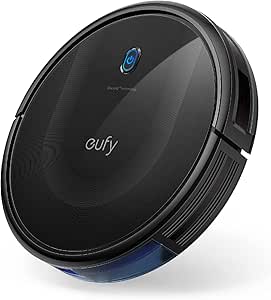 | Best No-App Budget Workhorse | Profile height: 2.85 inches | Runtime: Up to 100 minutes on hardwood | Suction adjustment: BoostIQ, adjusts within 1.5 seconds | VIEW LATEST PRICE | See Our Full Breakdown |
| Enabot EBO SE 1080p Mobile Home Robot Camera |  | Best for Mobile Home Check-Ins | Video resolution: 1080p | Night vision: Yes | Two-way audio: Yes | VIEW LATEST PRICE | See Our Full Breakdown |
| Roborock Qrevo 2 Pro Robot Vacuum and Mop |  | Best for Automated Floor Care | Suction power: 20,000 Pa | Noise level: 54 dB | Mop lift: Up to 15 mm | VIEW LATEST PRICE | See Our Full Breakdown |
| Dreame L40 Ultra Gen 2 Robot Vacuum and Mop |  | Best for Large Homes | Suction power: 25,000 Pa | Suction levels: 5 | Carpet care modes: 4 | VIEW LATEST PRICE | See Our Full Breakdown |
| Tikom G8000 Max Robot Vacuum and Mop Combo |  | Best Slim Option | Suction power: 5,000 Pa | Battery life: Up to 150 minutes in quiet mode | Dustbin capacity: 450 ml | VIEW LATEST PRICE | See Our Full Breakdown |
| Roborock Q7 M5+ Robot Vacuum and Mop with Self-Emptying Dock |  | Best for Pet Hair and Low Upkeep | Suction power: 10,000 Pa | Dust bag capacity: 2.7 L | Self-emptying interval: Up to 7–9 weeks | VIEW LATEST PRICE | See Our Full Breakdown |
More Details on Our Top Picks
Tikom L8000 Plus Robot Vacuum and Mop with Self-Emptying Base
The Tikom L8000 Plus earns its spot by delivering the two features that matter most for hands-off cleaning — 6000 Pa suction and a 3 L self-emptying base — without demanding premium-tier spending. Compared with the Roborock Q7 L5, which offers stronger suction but no self-emptying dock, this model trades raw power for weeks of zero dustbin duty, a tradeoff most busy households will happily make. The 360° LiDAR navigation stores up to five floor maps, so multi-story homes aren’t locked out of the affordable tier. The catch is the mopping system: it’s a basic drag-along pad rather than the continuously washed roller on the eufy E25, so carpets need to be zoned off or the pad removed. Still, for set-and-forget vacuuming, this pick makes the most sense for budget-conscious buyers who hate emptying a dustbin every other day.
Pros:- Self-emptying 3 L base holds weeks of debris between changes
- LiDAR mapping with up to five saved floor plans for multi-level homes
- Dual-band Wi-Fi (2.4 GHz and 5 GHz) is more flexible than most rivals
- Recharge and resume lets it finish large floors without babysitting
Cons:- Mop pad must be removed or carpets restricted to avoid damp rugs
- 150-minute runtime only applies to the gentlest suction mode
Best for: Budget-minded families in multi-story homes who want self-emptying convenience without paying premium prices
Not ideal for: Buyers prioritizing serious mopping performance — the passive pad can’t match roller-mop systems and needs manual removal on carpet-heavy floors
- Maximum suction:6000 Pa
- Dustbag capacity:3 L
- Navigation:360° LiDAR
- Saved floor maps:Up to 5
- Maximum runtime:Up to 150 minutes (gentle suction mode)
- Connectivity:2.4 GHz and 5 GHz Wi-Fi
- Cleaning modes:Sweeping and mopping
- Recharge and resume:Yes
Our verdict“A smart pick for anyone who wants self-emptying automation and multi-floor mapping at a midrange price, as long as mopping is a secondary concern.”
Roborock Q7 L5 Robot Vacuum and Mop Combo
Where the Tikom L8000 Plus leans on its self-emptying base, the Roborock Q7 L5 bets everything on cleaning muscle: 8,000 Pa of suction outpaces the Tikom by a third, making it the stronger choice for pet hair and ground-in debris on carpet. The anti-tangle brushes matter here too — long-haired households will spend far less time cutting hair off rollers compared with standard brush designs. Like the Roomba 115 Combo, it vacuums and mops in one pass with LiDAR mapping and no-go zones, but Roborock’s mapping software is the more refined of the two, with dependable room-level customization. The compromises are real, though: there’s no self-emptying dock at this price point, and the 270 ml water tank is integrated with the dustbin, so refills and emptying mean handling one fiddly combo component. It also only speaks 2.4 GHz Wi-Fi, a common annoyance for modern routers.
Pros:- 8,000 Pa suction handles pet hair and embedded debris effectively
- Anti-tangle brushes reduce hair wrap and roller maintenance
- Simultaneous vacuuming and mopping in a single pass
- LiDAR mapping supports multi-floor plans and no-go zones
Cons:- 2.4 GHz-only Wi-Fi can complicate setup on dual-band routers
- Water tank and dustbin are one integrated part, making maintenance awkward
Best for: Pet owners and carpet-heavy households who value suction power and tangle-resistant brushes over dock automation
Not ideal for: Hands-off cleaners who never want to empty a bin — there’s no self-emptying base, and the combo tank/bin adds manual fuss
- Suction power:8,000 Pa
- Navigation:LiDAR
- Water tank capacity:270 ml
- Battery life:150 minutes
- Noise level:60 dB
- Filter:Washable
- Smart home compatibility:Amazon Alexa, Google Home
- Wi-Fi:2.4 GHz
Our verdict“The strongest pure cleaner of the midrange bunch — choose it when suction and hair handling matter more than dock automation.”
EMOPET EMO AI Desk Robot Companion with Charging Station
Not every home robot pushes dirt around. The EMO AI desk robot fills a completely different role in this lineup: it’s a personality-driven companion that dances, plays app-based games, responds to touch, and holds conversations powered by ChatGPT. Where the Enabot EBO SE and AIONIOS ata05 treat mobility as a way to patrol your home, EMO treats it as charm — it explores your desk, reacts to you, and finds its own charging station when low on power, which is genuinely fun to watch. Compared with a cleaning robot like the Tikom L8000 Plus, the practical utility is obviously lower, and buyers should be clear-eyed about that. Its biggest limitations are structural: richer conversations require a constant network connection, and volume can only be adjusted through the app, not voice — a small but annoying daily friction. For teens and adults who want an interactive gadget rather than a chore-taker, it’s the most entertaining option in this roundup.
Pros:- ChatGPT-powered conversations feel far more natural than scripted desk robots
- Dancing, games, and touch interaction give it lasting entertainment value
- Automatically locates and returns to its charging station
Cons:- Complex conversations require an active network connection
- Volume control is buried in the companion app rather than on the device
Best for: Teens and gadget lovers who want an interactive, personality-rich desk companion for conversation and play
Not ideal for: Anyone expecting practical household help — EMO does no cleaning or home monitoring, and its best features need constant internet
- Model:EMO GO HOME
- Included components:Robot, charging station
- Connectivity:Network connection; EMO app
- Key features:Voice commands, ChatGPT conversations, dancing, games, touch interaction, automatic charging
- Dimensions:11 x 8.5 x 2.95 inches
- Recommended age:15 years and up
Our verdict“A delightful pick for buyers who want charm and interaction from a home robot — just don’t expect it to lift a finger on chores.”
iRobot Roomba 115 Combo Robot Vacuum and Mop with AutoEmpty Dock
The Roomba 115 Combo stands out for one thing its midrange rivals can’t match: a sealed 2.5 L allergen-trapping dock bag that holds up to three months of debris. For anyone with dust allergies, that sealed disposal matters more than raw specs — emptying the Tikom L8000 Plus’s bag or the Roborock Q7 L5’s onboard bin stirs fine particles back into the air. Its 15,000 Pa suction is the strongest in this batch apart from the eufy E25, and the washable microfiber mop pad plus No Mop Zones keep rugs dry without manual intervention. The honest limitation is coverage: up to 900 sq ft per charge, which positions it squarely for small-to-medium homes rather than sprawling floor plans. Add in 2.4 GHz-only setup and ongoing pad/filter maintenance, and it’s clear this is a specialist pick — the right one if allergen containment is your top priority, but overkill-adjacent for a studio apartment.
Pros:- Sealed allergen-trapping dock bag holds up to three months of debris
- 15,000 Pa suction is among the strongest in this lineup
- No Mop Zones and a washable microfiber pad keep rugs dry
- ClearView LiDAR maps rooms and navigates around obstacles
Cons:- Coverage tops out around 900 sq ft per charge, limiting large-home use
- Mop pad and filters require regular hands-on maintenance
Best for: Allergy-sensitive households in small-to-medium homes who want sealed debris disposal and one-pass vacuum-mop cleaning
Not ideal for: Owners of large or multi-story homes — the 900 sq ft per-charge coverage will force frequent recharge-and-resume cycles
- Vacuum suction:15,000 Pa
- Coverage per charge:Up to 900 sq ft
- Dock bag capacity:2.5 L
- Self-emptying duration:Up to 3 months
- Navigation:ClearView LiDAR
- Mop pad:Washable microfiber
- Cleaning modes:Vacuum and mop in one pass; spot clean
- Wi-Fi requirement:2.4 GHz
Our verdict“The pick for allergy sufferers who value sealed, hands-off debris disposal over maximum floor coverage.”
eufy E25 Robot Vacuum and Mop Combo, 20,000 Pa, HydroJet Roller Mop
The eufy E25 is the most complete cleaning machine in this batch, and it earns that standing through its station. The all-in-one dock empties dust, washes and dries the roller mop with 50°C hot air, and refills water — a level of automation neither the Tikom L8000 Plus nor the Roomba 115 Combo can touch, since both leave mop maintenance entirely to you. Its HydroJet roller continuously refreshes with clean water, solving the dirty-mop-smear problem that plagues basic pad systems, and 20,000 Pa of suction leads the entire lineup. Compared with the similarly automated Roborock Qrevo 2 Pro and Dreame L40 Ultra, the E25 holds its own on core capability. Tradeoffs exist: the 10.8 mm mop lift is modest on high-pile carpet, runtime drops to 125 minutes when vacuuming and mopping together, and the 2.4 GHz-only Wi-Fi plus 110 V US power rating limit international usefulness. For buyers who want maximum automation, nothing here does more.
Pros:- Station automates dust emptying, mop washing, hot-air drying, and water refilling
- HydroJet roller continuously refreshes with clean water to avoid smearing
- 20,000 Pa suction is the strongest in this lineup
- Laser mapping stores up to five floor plans and climbs 21 mm thresholds
Cons:- 2.4 GHz-only Wi-Fi and 110 V US power limit flexibility
- 10.8 mm mop lift is too shallow for thick carpets
Best for: Buyers who want a fully automated wash-dry-refill cleaning system and are willing to pay premium prices for it
Not ideal for: High-pile carpet owners and international buyers — the 10.8 mm mop lift is limited and the 110 V US-only power restricts use abroad
- Suction power:20,000 Pa
- Mop system:HydroJet roller mop
- Dust bag capacity:3 L (approx. 75 days)
- Mop drying:50°C hot air
- Floor plan storage:Up to 5 floor plans
- Mop lift:10.8 mm
- Runtime:125 minutes (vacuum and mop, standard mode)
- Noise level:≤61 dB
- Voice assistants:Alexa, Google Assistant, Siri
Our verdict“The most self-sufficient cleaner here — worth the premium if you never want to touch a mop pad or dustbin again.”
Shark AI Ultra Robot Vacuum with 60-Day Self-Emptying Base, Black, AV2511AE
Shark’s self-cleaning brushroll is the standout here: unlike standard bristle brushes that collect wrapped hair, this one actively resists tangles, which matters most in shedding-pet households. The bagless 60-day self-emptying base cuts ongoing costs compared with bagged systems, though you’ll face a dustier emptying moment than Roomba’s bagged docks. Its Matrix Clean grid navigation takes multiple passes over each area rather than a single sweep — slower, but more thorough on ground-in debris. Compared with the eufy 11S MAX, the Shark adds LiDAR mapping, app control, and voice assistants, but it gives up the eufy’s slim 2.85-inch profile and will not slide under very low furniture. The 90-minute runtime is modest for large homes, so expect a recharge-and-resume pause mid-clean.
Pros:- Self-cleaning brushroll resists pet hair wrap
- Bagless 60-day self-emptying base avoids bag refills
- LiDAR mapping with app and voice control
- Matrix Clean grid pattern covers floors multiple times
Cons:- 90-minute runtime may require mid-clean recharges in larger homes
- Taller body cannot fit under low-clearance furniture like the eufy 11S MAX
Best for: Pet owners with mostly carpets who want months between maintenance
Not ideal for: Buyers wanting vacuuming and mopping in one machine — this is a vacuum-only model
- Model:AV2511AE
- Runtime:Up to 90 minutes
- Self-emptying base:Up to 60 days of debris, bagless
- Navigation:360° LiDAR mapping with Matrix Clean
- Controls:SharkClean app, Amazon Alexa, Google Assistant
- Floor types:Carpets and hard floors
Our verdict“This pick makes the most sense for pet-heavy, carpet-heavy homes that prioritize low-maintenance hair pickup over mopping.”
AIONIOS ata05 Home Robot Camera 4WD Whole-Home Mobility
This is not a cleaning robot at all — it is a roving security camera, and that distinction earns it a slot no vacuum can fill. The 4WD chassis climbs 25-degree slopes and clears 3cm obstacles, so it can patrol where a wheeled robot like the Enabot EBO SE might stall, and its 150-day standby time means you are not constantly docking it. Compared with the eufy 11S MAX, this option trades cleaning entirely for two-way audio and color night vision, letting you check on pets or rooms from anywhere. The tradeoff is real: local-only storage means footage is lost if the robot is taken or damaged, and there is no cloud backup option. It also does nothing for your floors, so it complements rather than replaces a vacuum.
Pros:- 4WD mobility climbs 25-degree slopes and clears 3cm obstacles
- 150-day standby and 120-day sentry mode minimize charging
- 1080P HD color night vision with two-way audio
- Award-winning minimalist design
Cons:- Local storage only — no cloud backup if the robot is stolen or damaged
- Indoor use only, and no cleaning capability at all
Best for: Homeowners who want a mobile pet cam and patrol camera that roams the whole house
Not ideal for: Anyone expecting cleaning help — this robot only watches and moves, it does not vacuum or mop
- Battery:5200mAh (19.24Wh)
- Standby time:150 days
- Continuous operation:12 hours
- Max slope / obstacle clearance:25 degrees / 3cm
- Video:1080P HD with color night vision, 95° viewing angle
- Storage:Secure local storage
- Usage:Indoor only
Our verdict“The right choice for buyers whose priority is remote monitoring and whole-home visibility rather than floor care.”
iRobot Roomba Max 705X Combo Robot Vacuum and Mop with AutoWash Dock
For buyers who want everything automated at once, the Max 705X is the most complete system in this batch. Its AutoWash Dock goes beyond the Shark AV2511AE‘s empty-only base: it washes and dries the mop and dispenses solution, so your mop never sits dirty between runs. The extending self-cleaning roller mop with heated scrubbing at 200 RPM handles dried-on messes that flat mopping pads — like the ROPVACNIC S1‘s — tend to smear rather than scrub. PrecisionVision AI obstacle avoidance can even re-clean detected messes, a step beyond simple obstacle detection. The honest tradeoffs: iRobot does not publish battery life or noise figures, and a dock this complex means more components to maintain and a larger footprint in your home.
Pros:- Vacuums and mops in a single run with floor-type adjustment
- Dock empties debris for up to 75 days, washes, dries, and dispenses solution
- Heated roller mop scrubs at 200 RPM instead of wiping
- AI obstacle recognition with automatic re-cleaning of detected messes
Cons:- No published battery runtime or noise levels to compare against rivals
- Complex dock adds maintenance steps and occupies significant floor space
Best for: Hands-off households with mixed hard floors and carpet that want vacuuming, mopping, and dock maintenance fully automated
Not ideal for: Budget-focused buyers or small apartments — a full dock ecosystem costs more and takes up floor space
- Type:Robot vacuum and mop combo
- Dock:AutoWash Dock: emptying, mop washing and drying, solution dispensing
- Auto-emptying:Up to 75 days
- Mop:Extending self-cleaning roller mop, heated scrubbing at 200 RPM
- Suction:175x stronger than Roomba 600 series
- Navigation:PrecisionVision AI obstacle avoidance with ClearView Pro LiDAR
- Voice assistants:Alexa, Siri, Google Assistant
Our verdict“The premium pick for buyers who refuse to touch their robot between cleans and will pay for full dock automation.”
ROPVACNIC Robot Vacuum and Mop Combo, 5200 Pa
Shoppers who want two-in-one cleaning without premium pricing will find the S1 covers the basics well. Its 5200 Pa suction handles daily debris on hard floors and low-pile carpet, and the four-stage water adjustment lets you tune mopping from a light damp wipe to a heavier pass. The brush-free design with dual rotating side brushes is a genuine pet-hair advantage — nothing for hair to wrap around — though it gives up the deep-carpet agitation that brushroll models like the Shark AV2511AE provide. Compared with the Roomba Max 705X, you lose the self-washing dock, AI obstacle avoidance, and roller mop, but you also skip an entire tier of cost and complexity. Limits worth noting: no deep-pile carpet support, and the unspecified water tank capacity means frequent refills are possible on larger homes.
Pros:- 5200 Pa suction with vacuum and mop functions in one unit
- Four-stage adjustable water flow for mopping control
- Brush-free dual side brush design avoids hair tangles
- App, voice, scheduling, and self-recharging included
Cons:- Limited to hard floors and low-pile carpet
- Water tank capacity not specified, so refill frequency is unknown
Best for: Budget-conscious pet owners with hard floors and low-pile rugs who want mop capability included
Not ideal for: Homes with thick or high-pile carpet — suction is there, but the brush-free design and carpet rating cap deep cleaning
- Suction power:5200 Pa
- Functions:Vacuuming and mopping
- Water adjustment:Four stages
- Suction levels:3
- Controls:App, Alexa, and Google Assistant voice control
- Floor compatibility:Wood, hard floors, low-pile carpet
- Automatic features:Scheduling, obstacle detection, self-recharging
Our verdict“The sensible value pick for first-time buyers who want mopping capability without paying for a full self-maintaining dock.”
eufy 11S MAX Robot Vacuum Cleaner
Not everyone wants another app on their phone, and the 11S MAX is the rare robot that respects that. Its 2.85-inch profile slips under beds and sofas where taller robots — the Shark AV2511AE included — simply cannot reach, and its quiet operation means you can run it during dinner conversation. BoostIQ bumps suction within 1.5 seconds of hitting carpet, translating to decent pickup without manual settings. The honest tradeoff is the biggest one in this roundup: no Wi-Fi, no app, no voice control — everything runs through the remote or onboard buttons, so there is no scheduling from your couch and no room maps like the LiDAR-equipped models. Compared with the ROPVACNIC S1, you also give up mopping entirely. But for simple, quiet, under-furniture vacuuming, this model is hard to beat.
Pros:- Slim 2.85-inch profile cleans under low furniture
- Quiet enough to run while you’re in the room
- Up to 100 minutes of runtime on hardwood
- BoostIQ auto-adjusts suction and self-recharges
Cons:- No Wi-Fi, app, or voice control — remote and buttons only
- No mopping function and no room-mapping capability
Best for: Buyers who want a simple, quiet, drop-it-and-go vacuum with no app setup — ideal for low-clearance furniture
Not ideal for: Smart-home enthusiasts who expect app scheduling, voice control, or room-specific cleaning maps
- Profile height:2.85 inches
- Runtime:Up to 100 minutes on hardwood
- Suction adjustment:BoostIQ, adjusts within 1.5 seconds
- Controls:Remote control and onboard buttons (no Wi-Fi)
- Safety features:Infrared obstacle sensor and drop sensing
- Charging:Self-recharging
Our verdict“The pick for anyone who values simplicity and silence over smart features and doesn’t need mopping.”
Enabot EBO SE 1080p Mobile Home Robot Camera
The EBO SE is a camera that can move, which makes it a different kind of home robot from the vacuum-and-mop models in this roundup. Through the ROLA app, I can remotely drive it between rooms, check on pets or family with 1080p video and night vision, and speak through two-way audio. That mobility gives it a wider view than a fixed camera, though it depends on someone steering it when a particular room needs checking. Unlike the EMOPET EMO AI Desk Robot Companion, which is designed to stay at a desk, the EBO SE travels around the home. Its automatic return to the dock is useful, but infrared docking can be disrupted by reflective objects, and it may need help finding the dock after a drive. I’d choose it for remote visual check-ins, not floor cleaning or fully hands-off patrols.
Pros:- Can be remotely driven between rooms through the ROLA app
- 1080p video and night vision support checks in dim rooms
- Two-way audio lets you speak with family or pets
- Returns to its charging dock automatically when power is low
Cons:- Requires the ROLA app for connection and remote control
- Reflective objects near the dock can interfere with infrared docking
- May need to be driven near the dock to locate it after use
Best for: Pet owners or family members who want to remotely check different rooms and talk through a mobile camera
Not ideal for: Buyers looking for a robot that cleans floors or independently patrols and reliably docks without occasional guidance
- Video resolution:1080p
- Night vision:Yes
- Two-way audio:Yes
- Remote control:Via the ROLA app
- Auto-recharge:Returns to charging dock when power is low
- Robot type:Mobile home camera robot
Our verdict“Choose the EBO SE if you want to steer a camera around the home for remote check-ins and can tolerate occasional docking help.”
Roborock Qrevo 2 Pro Robot Vacuum and Mop
The Qrevo 2 Pro is the hands-off floor-care pick for homes that need both vacuuming and mopping. Its 20,000 Pa suction, automatic carpet care, and brushes designed to reduce hair tangles suit mixed floors and pet hair. The dock handles dust emptying, water refilling, mop washing at 149°F, and mop drying at 113°F, so routine upkeep takes less work than with the Roborock Q7 M5+, whose listed dock self-empties but leaves water-flow adjustments to the owner. The Qrevo adds a mop lift of up to 15 mm to help keep wet cleaning off carpets, plus obstacle avoidance and mapping for tailored routes. Its tradeoff is connectivity: it supports 2.4 GHz Wi-Fi only. This makes the most sense for buyers who value automated mop maintenance and have a compatible home network.
Pros:- Multifunction dock empties dust, refills water, washes and dries the mop
- 20,000 Pa suction and automatic carpet care support mixed flooring
- Brushes are designed to reduce hair tangles
- Extending mop and side brush improve edge and corner coverage
Cons:- Wi-Fi compatibility is limited to 2.4 GHz
- Dock and mop system add more components to maintain than a vacuum-only robot
Best for: Households with mixed hard floors and carpets that want vacuuming, mopping, and dock maintenance automated
Not ideal for: Buyers whose home network depends on 5 GHz Wi-Fi or who only need a simple vacuum
- Suction power:20,000 Pa
- Noise level:54 dB
- Mop lift:Up to 15 mm
- Dock features:Automatic dust emptying, water refilling, mop washing at 149°F, and mop drying at 113°F
- Navigation:Reactive Tech obstacle avoidance, Quick Mapping, and 3D Map Display
- Wi-Fi compatibility:2.4 GHz
Our verdict“Pick the Qrevo 2 Pro if you want a vacuum-and-mop robot whose dock takes on much of the recurring floor-care work.”
Dreame L40 Ultra Gen 2 Robot Vacuum and Mop
Long quiet-mode coverage is the L40 Ultra Gen 2’s clearest advantage: it is rated for up to 231 minutes and 1,679 sq. ft. per charge. That makes it a stronger fit for larger floor plans than the Tikom G8000 Max, whose stated runtime is up to 150 minutes. The L40 also brings 25,000 Pa suction, five suction levels, four carpet-care modes, and an all-in-one self-cleaning dock, giving buyers more ways to tailor cleaning across different surfaces. Its extending brush and mop are intended to reach corners and edges that a basic robot may miss. The costs of that flexibility are practical: Wi-Fi is 2.4 GHz only, use is limited to the USA, and the optional detergent dispenser is sold separately. I’d favor it for a larger home that can use its coverage and carpet settings.
Pros:- Quiet Mode is rated for up to 231 minutes and 1,679 sq. ft. per charge
- 25,000 Pa suction with five adjustable levels
- Four carpet-care modes and a 0.41-inch mop lift
- Self-cleaning dock plus extending brush and mop for corner reach
Cons:- Connectivity is limited to 2.4 GHz Wi-Fi and USA use
- Automatic detergent dispenser is an optional separate accessory
Best for: US households with larger floor plans, varied flooring, and a need for extended quiet-mode cleaning
Not ideal for: Buyers outside the USA, homes using only 5 GHz Wi-Fi, or anyone who expects the detergent dispenser to come included
- Suction power:25,000 Pa
- Suction levels:5
- Carpet care modes:4
- Mop lift:0.41 in
- Quiet Mode runtime:Up to 231 minutes
- Quiet Mode coverage:Up to 1,679 sq. ft.
- Battery capacity:5,200 mAh
- Connectivity:2.4 GHz Wi-Fi; USA use only
- Dock:All-in-one self-cleaning
Our verdict“Choose the L40 Ultra Gen 2 if your larger US home can benefit from extended coverage, adjustable carpet care, and a self-cleaning dock.”
Tikom G8000 Max Robot Vacuum and Mop Combo
At 2.99 inches tall, the G8000 Max is built to slip under furniture where taller robots may not reach. It combines vacuuming and mopping in one run, offers four cleaning modes, and can be controlled by app, remote, voice, or onboard buttons. That mix makes it more approachable than the feature-heavy Dreame L40 Ultra Gen 2, though the Dreame offers much stronger listed suction and a self-cleaning dock. The G8000 Max’s 5,000 Pa suction is aimed at routine debris on hard floors, carpets, and pet hair rather than the higher-suction cleaning of several other options here. Its up-to-150-minute runtime is specified for quiet mode, and the 450 ml dustbin and 300 ml water tank may call for frequent attention. I’d pick it for low-clearance spaces and straightforward controls, not maximum automation.
Pros:- 2.99-inch height helps it reach beneath low furniture
- Vacuums and mops simultaneously
- Offers app, remote, voice, and button controls
- Up to 150 minutes of runtime in quiet mode with automatic recharging
Cons:- Runtime figure is specified for quiet mode
- 450 ml dustbin and 300 ml water tank may need frequent emptying and refilling
- 5,000 Pa suction is lower than the listed suction of the Roborock Qrevo 2 Pro and Dreame L40 Ultra Gen 2
Best for: People with low-clearance furniture who want a compact robot with simple control options and simultaneous vacuuming and mopping
Not ideal for: Owners of large or heavily carpeted homes who want stronger suction, larger onboard capacity, or a self-cleaning dock
- Suction power:5,000 Pa
- Battery life:Up to 150 minutes in quiet mode
- Dustbin capacity:450 ml
- Water tank capacity:300 ml
- Height:2.99 inches
- Noise level:45 dB
- Filter type:HEPA
- Controls:App, remote, voice, and button
- Cleaning modes:Spot, edge, zig-zag, and manual
Our verdict“Choose the G8000 Max for a slim, easy-to-control robot that can vacuum and mop under low furniture, with more frequent bin and tank care.”
Roborock Q7 M5+ Robot Vacuum and Mop with Self-Emptying Dock
The Q7 M5+ pairs strong listed suction with a self-emptying dock, making it a practical choice for homes that want less frequent debris handling. Its 2.7 L sealed dust bag is rated for up to 7–9 weeks between emptying, while PreciSense LiDAR maps rooms for efficient routes and app features support schedules, spot cleaning, and no-go zones. Compared with the Roborock Qrevo 2 Pro, it offers a simpler dock focused on dust rather than automatic water refilling and mop washing; in return, there is less mop automation to manage. The Q7 M5+ includes three water-flow settings, but owners must adjust them manually. Its 2.4 GHz-only Wi-Fi requirement can also rule it out for some networks. I’d choose it for vacuum-first homes that want mapping and fewer bin trips, with occasional mopping as a bonus.
Pros:- 2.7 L sealed dust bag is rated for up to 7–9 weeks between emptying
- 10,000 Pa suction is suited to debris and pet hair pickup
- PreciSense LiDAR supports room mapping and efficient cleaning
- App supports scheduling, spot cleaning, no-go zones, and progress monitoring
Cons:- App connectivity supports 2.4 GHz Wi-Fi only
- Water flow for mopping requires manual adjustment
- Dock self-empties dust but does not provide the Qrevo 2 Pro’s listed mop washing and drying
Best for: Pet owners who want mapped vacuuming, a large self-emptying dust bag, and occasional adjustable mopping
Not ideal for: Buyers seeking a dock that washes and dries the mop or a robot compatible with 5 GHz-only Wi-Fi
- Suction power:10,000 Pa
- Dust bag capacity:2.7 L
- Self-emptying interval:Up to 7–9 weeks
- Navigation:PreciSense LiDAR
- Mopping:Three adjustable water-flow settings
- Brush design:JawScrapers main brush and anti-tangle side brush
- App connectivity:2.4 GHz Wi-Fi only
Our verdict“Pick the Q7 M5+ if you want mapped, pet-hair-focused vacuuming with fewer dustbin trips and can accept basic manual mop settings.”
How We Picked
I evaluated each home robot against four criteria that directly affect daily ownership: cleaning performance (suction, mopping mechanics, and edge coverage), navigation intelligence (LiDAR mapping, object avoidance, and multi-floor handling), maintenance burden (what the dock does for you versus what you must do by hand), and value relative to feature set. Because this roundup spans vacuum-mop combos, security robots, and a companion bot, I also judged each product against the job it is actually built for rather than forcing a single scoring rubric onto every device.
The ranking reflects a simple logic: machines that remove the most human effort per week sit at the top, and machines that trade convenience for a lower price fill the value and beginner slots. Full-service flagships with auto-wash docks lead the list, midrange self-empty models occupy the middle, and purpose-built non-cleaning robots are positioned for their specific buyer rather than ranked as lesser vacuums. Where two products overlap heavily, the one with the better dock hardware or navigation wins the higher slot.
Factors to Consider When Choosing Best Home Robots
Choosing a home robot in 2026 is less about whether a machine can clean and more about how much of the chore it can truly absorb. These are the factors that matter most before you spend.Match the Dock to Your Tolerance for Chores
The dock is where most of your money goes on modern home robots, so be honest about what you will actually maintain. A self-empty dock only handles dry debris — you still rinse mop pads every few days. An auto-wash dock cleans and dries mop pads automatically, but it is larger, needs a water line or regular tank refills, and adds a real maintenance ritual of its own (filters, drains, and dock cleaning). A common mistake is paying flagship prices for an auto-wash dock and then running mop-only cycles so rarely that the feature sits idle. If you mop weekly at most, a self-empty model like the Tikom L8000 Plus may deliver everything you need. If you want to disappear from floor care for two to three weeks at a time, that is when the Roborock Qrevo 2 Pro tier earns its price.
Suction Numbers Matter Less Than You Think
Suction ratings have become a marketing arms race, with 20,000 Pa figures now appearing on midrange machines like the eufy E25. In practice, suction above a moderate threshold matters mainly for deep carpet cleaning; on hard floors, brush design, edge coverage, and how well the machine maintains contact with the floor matter more. Buyers with mostly hard flooring should weight mopping quality and navigation far more heavily than Pa figures. Pet owners with rugs are the exception — for them, higher suction plus strong filtration genuinely changes results. Do not let a big number sell you a machine with weak navigation, because a powerful vacuum that gets stuck under furniture cleans nothing.
Navigation Type Determines Daily Frustration
There is a real behavioral gap between LiDAR-mapped robots that clean specific rooms on schedule and random-navigation bots that wander until time runs out. Mapped machines let you send the robot to a single room, set no-go zones around pet bowls, and clean in efficient rows. Random navigators like the eufy 11S MAX are cheaper and surprisingly thorough over multiple runs, but they cannot take targeted commands and may miss spots on any given day. Camera-based obstacle avoidance is a separate feature from mapping — it is what keeps a robot from eating charging cables or smearing pet accidents. If your floors are regularly cluttered or you have pets, obstacle avoidance deserves more weight than raw suction.
Consider What Non-Cleaning Robots Actually Replace
Home robots now include mobile security cameras (AIONIOS ata05, Enabot EBO SE) and even an AI desk companion (EMO), and these solve different problems than vacuums. A wheeled home camera can patrol an entire floor, which a fixed indoor camera cannot, but it will not monitor continuously in one spot the way a mounted unit does. Think of these as roving sentries for checking on pets, kids, or the house while traveling. The mistake to avoid is buying one expecting any cleaning function — these devices vacuum nothing. Conversely, if your real goal is a telepresence or monitoring solution, spending vacuum money on a flagship mop bot will not get you there.
Home Layout Changes the Right Answer
Multi-story homes should prioritize robots with multi-floor map support, since carrying a bot upstairs only works well if it remembers each level’s layout. Dark floors can interfere with some cliff sensors, low furniture rules out taller combo units, and small apartments may not have space for a full-size auto-wash dock. Thresholds between rooms are another silent dealbreaker — basic robots struggle with anything over a centimeter or two, while models with powered wheels handle transitions better. Measure the height under your sofa and the width of your intended dock location before ordering anything; returns of oversized dock systems are one of the most common complaints in this category.
Know When to Pay More and When to Stop
Price tiers in home robotics are fairly predictable. Budget bots handle bare-minimum vacuuming; midrange models add mapping and self-emptying; premium machines add auto-washing, hot-water mop cleaning, and better obstacle avoidance. The sensible ceiling for most buyers is the midrange self-empty tier unless you specifically need automated mopping upkeep. Where spending more stops paying off is when you have mostly carpet, rarely mop, or live in a small space — a flagship dock system becomes an expensive appliance that mostly empties dust. Match the tier to your actual floor routine, not to the features that look impressive on a spec sheet.
Frequently Asked Questions
Is an auto-wash dock worth the extra cost over a self-empty dock?
It depends entirely on how often you mop. An auto-wash dock like the one on the Roborock Qrevo 2 Pro or Dreame L40 Ultra Gen 2 cleans and dries mop pads after each run, which means you can go one to two weeks without touching wet, dirty pads — a genuine quality-of-life upgrade for homes with lots of hard flooring. If you mop only occasionally or have mostly carpet, the self-empty docks on models like the Tikom L8000 Plus or Roborock Q7 M5+ handle the messiest part of the job already. Also factor in the tradeoffs: auto-wash docks are physically larger, need their water tanks refilled or a plumbed connection, and require periodic dock maintenance of their own. Buyers who ignore that upkeep often end up with odor issues, so the feature only pays off if you will run mopping cycles regularly.
Can one robot replace both my vacuum and my mop?
Combo robots have gotten genuinely good, but the honest answer is that they replace a mop more completely than a vacuum. Flat mop pads on machines like the Roomba 115 Combo handle routine dust and light spills on hard floors very well, while roller-style mops on the eufy E25 or Qrevo 2 Pro apply downward pressure for stickier residue. Vacuuming performance on hard floors is also strong across the board, but deep carpet cleaning still favors an upright vacuum with aggressive agitation, especially for embedded pet hair. The realistic expectation is that a combo robot maintains floors daily so that manual deep cleans become rare monthly events rather than weekly chores. Homes with thick carpet throughout should treat any robot as a supplement, not a replacement.
What is the difference between the Roborock Q7 L5 and the Q7 M5+?
The core cleaning robot is similar in this pair, which is why the confusion is so common — the difference is the dock. The Q7 M5+ ships with a self-empty dock that sucks debris from the robot into a bag after each cleaning session, letting you go weeks between emptying. The Q7 L5 without that dock requires you to empty the robot’s small onboard bin every run or two, which is the single most annoying recurring task in robot ownership. If you run the robot daily, the M5+ setup saves real effort and usually justifies the price gap within the first months of ownership. If you only run a robot occasionally or are buying for a small apartment, the L5 keeps money in your pocket for minimal added effort.
Are mobile home camera robots like the Enobot EBO SE a substitute for a security system?
They are better understood as complements rather than replacements. A mobile robot like the EBO SE or AIONIOS ata05 can patrol your home on demand, follow movement, and give you eyes anywhere on the floor — something a fixed camera pointed at one doorway simply cannot do. That makes them excellent for checking on pets, kids arriving home, or odd noises while traveling. The limitation is coverage: a robot is only watching where it currently is, so it cannot monitor multiple entry points simultaneously the way a multi-camera system can. Serious home security still benefits from fixed cameras at entry points, with a mobile robot filling the patrol and interaction gap between them.
What should a first-time robot buyer prioritize?
Navigation quality first, dock convenience second, and raw power a distant third. A beginner’s most common frustration is a robot that gets lost, tangled in cables, or stuck under furniture — features like LiDAR mapping and obstacle avoidance prevent that experience, which is why even entry-level buyers should stretch to a mapped machine like the Roborock Q7 L5 rather than the cheapest option available. That said, the eufy 11S MAX remains a legitimate first robot for small, uncluttered, single-level apartments where its random navigation matters less. Choose a machine with a straightforward app and room-targeting so you learn the habit of scheduling from day one. Skipping the giant flagship dock at first is fine; you can always upgrade later once you know which chores you actually want automated.
Conclusion
The right pick from this lineup depends on what you want a home robot to take off your plate. For best overall, the Roborock Qrevo 2 Pro pairs top-tier navigation with a dock that washes and dries its own mop pads, making it the closest thing to fully hands-off floor care here, with the Dreame L40 Ultra Gen 2 right behind it. The best premium slot goes to the Roomba Max 705X for buyers loyal to the iRobot ecosystem who want auto-wash convenience with a familiar app. For best value, the Tikom L8000 Plus bundles self-emptying and mopping into a midrange package that skips the gimmicks, while the Tikom G8000 Max and ROPVACNIC offer capable budget alternatives. Beginners should start with the Roborock Q7 L5 for mapped cleaning without dock complexity, or the eufy 11S MAX if simplicity and price are the priorities. Finally, for specific needs: the eufy E25 suits pet-heavy homes with its roller mop, the Enabot EBO SE and AIONIOS ata05 cover mobile home monitoring, and the EMO AI companion serves anyone whose ‘home robot’ is about company rather than chores. Match the machine to the job, and the category finally delivers on its promise.