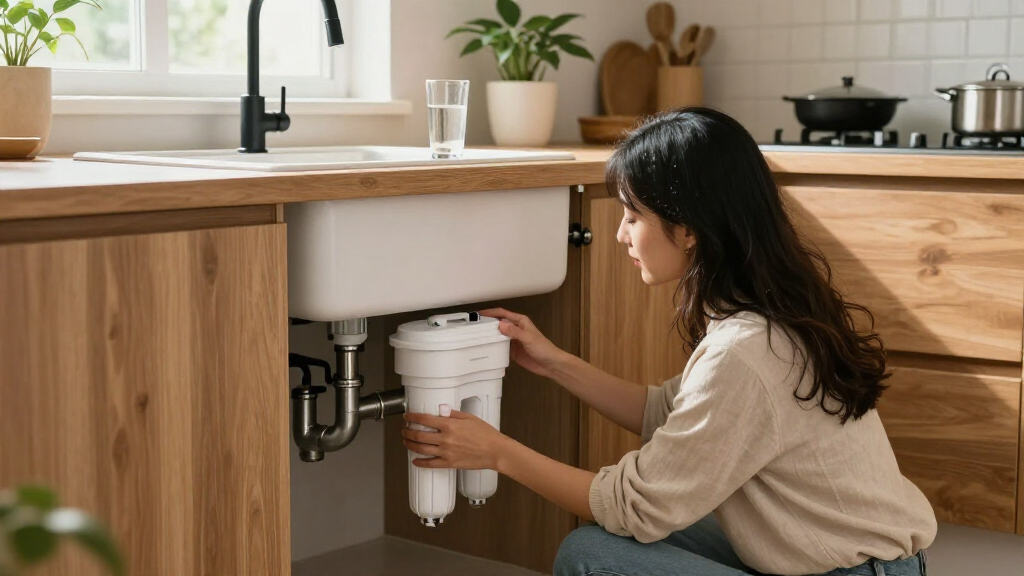
The best under-sink water filters depend on what you want to remove, how much space you have, and how much upkeep you’ll accept. My best overall pick is the Aquasana Claryum 3-Stage Max Flow for buyers who want a dedicated multi-stage filter without switching to reverse osmosis; the Waterdrop G3P600 stands out for tankless RO convenience, while the CuZn UC-200 suits people who want long intervals between filter changes. The central tradeoff is between simpler systems that preserve water minerals and RO systems that use more components and typically require a drain connection. I also compare faucet needs, filter life, installation demands, and the difference between carbon, ultrafiltration, and RO. Read on for the full breakdown and guidance on matching a system to your water and kitchen.

Get home appliances delivered free — and shop member deals
- Fast, free delivery on millions of items
- Access to Prime Big Deal Days deals on October 6–7
- Prime Video, Amazon Music and more included
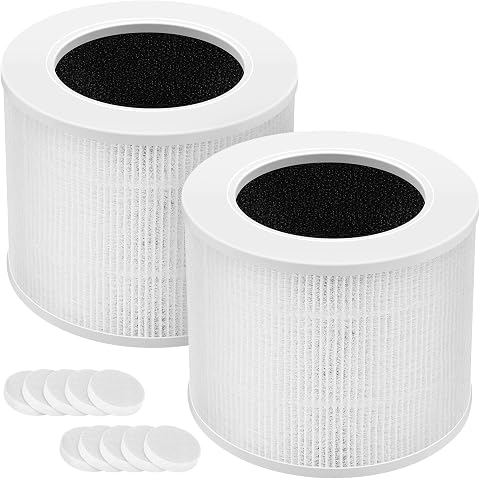
Complete the kit
![[Genuine] Waterdrop PF-01A Water Filter Replacement for W...](https://m.media-amazon.com/images/I/41+5tl9EiKL._SX342_SY445_QL70_FMwebp_.jpg)

Key Takeaways
- The lineup splits into distinct filtration approaches: carbon-focused systems prioritize everyday taste and simpler plumbing, ultrafiltration adds a fine physical barrier without RO, and reverse osmosis is the more involved route for buyers seeking broader dissolved-solids reduction.
- Waterdrop’s range is not one-size-fits-all: the 10UA and 10UB target compact, direct-connect setups, while the 10UB adds a dedicated faucet and the G3P600 brings tankless RO operation.
- Long filter-life claims change the maintenance schedule, not the need to check fit: the CuZn UC-200 and Waterdrop UA-5Y may appeal to low-maintenance buyers, but household use and source-water conditions affect actual service intervals.
- Dedicated faucets and existing-faucet connections are a real dividing line: products such as the Waterdrop 10UB and multi-stage systems may require a separate faucet, while direct-connect designs can reduce countertop changes.
- Capacity figures alone do not pick a winner: filter type, replacement availability, installation space, and the contaminants addressed by the model’s documentation matter more than a large gallon figure by itself.
| Waterdrop UL12A Under-Sink Water Filter with Filter-Life Reminder |  | Best for Low-Fuss Installation | Model: WD-UL12A | Filtration method: Activated carbon | Certifications: NSF/ANSI 42 and 372 | VIEW LATEST PRICE | See Our Full Breakdown |
| Waterdrop G3P600 Tankless Reverse Osmosis Water Filter System, 600 GPD |  | Best for High-Capacity TDS Reduction | Filtration: 8-stage reverse osmosis | Capacity: 600 gallons per day | Pure-to-drain ratio: 2:1 | VIEW LATEST PRICE | See Our Full Breakdown |
| Waterdrop WD-TSA-UF 0.01 μm Under-Sink Ultrafiltration Water Filter System |  | Best for Fast Mineral-Retaining Filtration | Purification method: Ultrafiltration | Filtration accuracy: 0.01 μm | Filter configuration: 3 filters | VIEW LATEST PRICE | See Our Full Breakdown |
| iSpring RCC7AK-BN 6-Stage Alkaline Reverse Osmosis Water Filtration System |  | Best for Remineralized RO Water | Model: RCC7AK-BN | Filtration stages: 6 | Purification method: Reverse osmosis, alkaline, activated carbon, and carbon block | VIEW LATEST PRICE | See Our Full Breakdown |
| Waterdrop TSA 3-Stage Under-Sink Water Filter System |  | Best for Simple, High-Flow Municipal Filtration | Filtration stages: 8 | Number of filters: 3 | Compatible connections: 1/2-inch or 3/8-inch cold-water connections | VIEW LATEST PRICE | See Our Full Breakdown |
| CuZn UC-200 Under-Sink Water Filter, 5-Year Filter Life |  | Best for Long Filter Life | Model: UC-200 | Filtration stages: 3 | Filter media: Micro-sediment membranes, KDF-55, coconut-shell carbon | VIEW LATEST PRICE | See Our Full Breakdown |
| Waterdrop 10UA Under-Sink Water Filter System with 2 Filters |  | Best Compact Pick | Filtration method: Activated carbon | Maximum flow rate: 1.33 gpm | Tested full flow rate: 0.75 gpm at 60 psi | VIEW LATEST PRICE | See Our Full Breakdown |
| ICEPURE Under-Sink Water Filter System, 22,000-Gallon Capacity |  | Best for High Flow and Capacity | Model: WFS5300A | Purification method: Activated carbon | Filter capacity: Up to 22,000 gallons | VIEW LATEST PRICE | See Our Full Breakdown |
| Waterdrop 10UB Under Sink Water Filter System with Dedicated Faucet |  | Best for a Dedicated Faucet | Purification method: Activated carbon | Water source: Cold municipal tap water | Reduces: Chlorine, taste, odor, lead, PFAS, PFOA/PFOS, and sediment | VIEW LATEST PRICE | See Our Full Breakdown |
| Waterdrop TSU 3-Stage Under-Sink Ultrafiltration Water Filter System | 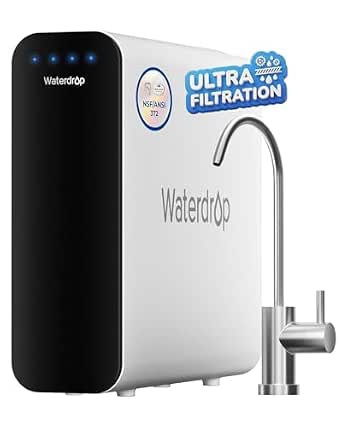 | Best No-Waste Ultrafiltration System | Filtration: 3-stage ultrafiltration, activated carbon, and carbon block | UF pore size: 0.01 micron | Maximum flow rate: 1.05 GPM | VIEW LATEST PRICE | See Our Full Breakdown |
| Waterdrop 10UA Under-Sink Water Filter System | 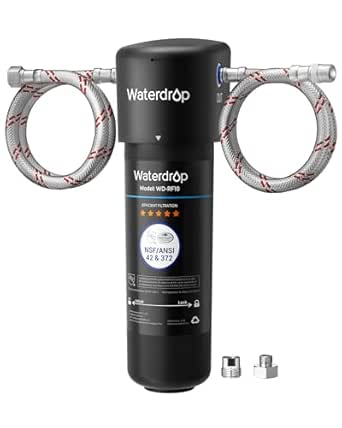 | Best Compact Pick | Filtration method: Activated carbon | Certification: NSF/ANSI 42 and 372 | Filter capacity: Up to 11,000 gallons | VIEW LATEST PRICE | See Our Full Breakdown |
| Waterdrop UA-5Y 5-Year Under-Sink Water Filter System |  | Best for Low-Maintenance Ownership | Filtration method: 0.5 μm activated carbon block | Filter life: 5 years | Listed reductions: Chlorine, PFOA/PFOS, turbidity, rust, sand, taste and odor | VIEW LATEST PRICE | See Our Full Breakdown |
| Aquasana Claryum 3-Stage Max Flow Under Sink Water Filter, AQ-6300M-BN |  | Best for Broad Certified Contaminant Reduction | Purification method: Carbon block and ultra filtration | Certifications: WQA; NSF/ANSI 42, 53, and 401 | Contaminant reduction claim: Up to 99.99% of 78 contaminants | VIEW LATEST PRICE | See Our Full Breakdown |
| iSpring RCC7-BN 5-Stage Under-Sink Reverse Osmosis Water Filter System |  | Best for TDS Reduction | Filtration stages: 5 | Purification method: Reverse osmosis, activated carbon, and carbon block | Certification: NSF/ANSI 58 | VIEW LATEST PRICE | See Our Full Breakdown |
| Waterdrop 15UA Under-Sink Water Filter System, 19,000-Gallon Capacity |  | Best Long-Life Carbon Filter | Filtration method: Multistage activated carbon | Capacity: 19,000 gallons | Filter life: Up to 24 months | VIEW LATEST PRICE | See Our Full Breakdown |
| under sink water filter | Maximum flow rate | Filter life | Dimensions |
|---|---|---|---|
| Waterdrop UL12A Under-Sink Wat | 0.75 gpm | Up to 12 months | 3.9 × 3.6 × 12.3 in |
| Waterdrop G3P600 Tankless Reve | — | — | — |
| Waterdrop WD-TSA-UF 0.01 μm Un | 1.5 gpm | WD-10PP: up to 6 months; WD-10GC: 8–12 months; WD-10UF: up to 12 months | — |
| iSpring RCC7AK-BN 6-Stage Alka | — | — | 15.5 × 16 × 18 in |
| Waterdrop TSA 3-Stage Under-Si | 1.5 gpm | — | — |
| CuZn UC-200 Under-Sink Water F | — | 5 years | 5.5 × 14 × 5.5 in (D × W × H) |
| Waterdrop 10UA Under-Sink Wate | 1.33 gpm | Up to 12 months | 3.9 × 3.6 × 12.3 in |
| ICEPURE Under-Sink Water Filte | 2.5 GPM at 60 PSI | Up to 3 years | 6.81 × 5.39 × 15.55 in |
| Waterdrop 10UB Under Sink Wate | 0.75 gpm at 60 psi | 1 year | — |
| Waterdrop TSU 3-Stage Under-Si | 1.05 GPM | — | — |
| Waterdrop 10UA Under-Sink Wate | 2.5 gpm | — | 3.9 × 3.6 × 12.3 inches |
| Waterdrop UA-5Y 5-Year Under-S | 1.33 gpm | 5 years | 3.9 × 3.6 × 16.7 inches |
| Aquasana Claryum 3-Stage Max F | 0.72 gpm | 6 months or 800 gallons per set | — |
| iSpring RCC7-BN 5-Stage Under- | 3.4 liters per minute | — | 23.62 × 15.75 × 11.81 inches |
| Waterdrop 15UA Under-Sink Wate | — | Up to 24 months | 3.9 × 3.6 × 16.7 inches |
More Details on Our Top Picks
Waterdrop UL12A Under-Sink Water Filter with Filter-Life Reminder
The Waterdrop UL12A is a strong fit for renters or DIY buyers who want an under-sink filter without drilling or adding a separate faucet. Its suction-cup base and cold-water connection keep setup straightforward, while the beeping, red filter reminder provides a clear replacement cue. The stated 11,000-gallon capacity and up-to-12-month filter life also mean fewer scheduled changes than the iSpring RCC7AK-BN’s six-month cycle. Unlike that reverse-osmosis system, though, the UL12A does not reduce TDS; it filters selected impurities while retaining minerals. Its 0.75-gpm flow is more modest than the 1.5-gpm Waterdrop WD-TSA-UF. Buyers should also check the coconut-shell carbon material if anyone at home has a coconut allergy.
Pros:- No-drill installation with a suction-cup base
- Audible and visual filter-life reminder
- Stated 11,000-gallon capacity and up to 12 months of filter life
- Reduces listed impurities while retaining minerals
Cons:- Does not reduce TDS
- For cold-water connections only
- Coconut-shell activated carbon may not suit people with a coconut allergy
Best for: Renters and DIY households seeking a no-drill, cold-water filter with a clear reminder for filter changes.
Not ideal for: Buyers who want TDS reduction, a high-flow system, or a filter made without coconut-shell activated carbon.
- Model:WD-UL12A
- Filtration method:Activated carbon
- Certifications:NSF/ANSI 42 and 372
- Filter capacity:11,000 gallons
- Filter life:Up to 12 months
- Maximum flow rate:0.75 gpm
- Dimensions:3.9 × 3.6 × 12.3 in
- Installation and connections:Freestanding under-sink installation; 3/8-inch line with included 3/8-to-1/2-inch converter
Our verdict“Choose the UL12A for a simple, no-drill setup and reminder system, but pick reverse osmosis if reducing TDS is a priority.”
Waterdrop G3P600 Tankless Reverse Osmosis Water Filter System, 600 GPD
For households that want reverse-osmosis filtration without a storage tank, the Waterdrop G3P600 is the most capable match in this group. Its eight-stage system reduces TDS along with listed contaminants, while the smart faucet displays TDS and filter life—a level of feedback neither the UL12A nor the WD-TSA-UF provides. The system’s stated 600-gallon-per-day capacity suits heavier daily demand, and its 2:1 pure-water-to-drain ratio gives buyers a clear account of water use. Those advantages come with installation constraints: it needs an under-sink electrical outlet and space for a 31-pound unit. The iSpring RCC7AK-BN avoids the power requirement and adds remineralization, but it uses a storage tank and has a lower 75-gallon-per-day production rate.
Pros:- Eight-stage reverse osmosis reduces TDS and a range of listed contaminants
- Smart faucet displays TDS and filter life
- Tankless design avoids a separate storage tank
- Stated 600-gallon-per-day capacity and 2:1 pure-water-to-drain ratio
Cons:- Requires a corded electrical connection under the sink
- Cabinet must fit the 18.12 × 5.67 × 17.72-inch unit
- At 31 pounds, it is heavier than the non-RO filters in this lineup
Best for: Households that want TDS reduction, a tankless RO setup, and faucet-based monitoring of water and filter life.
Not ideal for: Buyers without an under-sink electrical outlet or enough cabinet space for a 31-pound system.
- Filtration:8-stage reverse osmosis
- Capacity:600 gallons per day
- Pure-to-drain ratio:2:1
- Flow rate:0.42 gpm
- Maximum supported TDS:1500 ppm
- Certifications:NSF/ANSI 42, 58, and 372; FCC
- Power source:Corded electric
- Dimensions and weight:18.12 × 5.67 × 17.72 in; 31 lb
Our verdict“Pick the G3P600 if TDS reduction and live faucet information matter more than a power-free, simpler installation.”
Waterdrop WD-TSA-UF 0.01 μm Under-Sink Ultrafiltration Water Filter System
The WD-TSA-UF suits municipal-water households seeking a high-flow filter that retains minerals rather than an RO system that reduces TDS. Its 0.01 μm ultrafiltration membrane and three-filter setup target a broad range of listed impurities, and the 1.5-gpm maximum flow rate is higher than the UL12A’s 0.75 gpm. Push-to-connect fittings and twist-and-lock filter changes also keep routine setup and maintenance approachable. Compared with the Waterdrop TSA 3-Stage, this model’s stated 0.01 μm membrane gives shoppers a specific filtration-accuracy figure, though both are designed for municipal cold water and do not reduce TDS. Replacement intervals vary by cartridge, so owners need to track more than one schedule; well-water users may need pre-filtration.
Pros:- 0.01 μm ultrafiltration membrane
- Maximum flow rate of 1.5 gpm
- Retains beneficial minerals rather than reducing TDS
- Push-to-connect fittings and twist-and-lock filter design
Cons:- Does not reduce TDS
- Well water may require pre-filtration
- Three cartridges have staggered replacement intervals
Best for: Municipal-water households wanting higher flow, a stated ultrafiltration membrane rating, and mineral retention.
Not ideal for: Well-water users without pre-filtration, or buyers who want TDS reduction or one uniform replacement schedule.
- Purification method:Ultrafiltration
- Filtration accuracy:0.01 μm
- Filter configuration:3 filters
- Maximum flow rate:1.5 gpm
- Filter life:WD-10PP: up to 6 months; WD-10GC: 8–12 months; WD-10UF: up to 12 months
- Water compatibility:Municipal cold water; well water requires pre-filtration
- Temperature range:35–100 °F
- Faucet connections:1/2-inch or 3/8-inch female NPT
Our verdict“Choose the WD-TSA-UF for fast municipal-water filtration with mineral retention, not for TDS reduction or untreated well water.”
iSpring RCC7AK-BN 6-Stage Alkaline Reverse Osmosis Water Filtration System
The iSpring RCC7AK-BN is the pick for buyers who want reverse-osmosis filtration followed by remineralization. Its six stages include an alkaline stage, so it differs from the Waterdrop G3P600’s tankless RO approach by pairing filtration with mineral addition and a storage tank. The system is NSF/ANSI 58-certified and runs without electricity, which can suit kitchens where an under-sink outlet is unavailable. A top-mounted faucet fastener and quick-connect fittings help with DIY installation, though the tank and filter assembly need a sizable cabinet footprint. Its 75-gallon-per-day production rate is far below the G3P600’s stated 600 gallons per day, and the listed six-month filter cycle means more frequent maintenance than the UL12A’s up-to-12-month interval.
Pros:- NSF/ANSI 58-certified system
- Alkaline stage adds minerals after reverse osmosis
- Operates without electricity
- Top-mounted faucet fastener and quick-connect fittings support DIY installation
Cons:- Storage tank and filter assembly require substantial under-sink space
- Listed filter life cycle starts at six months
- Maximum production rate is 75 gallons per day, below the G3P600’s stated capacity
Best for: Buyers who want certified RO filtration, remineralization, and a storage tank without needing under-sink power.
Not ideal for: Small-cabinet kitchens or households prioritizing tankless design, high daily production, or longer intervals between filter changes.
- Model:RCC7AK-BN
- Filtration stages:6
- Purification method:Reverse osmosis, alkaline, activated carbon, and carbon block
- Certification:NSF/ANSI 58
- Maximum production rate:75 gallons per day
- Power source:No power needed
- Supported maximum TDS:750 ppm
- Dimensions:15.5 × 16 × 18 in
- Included components:RO system, brushed nickel faucet, storage tank, and extra tool set
Our verdict“Choose the RCC7AK-BN if you want no-power RO with remineralization and can accommodate its tank and maintenance schedule.”
Waterdrop TSA 3-Stage Under-Sink Water Filter System
The Waterdrop TSA is a straightforward choice for municipal-water users who want high flow and mineral retention without moving to reverse osmosis. Its three filters are described as providing eight-stage filtration, with a maximum flow of 1.5 gpm—matching the WD-TSA-UF and exceeding the UL12A’s stated 0.75 gpm. The push-to-connect installation and twist-and-lock replacements keep hands-on setup and cartridge changes simple. Compared with the WD-TSA-UF, the TSA has specified filter lifespans extending up to 12–18 months for one cartridge, while the UF model lists a 0.01 μm membrane rating. Neither reduces TDS, and the TSA is intended for cold municipal water; well-water households need pre-filtration. It also does not include a faucet, so buyers should check their existing setup.
Pros:- Maximum flow rate of 1.5 gpm
- Three-filter system described as providing eight-stage filtration
- Push-to-connect installation and twist-and-lock replacements
- Retains minerals and has a listed cartridge life of up to 12–18 months
Cons:- Does not reduce TDS
- Designed for municipal cold water; well water requires pre-filtration
- Faucet is not included
Best for: Municipal-water households seeking a fast-flowing, mineral-retaining filter that connects to common cold-water lines.
Not ideal for: Well-water users without pre-filtration, buyers needing TDS reduction, or anyone who needs a faucet included.
- Filtration stages:8
- Number of filters:3
- Compatible connections:1/2-inch or 3/8-inch cold-water connections
- Maximum flow rate:1.5 gpm
- Filter lifespans:6 months, 8–12 months, and 12–18 months
- Water source:Municipal tap water
- Certification:NSF/ANSI 42; CT filter IAPMO certified
- Faucet included:No
Our verdict“Choose the TSA for simple, high-flow municipal-water filtration if you do not need TDS reduction and already have a suitable faucet.”
CuZn UC-200 Under-Sink Water Filter, 5-Year Filter Life
The CuZn UC-200 stands out for buyers who want an inline filter they can leave in place for years: its stated five-year filter life is longer than the annual replacement schedule of the Waterdrop 10UB. Its three-stage media combines micro-sediment membranes, KDF-55, and coconut-shell carbon to reduce chlorine, lead, and PFAS-related impurities while retaining minerals. Installation connects to an existing faucet, so it avoids the countertop drilling required by the Waterdrop TSU 3-Stage. The tradeoff is that the UC-200 does not reduce TDS, and its direct faucet connection may not suit every plumbing setup. I’d choose it for low-maintenance filtration, not for broad dissolved-solids removal or a separate drinking-water tap.
Pros:- Stated five-year filter life limits replacement frequency.
- Three-stage media is designed to reduce lead, chlorine, and PFAS-related impurities.
- Direct faucet connection requires no drilling.
- Retains beneficial minerals rather than reducing TDS.
Cons:- Does not reduce TDS.
- Requires a compatible under-sink faucet connection.
- Its five-year service interval may be a poor fit for buyers who prefer more frequent filter replacement.
Best for: Households with a compatible faucet connection that want lead, chlorine, and PFAS-related reduction with fewer filter changes.
Not ideal for: Buyers seeking TDS reduction or a dedicated filtered-water faucet, or anyone whose under-sink plumbing cannot accommodate its inline connection.
- Model:UC-200
- Filtration stages:3
- Filter media:Micro-sediment membranes, KDF-55, coconut-shell carbon
- Reduces:PFAS, PFOA/PFOS, lead, chlorine
- Filter life:5 years
- Installation:Inline faucet connection; no drilling required
- Certification:NSF/ANSI 42; NSF/ANSI 372 listed in title
- Dimensions:5.5 × 14 × 5.5 in (D × W × H)
- TDS reduction:No
Our verdict“Choose the UC-200 if long filter life and no-drill installation matter more to you than TDS reduction or a dedicated faucet.”
Waterdrop 10UA Under-Sink Water Filter System with 2 Filters
The Waterdrop 10UA is a compact choice for kitchens using cold municipal water, with a 3.9 × 3.6 × 12.3-inch footprint and twist-and-lock fittings intended to simplify installation. Its activated-carbon filtration is designed to reduce chlorine, lead, PFAS, and PFOA/PFOS, while a stated capacity of up to 11,000 gallons can suit a busy household. The listed 0.75 gpm tested full flow rate at 60 psi gives a more grounded expectation than the 1.33 gpm maximum. Unlike the ICEPURE WFS5300A, it targets lead and PFAS as well as chlorine, but its filter life is capped at 12 months and it is not for well or hot water. Check faucet connector compatibility before buying.
Pros:- Compact dimensions suit crowded under-sink cabinets.
- Designed to reduce chlorine, lead, PFAS, and PFOA/PFOS.
- Includes two filters and uses twist-and-lock fittings.
- Capacity is listed at up to 11,000 gallons.
Cons:- Filter life is limited to up to 12 months.
- Not suitable for well water or hot water.
- Faucet connector compatibility may need checking before installation.
Best for: Apartment dwellers and homeowners with limited cabinet space, municipal cold water, and a compatible faucet connection.
Not ideal for: People using well water or hot water, or buyers who want a longer stated replacement interval than one year.
- Filtration method:Activated carbon
- Maximum flow rate:1.33 gpm
- Tested full flow rate:0.75 gpm at 60 psi
- Capacity:11,000 gallons
- Filter life:Up to 12 months
- Water source:Cold municipal tap water only
- Included filters:2
- Certifications:NSF/ANSI 42 and 372
- Dimensions:3.9 × 3.6 × 12.3 in
Our verdict“Pick the 10UA for a compact municipal-water setup with broader stated contaminant reduction than the chlorine-focused ICEPURE, provided annual filter changes suit you.”
ICEPURE Under-Sink Water Filter System, 22,000-Gallon Capacity
The ICEPURE WFS5300A puts the emphasis on high flow and long capacity: its tested 2.5 GPM rate at 60 psi is higher than the Waterdrop 10UB’s listed 0.75 gpm at the same pressure, and its capacity is stated at up to 22,000 gallons. That makes it a practical fit for households that mainly want chlorine, taste, and odor reduction without slowing everyday water use. Its activated-carbon design retains beneficial minerals, but the stated reduction scope is narrower than the Waterdrop 10UB, which also targets lead and PFAS. Installation is described as plug-and-play, although the cold-water line must have a compatible 1/2-inch or 3/8-inch female NPT connection. The listed service life is up to three years, not a guarantee that every household will reach the maximum capacity.
Pros:- Tested flow rate of 2.5 GPM at 60 PSI.
- Stated capacity of up to 22,000 gallons.
- Designed to reduce chlorine, taste, and odor while retaining beneficial minerals.
- Plug-and-play installation and replacement are intended to simplify setup.
Cons:- Reduction claims listed here focus on chlorine, taste, and odor rather than lead or PFAS.
- For cold-water lines only.
- Requires a compatible 1/2-inch or 3/8-inch female NPT connection.
Best for: Households prioritizing fast water delivery and a large stated capacity for chlorine, taste, and odor reduction.
Not ideal for: Buyers who need stated lead or PFAS reduction, use hot or well water, or have incompatible water-line threads.
- Model:WFS5300A
- Purification method:Activated carbon
- Filter capacity:Up to 22,000 gallons
- Filter life:Up to 3 years
- Maximum flow rate:2.5 GPM at 60 PSI
- Reduces:Chlorine, taste, and odor
- Water line:Cold water only; compatible with 1/2-inch or 3/8-inch female NPT threads
- Certifications:NSF/ANSI 42 and 372
- Dimensions:6.81 × 5.39 × 15.55 in
Our verdict“Choose ICEPURE over the Waterdrop 10UB if fast flow and high stated capacity matter more than broader stated contaminant reduction.”
Waterdrop 10UB Under Sink Water Filter System with Dedicated Faucet
The Waterdrop 10UB suits buyers who want filtered water from its own tap rather than through the main kitchen faucet. It includes a brushed stainless steel faucet, and push-to-connect fittings plus a twist-and-lock filter are designed to make installation and replacement less involved than the drilled-faucet setup on the Waterdrop TSU 3-Stage. Its activated-carbon filter is designed for cold municipal water and targets chlorine, taste, odor, lead, PFAS, PFOA/PFOS, and sediment. The tradeoff is a one-year filter life and a 0.75 gpm maximum at 60 psi, so it is less suited to buyers prioritizing long service intervals or high flow. It also does not serve well-water or hot-water setups.
Pros:- Includes a lead-free brushed stainless steel dedicated faucet.
- Designed to reduce chlorine, taste, odor, lead, PFAS, PFOA/PFOS, and sediment.
- Push-to-connect fittings and twist-and-lock replacement support tool-free servicing.
- Retains dissolved essential minerals.
Cons:- For cold municipal water only; not suitable for well or hot water.
- Filter life is one year.
- Maximum flow rate is 0.75 gpm at 60 psi.
Best for: Municipal-water households that want a separate filtered-water tap and tool-free filter changes.
Not ideal for: Well-water users, buyers avoiding coconut-shell activated carbon, or households seeking a longer filter interval or faster flow.
- Purification method:Activated carbon
- Water source:Cold municipal tap water
- Reduces:Chlorine, taste, odor, lead, PFAS, PFOA/PFOS, and sediment
- Maximum flow rate:0.75 gpm at 60 psi
- Temperature range:35 °F to 100 °F
- Filter life:1 year
- Replacement filter:WD-RF10
- Certifications and testing:IAPMO certified to NSF/ANSI 42 and 372; third-party tested to NSF/ANSI 53 for lead reduction
- Faucet material:Lead-free brushed stainless steel
Our verdict“Choose the 10UB if you want a dedicated filtered-water faucet and broader stated reduction than ICEPURE, and can accept yearly changes and modest flow.”
Waterdrop TSU 3-Stage Under-Sink Ultrafiltration Water Filter System
The Waterdrop TSU 3-Stage is the lineup’s more involved ultrafiltration option, using a 0.01-micron UF stage alongside activated carbon and carbon block. It is designed to reduce chlorine, PFAS, taste, odor, and heavy metals while retaining essential minerals; unlike reverse-osmosis systems, it produces no wastewater and needs no electricity. Its 1.05 GPM maximum flow rate is higher than the Waterdrop 10UB’s listed 0.75 gpm, though the TSU’s 2,200-gallon capacity and staggered filter schedules mean more maintenance than the CuZn UC-200’s stated five-year interval. The included brushed nickel faucet gives it a dedicated outlet, but installing that faucet requires countertop drilling. It does not reduce TDS and is limited to municipal cold water, so it is not a substitute for RO when dissolved-solids reduction is the goal.
Pros:- 0.01-micron ultrafiltration combined with activated carbon and carbon block.
- Produces no wastewater and requires no electricity.
- Maximum flow rate is 1.05 GPM.
- Includes a brushed nickel faucet and indicator lights for filter maintenance.
Cons:- Countertop drilling is required to install the included faucet.
- Does not reduce TDS.
- Filter schedules vary from six to 24 months, with a stated capacity of 2,200 gallons.
Best for: Municipal-water households seeking ultrafiltration and a dedicated faucet without electricity or wastewater.
Not ideal for: Renters unable to drill a countertop, well-water users, or buyers who need TDS reduction or fewer filter changes.
- Filtration:3-stage ultrafiltration, activated carbon, and carbon block
- UF pore size:0.01 micron
- Maximum flow rate:1.05 GPM
- Capacity:2,200 gallons
- Filter lifespan:UF: 24 months; CT: 12 months; PP: 6 months
- Water compatibility:Municipal cold water; not suitable for well or hot water
- Installation:Under sink; countertop drilling required for faucet
- Power:Mechanical; no power required
- TDS reduction:No
Our verdict“Pick the TSU over the Waterdrop 10UB if ultrafiltration and no wastewater matter more than easy faucet installation or TDS reduction.”
Waterdrop 10UA Under-Sink Water Filter System
I’d choose the Waterdrop 10UA when cabinet space is tight but I still want an under-sink filter aimed at municipal water and specific concerns such as chlorine and PFAS. Its compact 3.9 × 3.6 × 12.3-inch body is shorter than the UA-5Y and 15UA, making it easier to fit in crowded cabinets. Twist-and-lock replacement and push-to-connect fittings also keep routine filter changes simple. The rated capacity reaches 11,000 gallons or 12 months, though the 15UA offers a longer interval and names lead and sediment among its reductions. This system is limited to cold municipal water, and its coconut-shell carbon may not suit people with coconut allergies. I’d also check faucet-thread compatibility before ordering.
Pros:- Compact housing fits more easily under crowded sinks than the taller UA-5Y and 15UA.
- Rated for up to 11,000 gallons or 12 months between filter changes.
- Twist-and-lock cartridge and push-to-connect fittings simplify installation and replacement.
- Retains dissolved minerals while targeting chlorine and certain listed contaminants, including PFAS and PFOA/PFOS.
Cons:- Designed for cold municipal water, not well water or hot-water lines.
- Coconut-shell activated carbon may be unsuitable for people with coconut allergies.
- Faucet-thread compatibility may require checking before purchase.
Best for: Apartment and small-kitchen owners on municipal water who want a compact filter with straightforward cartridge changes.
Not ideal for: Households using well water, anyone needing hot-water filtration, or buyers seeking the longer rated life and lead-reduction claims of the 15UA.
- Filtration method:Activated carbon
- Certification:NSF/ANSI 42 and 372
- Filter capacity:Up to 11,000 gallons
- Maximum filter life:12 months
- Maximum flow rate:2.5 gpm
- Tested flow rate:0.75 gpm at 60 psi
- Water source:Cold municipal tap water
- Connections:3/8-inch line; compatible with 3/8-inch and 1/2-inch plumbing with adapter
- Dimensions:3.9 × 3.6 × 12.3 inches
Our verdict“Choose the 10UA for a compact municipal-water setup; pick the 15UA if longer filter life and stated lead reduction matter more.”
Waterdrop UA-5Y 5-Year Under-Sink Water Filter System
The Waterdrop UA-5Y is the fit for buyers who would rather replace a cartridge rarely than chase the shortest filter-change interval. Its five-year filter life is far longer than the 10UA’s 12-month rating and the Aquasana Claryum’s six-month or 800-gallon schedule. The 0.5 μm activated carbon block is listed to reduce chlorine, PFOA/PFOS, turbidity, rust, sand, and unwanted taste and odor, while retaining essential minerals. It connects directly to a kitchen faucet, runs without electricity, and includes installation hardware. The tradeoff is a taller 16.7-inch housing, so cabinet clearance matters; it also has a lower maximum flow rate than the 10UA. This is for municipal tap water only, not well-water users.
Pros:- Five-year rated filter life reduces the frequency of cartridge replacement.
- 0.5 μm activated carbon block is listed to reduce several common taste, sediment, and contaminant concerns.
- Mechanical operation needs no electricity and runs silently.
- Includes hardware for a direct kitchen-faucet connection.
Cons:- Not recommended for well water.
- The 16.7-inch height can be difficult to accommodate under some sinks.
- Maximum flow rate of 1.33 gpm is lower than the 10UA’s listed maximum.
Best for: Municipal-water households that want infrequent cartridge changes and a direct connection to the kitchen faucet without adding an electrical device.
Not ideal for: Well-water households or buyers with limited vertical cabinet clearance who need a smaller filter housing.
- Filtration method:0.5 μm activated carbon block
- Filter life:5 years
- Listed reductions:Chlorine, PFOA/PFOS, turbidity, rust, sand, taste and odor
- Maximum flow rate:1.33 gpm
- Water temperature range:35–100 °F
- Maximum supported TDS:700 ppm
- Installation:Under sink; connects directly to kitchen faucet
- Certification:NSF/ANSI 372
- Dimensions:3.9 × 3.6 × 16.7 inches
Our verdict“Pick the UA-5Y if long intervals between filter changes matter more than a compact cabinet fit or a higher listed flow rate.”
Aquasana Claryum 3-Stage Max Flow Under Sink Water Filter, AQ-6300M-BN
I’d put the Aquasana Claryum 3-Stage Max Flow on the shortlist when documented breadth of contaminant reduction matters more than long cartridge intervals. It is WQA certified to reduce up to 99.99% of 78 contaminants, with certifications listed for NSF/ANSI 42, 53, and 401; the claims include lead, PFAS, chloramines, and microplastics. That makes it a more certification-focused choice than the Waterdrop 10UA, while unlike the iSpring RCC7-BN it does not use reverse osmosis to reduce TDS. Its 0.72 gpm flow supports everyday filling, and a brushed nickel faucet comes in the kit. The tradeoffs are a six-month or 800-gallon filter schedule and a 15.85-inch clearance requirement. Buyers seeking TDS reduction should look instead at the iSpring RO system.
Pros:- WQA certified for reduction claims covering up to 78 contaminants.
- Certifications include NSF/ANSI 42, 53, and 401.
- Includes a brushed nickel faucet and installation parts.
- Twist-off filters and replacement alerts help manage the six-month service schedule.
Cons:- Does not reduce total dissolved solids.
- Filters are rated for six months or 800 gallons, shorter than the Waterdrop UA-5Y’s stated five-year life.
- Requires 15.85 inches of under-sink clearance, plus room to access the filters.
Best for: Municipal-water households prioritizing certified reduction of a broad range of contaminants and wanting a matching included faucet.
Not ideal for: Buyers who need TDS reduction, have less than 15.85 inches of cabinet clearance, or want a long interval between filter changes.
- Purification method:Carbon block and ultra filtration
- Certifications:WQA; NSF/ANSI 42, 53, and 401
- Contaminant reduction claim:Up to 99.99% of 78 contaminants
- Maximum flow rate:0.72 gpm
- Filter life:6 months or 800 gallons per set
- Operating pressure range:20–80 psi
- Under-sink clearance required:15.85 inches
- Faucet finish:Brushed nickel
- Temperature range:40–90 °F
Our verdict“Choose the Claryum for broad certified contaminant reduction and an included faucet, but choose the iSpring RCC7-BN if reducing TDS is a priority.”
iSpring RCC7-BN 5-Stage Under-Sink Reverse Osmosis Water Filter System
The iSpring RCC7-BN is the clearest choice here for buyers who want reverse osmosis rather than a simpler carbon filter. Its five-stage process is specified to reduce 80–90% of total dissolved solids and up to 99% of more than 1,000 listed contaminants, a distinction the Aquasana Claryum and Waterdrop 15UA do not offer. It also runs without power and includes a brushed nickel, lead-free faucet. That broader purification approach comes with a larger installation footprint: the system weighs 27.5 pounds and measures 23.62 × 15.75 × 11.81 inches, so cabinet space and installation effort matter more than with compact carbon options such as the Waterdrop 10UA. The one-year manufacturer warranty requires registration. I’d choose it for TDS reduction, not for the simplest or smallest under-sink setup.
Pros:- Reverse osmosis system specified to reduce 80–90% of total dissolved solids.
- Listed to reduce up to 99% of more than 1,000 contaminants.
- Operates without electricity.
- Includes a brushed nickel, lead-free faucet and food-grade tubing.
Cons:- Larger and heavier than the Waterdrop 10UA, making cabinet fit and installation more demanding.
- One-year manufacturer warranty requires registration.
- Reverse osmosis is more system than buyers seeking only basic chlorine and taste filtration may need.
Best for: Homeowners who specifically want reverse osmosis and substantial TDS reduction, and have space for a multi-stage system and its included faucet.
Not ideal for: Renters or small-kitchen owners seeking a compact, quick-install carbon filter, or buyers who do not want to register for warranty coverage.
- Filtration stages:5
- Purification method:Reverse osmosis, activated carbon, and carbon block
- Certification:NSF/ANSI 58
- TDS reduction:80–90%
- Maximum supported TDS:750 ppm
- Maximum flow rate:3.4 liters per minute
- Power source:No power needed
- Dimensions:23.62 × 15.75 × 11.81 inches
- Warranty:1-year manufacturer warranty upon registration
Our verdict“Choose the RCC7-BN if TDS reduction is a central goal and your cabinet can accommodate a full reverse-osmosis setup.”
Waterdrop 15UA Under-Sink Water Filter System, 19,000-Gallon Capacity
For buyers who want carbon filtration but dislike frequent cartridge changes, the Waterdrop 15UA combines a rated life of up to 19,000 gallons or 24 months with listed reduction of chlorine, lead, PFAS, PFOA/PFOS, and sediment. That longer service interval beats the 10UA’s 11,000-gallon, 12-month rating, while the 10UA’s shorter housing may fit cabinets where this taller model cannot. The 15UA uses push-to-connect fittings and supports 3/8-inch and 1/2-inch lines, which helps simplify installation. It is still a municipal cold-water filter, not a well-water solution or a reverse-osmosis system; compared with the iSpring RCC7-BN, it does not claim TDS reduction. Coconut-shell carbon is another possible mismatch for buyers with coconut allergies.
Pros:- Rated for up to 19,000 gallons or 24 months between filter changes.
- Listed to reduce chlorine, lead, PFAS, PFOA/PFOS, and sediment.
- Push-to-connect fittings and compatibility with 3/8-inch and 1/2-inch lines simplify setup.
- Retains essential minerals.
Cons:- Suitable for municipal cold water only, not well water or hot water.
- The 16.7-inch housing may not fit every under-sink cabinet.
- Coconut-shell activated carbon may be unsuitable for people with coconut allergies.
Best for: Municipal-water households wanting a long-life carbon filter with stated lead and PFAS reduction and fewer scheduled cartridge changes.
Not ideal for: Well-water users, people with coconut allergies, or households that need TDS reduction or a shorter filter housing.
- Filtration method:Multistage activated carbon
- Capacity:19,000 gallons
- Filter life:Up to 24 months
- Certifications and testing:IAPMO certification to NSF/ANSI 42 and 372; third-party tested to NSF/ANSI 53 for lead reduction
- Tested flow rate:0.75 gpm at 60 psi
- Water source:Municipal cold water only
- Compatible line sizes:3/8 inch and 1/2 inch
- Maximum supported TDS:700 ppm
- Dimensions:3.9 × 3.6 × 16.7 inches
Our verdict“Choose the 15UA for long service life and stated lead reduction, unless you need reverse osmosis, well-water compatibility, or a more compact filter.”
How We Picked
I compared these 15 systems by the choices that most affect day-to-day ownership: filtration method, stated contaminant-reduction claims, flow and capacity information, installation style, faucet requirements, under-sink footprint, and replacement-filter maintenance. I treated carbon filtration, ultrafiltration, and reverse osmosis as different solutions rather than interchangeable feature lists. Where a product title supplies a capacity or filter-life claim, I treat it as a published specification—not a guarantee of real-world life for every household—and recommend checking the manufacturer’s current performance data for the exact contaminants you care about.
The ranking favors systems with a clear use case and a practical balance of filtration, upkeep, and kitchen fit. The Aquasana Claryum leads as a broadly useful non-RO option; the Waterdrop G3P600 and iSpring RO models rank for buyers who specifically want reverse osmosis, with tankless and conventional configurations serving different installation preferences. Compact Waterdrop direct-connect models and the ICEPURE system suit simpler setups, while long-life and ultrafiltration models earn their places for narrower priorities. No single system is right for every water source, so I weigh fit and intended use alongside headline capacity.
Factors to Consider When Choosing Best Under Sink Water Filters
Before choosing a filter, start with your water, plumbing, and the habits of the people using the sink. These factors can prevent a common mismatch: buying a technically capable system that is awkward to install, costly to maintain, or aimed at contaminants you do not have.
Match the filtration method to the water concern
Carbon-based filters are often selected for taste and odor concerns, while ultrafiltration focuses on a physical membrane barrier and reverse osmosis reduces many dissolved substances. Those categories do not tell you exactly which contaminants a particular model addresses, so check the product’s performance sheet for the specific claims and test conditions. A frequent mistake is treating a broad phrase such as “multi-stage” as proof that a filter handles every concern. If your water comes from a private well or has a known issue, get a suitable water test before choosing equipment. For municipal water, the local water-quality report can help narrow the questions, but it does not replace checking the filter’s documented capabilities.
Check whether you need a separate faucet
Some systems send filtered water to a dedicated faucet, while compact direct-connect models may use an existing faucet connection. A dedicated faucet can keep filtered and unfiltered water separate, but it may require a countertop or sink opening and room for additional hardware. Before ordering, inspect the sink, countertop material, plumbing connections, and any unused openings. Do not assume a spare-looking hole is compatible with the supplied faucet or that drilling will be straightforward. Renters and people with finished stone counters may prefer a setup that avoids new holes, provided its connection type works with their plumbing.
Plan for cabinet space and service access
Measure the available cabinet area, including height, width, depth, and clearance around shutoff valves and stored items. The filter body is only part of the footprint: housings, tubing, a storage tank, or a tankless unit’s power supply may also need room. Leave enough access to change cartridges without dismantling shelving or moving heavy supplies every time. Reverse-osmosis systems can involve more components than a compact inline filter, so compare the installation diagram with your actual cabinet before deciding. A system that fits on paper but blocks routine maintenance can become a frustrating long-term choice.
Compare upkeep by replacement schedule and supply
Filter-life claims are useful for estimating how often service may be needed, but actual intervals can vary with water quality and household consumption. Compare the cost and availability of the exact replacement cartridges, not just the initial system configuration. Some multi-stage designs use several cartridges that may have different replacement schedules, which can mean staggered reminders and more parts to keep track of. Longer stated life can reduce maintenance frequency, but it does not make a filter maintenance-free. Check whether the manufacturer gives clear replacement instructions and whether you can source the required cartridges when needed.
Weigh reverse osmosis against simplicity
RO is a distinct choice for people seeking dissolved-solids reduction, but it usually brings extra installation requirements, more filter stages, and wastewater discharge. Tankless RO can reduce storage-tank bulk, while conventional systems may need room for a tank and a drain connection. A simpler carbon or ultrafiltration system may be a better fit if your main goal is improving taste and you do not need RO’s particular treatment approach. Avoid paying for complexity before identifying the water concern you are trying to address. Review the system’s documentation and local plumbing constraints before treating RO as an automatic upgrade.
Use capacity as context, not a shortcut
Published gallon capacity can help compare models, but it is not a direct measure of filtration quality or a promise that every household will reach that volume. Flow rate, cartridge design, source-water conditions, and replacement guidance also affect the ownership experience. A high-capacity claim may be attractive for a busy household, yet a smaller system with easier-to-find cartridges may be more practical. Check whether the stated capacity applies to a specific cartridge or the complete system, and confirm the replacement interval listed by the manufacturer. Choose based on the full maintenance picture rather than the largest number on the package.
Frequently Asked Questions
Should I choose reverse osmosis or a carbon under-sink filter?
Choose based on the water concern you want to address rather than the number of stages. RO systems such as the Waterdrop G3P600 and iSpring RCC7 models are aimed at buyers seeking dissolved-solids reduction, but they need more plumbing and maintenance planning. Carbon-focused systems can be simpler and suit people prioritizing taste or odor, as long as the model’s documentation covers their specific concern. Check performance data for the exact contaminants you care about before buying. If you are unsure what is in your water, testing it can help prevent paying for a treatment method you do not need.
Can I install an under-sink filter without drilling a new hole?
Sometimes: several compact systems connect to an existing faucet line, while other designs use a dedicated filtered-water faucet. Whether a no-drill installation works depends on the product’s connection style, your faucet, and the available plumbing. Read the installation manual before purchase and confirm the included adapters fit your setup. If you want a separate faucet but have no spare sink opening, check whether the manufacturer permits a compatible countertop installation and whether your counter can be drilled safely. Renters should also confirm installation rules with their property manager.
Are long-life filters automatically the best choice for a busy household?
Not automatically. A long stated service life, as advertised for options such as the CuZn UC-200 or Waterdrop UA-5Y, can mean fewer scheduled cartridge changes, but real service needs depend on water conditions and use. Check whether the manufacturer gives a time limit as well as a gallon limit, and follow whichever replacement guidance applies. Also verify that replacement parts remain easy to obtain and that the filter’s performance claims match your water concern. A shorter-life system may still suit you better if it offers a treatment method or installation style that fits your needs more closely.
Does an under-sink water filter need electricity or a drain?
Many compact carbon and ultrafiltration systems operate without electricity or a drain connection, but reverse-osmosis systems commonly need a drain and may include powered components depending on the design. The Waterdrop G3P600 is a tankless RO option, while the iSpring RCC7 models use a more conventional multi-stage RO arrangement; check each manual for its actual plumbing and power requirements. These connections affect both installation difficulty and the cabinet layout. Confirm nearby outlets, drain access, and shutoff-valve clearance before selecting a system. If you cannot accommodate those connections, a non-RO model may be easier to install.
How do I know whether a filter’s contaminant claims match my water?
Start with a municipal water report or a laboratory test for private-well water, then compare the results with the exact performance documentation for each filter. Product names and general labels such as “three-stage” do not identify every contaminant reduced. Look for model-specific claims, test conditions, and any recognized certification details supplied by the manufacturer. If your concern is a particular substance, confirm that the exact filter configuration is documented for it before purchasing. For health-related or unusual water issues, ask a qualified water professional or local public-health authority about suitable testing and treatment.
Conclusion
For most buyers who want a capable non-RO system with a dedicated filtered-water setup, I’d start with the Aquasana Claryum 3-Stage Max Flow as the best overall choice. The Waterdrop 10UA is my best-value direction for a simpler compact connection, while the Waterdrop G3P600 is the best premium fit for buyers who want tankless RO and can accommodate its installation needs. Beginners who want a more straightforward setup should compare the Waterdrop 10UA and ICEPURE with their own faucet and plumbing before choosing. For fewer scheduled cartridge changes, look at the CuZn UC-200 or Waterdrop UA-5Y; for a conventional RO configuration, compare the iSpring RCC7AK-BN and RCC7-BN. My final advice is to verify the exact contaminant claims, replacement cartridges, and cabinet fit before settling on a model.
NFL season / tailgating Picks
team gear
As an affiliate, we earn on qualifying purchases.