Variable-speed HVAC systems save you energy by adjusting fan and compressor speeds to match your home’s heating and cooling needs precisely. This means they run more efficiently, reducing energy consumption and lowering your utility bills over time. They also maintain consistent indoor temperatures and humidity, which prevents wasteful cycling of the system. Plus, their quieter operation and longer lifespan make them a smart choice. If you want to discover how these systems can benefit your home, keep exploring the details.
Key Takeaways
- Variable-speed HVAC systems adjust fan and compressor speeds to match heating and cooling needs, reducing overall energy consumption.
- They optimize humidity and temperature control, minimizing energy waste caused by discomfort and fluctuations.
- Continuous, smooth operation decreases system cycling, lowering wear and tear and enhancing longevity, which reduces maintenance costs.
- These systems adapt efficiently to seasonal changes, ensuring consistent energy savings throughout the year.
- When paired with smart thermostats, they automatically optimize performance, leading to further reductions in energy bills.
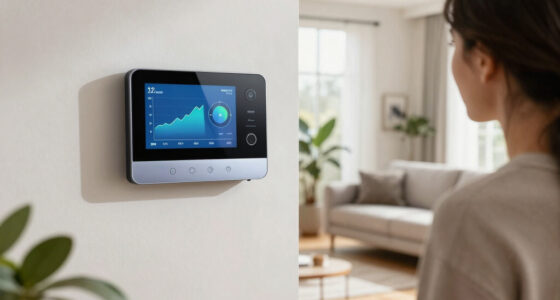
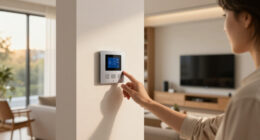
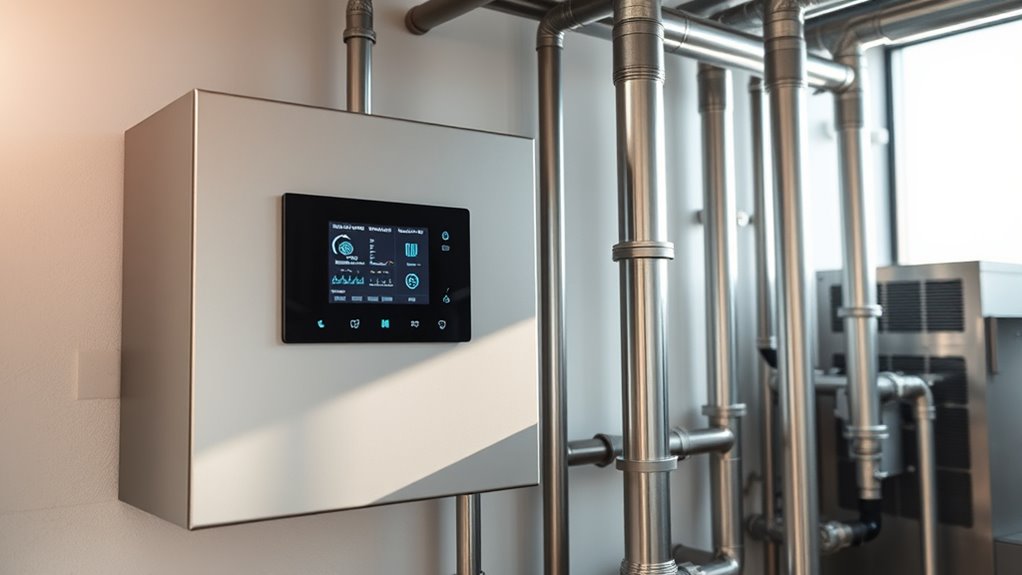
Variable-speed HVAC systems can markedly reduce your energy consumption by adjusting their operation to match your building’s exact heating and cooling needs. Unlike traditional systems that run at full blast or turn off entirely, variable-speed units modulate their fan and compressor speeds. This precise control means you only use the energy necessary to maintain a comfortable environment, cutting down on waste. When paired with smart thermostats, these systems become even more efficient. A smart thermostat learns your schedule and preferences, optimizing system performance without you needing to manually adjust settings. This synergy ensures your HVAC runs only when needed, and at the right level, saving you money on energy bills.
Variable-speed HVAC systems adapt to your needs, saving energy and reducing bills when paired with smart thermostats.
Humidification plays a critical role in comfort and energy efficiency, and variable-speed systems excel at humidity control. Maintaining ideal humidity levels prevents the air from becoming too dry or too moist, which can cause discomfort and increase energy use. When humidity is properly managed, your space feels more comfortable at lower temperatures, reducing the need for the system to work harder to heat or cool. Variable-speed units can finely tune their operation to keep humidity in check, ensuring consistent comfort. This responsiveness not only enhances your indoor air quality but also reduces strain on the system, prolonging its lifespan and further decreasing energy consumption.
Because variable-speed systems operate more smoothly, they often produce less noise than traditional models. Their ability to run at lower speeds means they don’t cycle on and off as often, reducing wear and tear and eliminating the loud start-up sounds familiar with conventional HVAC units. Additionally, the energy savings from these systems compound over time, especially when combined with smart thermostats that can automatically adjust temperatures based on occupancy and outdoor conditions. This automation allows your system to operate at ideal efficiency, minimizing unnecessary energy use.
Furthermore, the continuous operation at variable speeds ensures a more stable indoor temperature and humidity level, reducing temperature swings and hot or cold spots. This consistent environment means you don’t need to overcompensate with higher thermostat settings, which can lead to increased energy consumption. Instead, your HVAC system works in harmony with your comfort preferences, making small adjustments that add up to significant savings over the long term. Overall, integrating a variable-speed HVAC with smart controls and humidity management provides an all-encompassing approach to energy efficiency, helping you lower your utility bills while maintaining a comfortable, healthy indoor environment.
A key benefit of these systems is their ability to operate more efficiently in different seasons, adapting to changing weather patterns to optimize energy use year-round.

Optimizing HVAC Systems with Variable Speed Drives: A Comprehensive Guide
As an affiliate, we earn on qualifying purchases.
As an affiliate, we earn on qualifying purchases.
Frequently Asked Questions
How Do Variable-Speed Systems Affect Indoor Air Quality?
Variable-speed systems improve indoor air quality by maintaining consistent airflow and better air filtration, reducing dust, allergens, and pollutants. They also offer precise humidity control, preventing mold growth and excess moisture. With these capabilities, you experience cleaner, healthier air and a more comfortable environment. Plus, their ability to adapt speed ensures your HVAC system runs efficiently, enhancing overall air quality without sacrificing energy savings.
What Are the Initial Costs Versus Long-Term Savings?
Your initial costs for variable-speed HVAC systems are higher due to advanced technology and installation expenses. However, a thorough cost analysis reveals significant long-term savings through reduced energy bills and fewer maintenance needs. This investment offers a quicker investment return over time, making it cost-effective. While upfront costs may seem steep, the energy efficiency and durability of these systems ultimately lead to substantial savings and improved comfort.
Are Variable-Speed HVAC Systems Compatible With Existing Infrastructure?
Imagine fitting a sleek, modern engine into an older car—that’s what integrating a variable-speed HVAC system into your existing infrastructure can feel like. Compatibility issues and retrofit challenges may arise, especially if your current system isn’t designed for such upgrades. While some components may need replacing or adjustments, many systems are adaptable, but you’ll want to consult a professional to guarantee seamless compatibility and avoid surprises down the road.
How Do These Systems Impact Noise Levels Compared to Traditional Units?
You’ll notice that variable-speed HVAC systems reduce noise levels compared to traditional units. Their quieter operation results from adjusting motor speeds gradually, leading to significant noise reduction and improved sound levels. This means you experience less disruptive noise during operation, creating a more comfortable environment. Overall, these systems are designed to achieve better noise reduction, making them an excellent choice if you want a quieter, more peaceful indoor space.
What Maintenance Is Required for Variable-Speed HVAC Systems?
You need to regularly replace filters to keep your variable-speed HVAC system running efficiently. Additionally, schedule refrigerant checks to ensure peak performance and prevent leaks. Keep an eye on system filters and replace them every 1-3 months, depending on usage. Routine maintenance like cleaning coils and inspecting electrical connections also helps prolong your system’s lifespan. Staying on top of these tasks will ensure your system operates smoothly and efficiently.
Conclusion
Switching to a variable-speed HVAC system is like upgrading from a bike to a sports car—you get to where you’re going faster and more efficiently. Imagine saving enough energy each year to power your home comfortably while also reducing your carbon footprint. Just as a master chef finely tunes their ingredients, these systems optimize performance, cutting costs and energy use. Embrace this technology, and you’ll see savings grow just as reliably as the sun rises each morning.