Regularly changing your air purifier’s filters keeps the device working efficiently and guarantees you breathe cleaner air. Over time, filters trap dirt, dust, and pollutants, but they become less effective as they clog. If you ignore filter changes, your purifier will struggle to perform, possibly causing mold or bacteria growth and increasing energy use. Staying on top of this maintenance helps protect your health and extends your device’s lifespan—discover more tips for proper upkeep.

Get home appliances delivered free with Prime
- Fast, free delivery on millions of items
- Prime Video, Amazon Music and more included
- Member-only deals all year
Key Takeaways
- Regular filter changes maintain optimal air purifier performance and indoor air quality.
- Dirty filters can cause decreased airflow, reducing device efficiency and effectiveness.
- Replacing filters prevents bacterial and mold growth, ensuring a healthier environment.
- Timely filter maintenance extends the lifespan of the air purifier and saves energy.
- Ignoring filter replacement can lead to higher energy costs and potential mechanical damage.
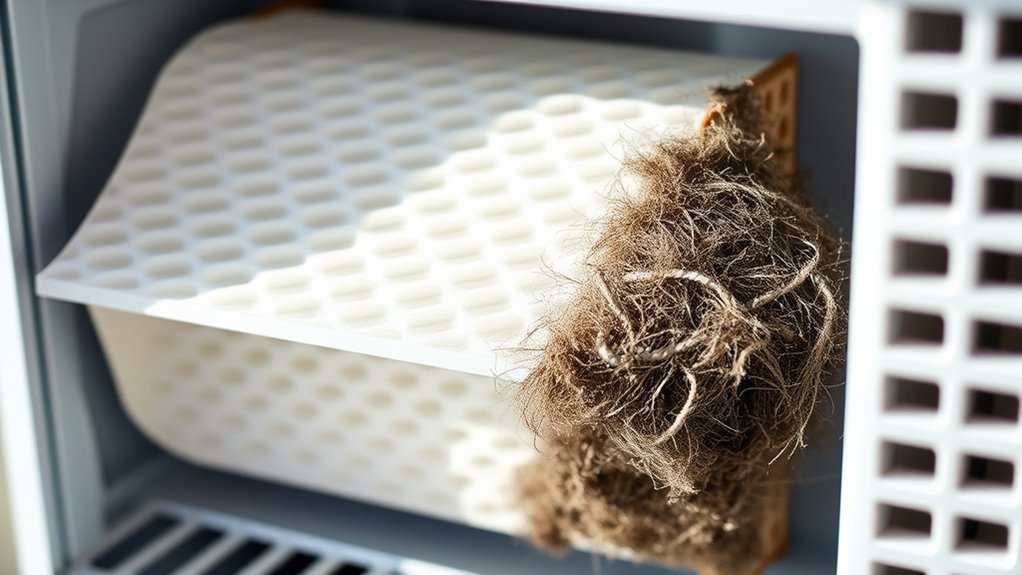
Have you ever wondered when to change your air purifier filters? Knowing the right time to swap out those filters is essential for beneficial maintenance of your device and ensuring it works efficiently. Air purifier filters don’t last forever, and ignoring their lifespan can lead to reduced performance, decreased air quality, and even increased energy consumption. By staying on top of filter changes, you keep your purifier operating at its best, protecting your health and prolonging the device’s longevity.
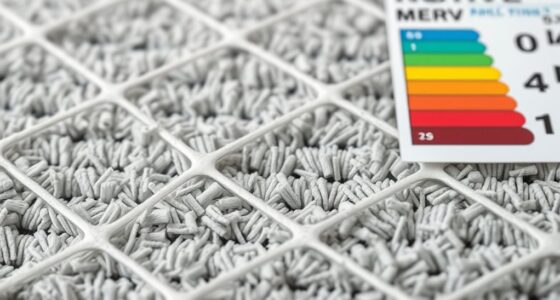
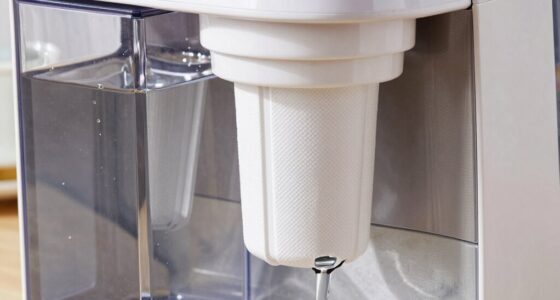
Most manufacturers recommend changing filters every three to six months, but this can vary based on your environment. If you live in a densely polluted area or have pets, your filters will likely need more frequent replacements. Conversely, in a cleaner, less dusty setting, you might stretch the interval a bit longer. Regularly checking your filters is a good habit, as it helps you gauge their condition visually or by smell. When filters become visibly dirty, clogged, or emit a musty odor, it’s time for a replacement. This proactive approach ensures that you’re not waiting until the filter is entirely blocked, which can diminish airflow and strain your air purifier.
Replace filters every 3-6 months, more often with pets or pollution; check for dirt or odors regularly.
Changing filters at appropriate intervals is beneficial maintenance that considerably impacts your indoor air quality. Dirty filters can harbor dust, allergens, bacteria, and mold spores, which are then recirculated into your living space. Proper maintenance includes timely filter replacements, providing cleaner, healthier air for you and your family. Additionally, when filters are clean, your air purifier operates more efficiently, consuming less energy and reducing wear and tear on its internal parts. This not only saves you money on electricity but also extends the overall lifespan of your device.
To maximize the filter lifespan, always follow the manufacturer’s guidelines and recommendations. Many units include indicator lights that signal when it’s time to change the filter. If yours doesn’t have such a feature, marking your calendar or setting reminders can help you stay consistent. Proper maintenance, including timely filter replacements, prevents buildup that can cause mechanical issues or reduce airflow. It’s a simple step that yields big benefits – better air quality, lower energy costs, and a longer-lasting air purifier.
air purifier replacement filters
As an affiliate, we earn on qualifying purchases.
As an affiliate, we earn on qualifying purchases.
Frequently Asked Questions
Can I Clean or Reuse the Filters Instead of Replacing Them?
You shouldn’t clean or reuse filters instead of replacing them. Filter cleaning might seem like a good idea, but it usually doesn’t fully remove trapped dust, allergens, or bacteria. Reusing filters can reduce air purifier efficiency and might even release pollutants back into the air. To keep your air clean and safe, always follow the manufacturer’s recommendations and replace filters regularly, rather than attempting filter reuse.
How Do I Know if My Filter Has Reached Its Lifespan?
You can tell if your filter has reached its lifespan by checking the indicator lights on your air purifier, which often alert you when it’s time to replace the filter. Additionally, if you notice a decrease in air quality or airflow, it’s a sign the filter may be clogged or overdue for a change. Regularly inspecting your filter and monitoring indicator lights guarantee peak performance and cleaner air.
Are There Specific Filters Better for Allergy Sufferers?
If you’re battling sneezes and watery eyes, go for HEPA filters—they’re like the superheroes of allergen removal. They trap tiny particles that trigger allergies, giving you relief from dust, pollen, and pet dander. While some filters claim to do the job, HEPA filters are proven to be the best for allergy sufferers. So, upgrade your air purifier and breathe easier—your nose will thank you!
What Are the Environmental Impacts of Disposing Used Filters?
When you dispose of used air purifier filters, you might unknowingly contribute to environmental harm through pollutant release. To minimize this, consider filter recycling programs that safely process and repurpose filters. Proper disposal reduces landfill waste and prevents harmful chemicals from leaching into the environment. By being mindful, you help lower your carbon footprint and support eco-friendly practices, ensuring cleaner air both indoors and outdoors.
Do Different Air Purifier Brands Have Different Filter Replacement Needs?
You’ll find that different air purifier brands do have varied filter replacement needs. It’s a coincidence that some brands prioritize longer filter lifespans, while others focus on quick replacements. Always check brand compatibility because using the wrong filter can reduce efficiency and damage your device. By understanding each brand’s specific recommendations, you ensure maximum performance, saving you money and maintaining cleaner air in your space over time.
Conclusion
Keeping your air purifier’s filters clean is like giving your home a gust of fresh air, but neglecting them is like inviting pollutants to take up residence. Just as a fresh breeze lifts your spirits, regular filter changes ensure your air stays pure and healthy. Don’t let clogged filters trap you in a haze; instead, embrace clear, clean air. After all, a little maintenance now keeps discomfort and allergens at bay, letting you breathe easier every day.
Cold & flu season Picks
humidifiers
As an affiliate, we earn on qualifying purchases.