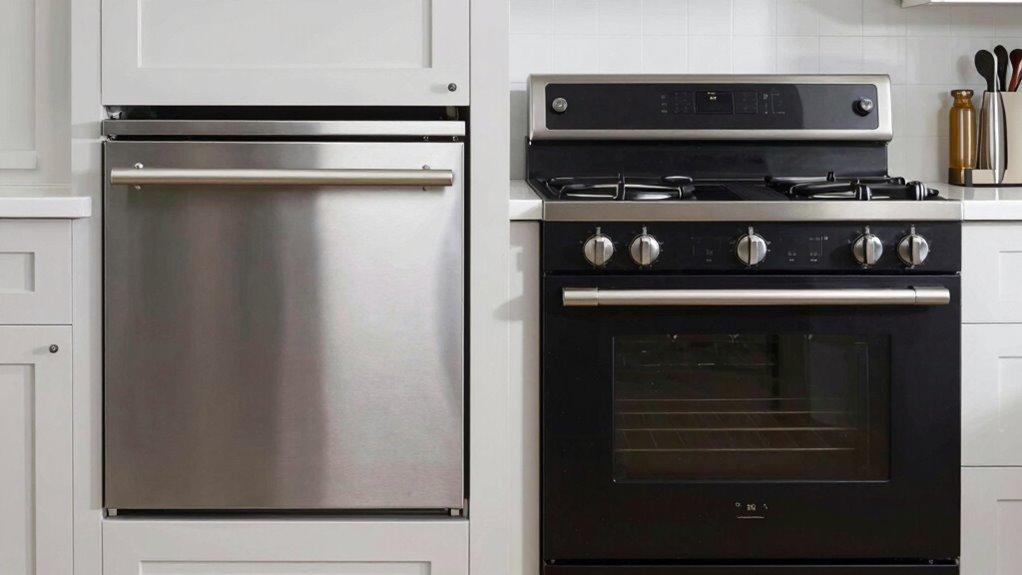

When choosing between slide-in and freestanding ranges, you may find that installation surprises can impact your kitchen’s look and setup. Slide-in models require precise measurements, custom cutouts, and careful leveling, which could add time and costs. Freestanding units are easier and quicker to install but may not blend as seamlessly. If you’re curious about how these differences affect your space and want tips to avoid surprises, keep exploring your options.

Get home appliances delivered free — and shop member deals
- Fast, free delivery on millions of items
- Access to Prime Big Deal Days deals on October 6–7
- Prime Video, Amazon Music and more included
Key Takeaways
- Slide-in ranges require precise measurements, custom cutouts, and potentially cabinetry adjustments for proper installation.
- Freestanding ranges are easier to install, simply sliding into place and connecting power or gas lines without extensive modifications.
- Installing slide-in units often involves careful leveling and alignment to avoid gaps or uneven surfaces.
- Freestanding models typically offer a straightforward setup, making DIY installation more feasible and less time-consuming.
- The installation complexity of slide-in ranges can increase costs and time, whereas freestanding units provide more flexibility and simplicity.
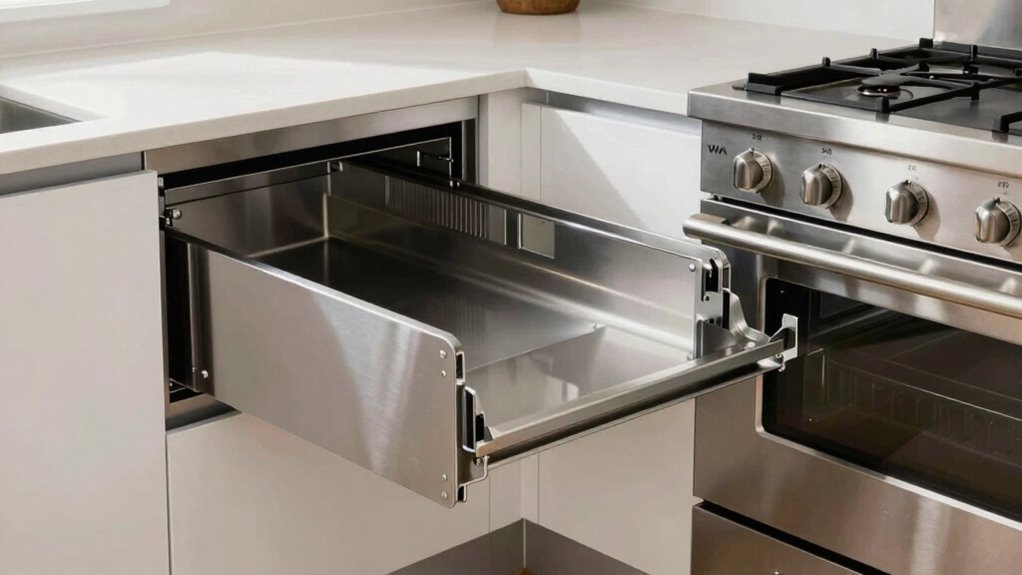
Choosing between a slide-in and a freestanding range depends on your kitchen’s layout and your cooking needs. If you’re aiming for a sleek, built-in look, a slide-in range might seem ideal, but be prepared for some installation challenges. Slide-in ranges are designed to sit flush with your countertops, creating a seamless, integrated appearance. However, this aesthetic integration often requires precise measurements and specialized installation, which can be tricky if your existing cabinetry or countertops aren’t perfectly aligned. You might need custom trim kits or adjustments to your cabinetry, adding to the complexity and cost. On the other hand, freestanding ranges are more forgiving when it comes to installation. They come with finished sides and a back panel, allowing you to place them anywhere in your kitchen without extensive modifications. This flexibility makes them a popular choice for many homeowners, especially if you’re replacing an existing unit or working within a limited budget.
When considering installation challenges, think about how much work you’re willing to do or hire someone to do. Slide-in ranges often require precise cutouts in your countertops and careful alignment to ensure that the unit sits perfectly flush with your cabinets. Misalignment can lead to gaps, uneven surfaces, or a less polished look. If your kitchen isn’t perfectly level or if your existing cabinetry isn’t designed for a slide-in, you might face additional challenges. Conversely, freestanding ranges are straightforward to install because they’re built to stand alone. You simply slide them into place, secure if necessary, and connect the power or gas line. This ease of installation can save you time and money, especially if you’re doing the work yourself or hiring a professional for a quick setup.
Aesthetic integration is another key factor. Slide-in ranges look more modern and integrated, making your kitchen appear more cohesive and custom-designed. This sleek profile can elevate the overall aesthetic, especially in open-concept or contemporary kitchens. Freestanding ranges, while practical, don’t offer the same seamless look. They tend to stand out more as standalone appliances, which might clash with a more built-in design. However, their versatility allows for easier placement and replacement, making them a practical choice if you prioritize functionality over a perfectly integrated appearance. Additionally, heat distribution and performance can vary slightly between the two types, influencing your long-term satisfaction. Ultimately, your decision will hinge on how much effort you’re willing to invest in installation challenges and whether aesthetic integration or flexibility takes precedence in your kitchen design.
As an affiliate, we earn on qualifying purchases.
Frequently Asked Questions
Can Slide-In Ranges Be Installed Without Custom Cabinetry?
Yes, slide-in ranges can be installed without custom cabinetry, but it depends on your existing setup. You might face installation challenges if your current cabinets aren’t designed to accommodate the slide-in’s dimensions. To guarantee a smooth process, measure carefully and consult with a professional. While you might avoid custom cabinetry, be prepared for potential adjustments or modifications to your current setup for a seamless fit.
Do Freestanding Ranges Require Additional Countertop Clearance?
Yes, freestanding ranges do require additional countertop clearance beyond their width for proper installation and ventilation. You should check the specific installation requirements for your model, but generally, you’ll need extra space at the back and sides to accommodate airflow, safety, and ease of use. Failing to provide adequate countertop clearance can lead to installation issues and affect the range’s performance and safety.
Are Slide-In Ranges Compatible With Existing Venting Systems?
Think of slide-in ranges as puzzle pieces; they can fit seamlessly if your venting system is compatible. Many slide-in ranges are designed with built-in venting compatibility, simplifying installation. However, some models may face installation challenges if your existing venting system isn’t compatible or requires modifications. Always check the manufacturer’s specifications to guarantee your current venting setup aligns, making the process smoother and avoiding unexpected surprises.
How Do These Ranges Differ in Cleaning and Maintenance?
You’ll find slide-in ranges easier to clean because their flat top allows for more seamless oven cleaning, with fewer crevices to trap dirt. Freestanding ranges might require more maintenance tips, like regularly wiping down the surfaces and checking the oven seals. Both types benefit from routine oven cleaning to keep them in top shape, but slide-in models often have a sleek design that makes maintenance a little simpler overall.
What Safety Features Are Unique to Each Range Type?
You’ll find that built-in safety features are common in both range types, but appliance sensors are more often integrated into slide-in ranges. These sensors detect overheating or malfunctions, automatically shutting off the appliance to prevent accidents. Freestanding ranges may have basic safety features like child locks or anti-tip devices, but slide-ins often include more advanced sensors, offering enhanced security and peace of mind during use.
Conclusion
Choosing between a slide-in and freestanding range is like picking the right suit—you want it to fit seamlessly and suit your style. I once helped a homeowner realize that a slide-in range, much like a tailored jacket, offers a sleek, built-in look that elevates your kitchen’s design. Remember, the right choice isn’t just about looks; it’s about how it fits your cooking habits and space. Make your decision confidently, and enjoy a kitchen that truly feels like yours.
Evergreen bestsellers Picks
bestsellers
As an affiliate, we earn on qualifying purchases.