
The Matter smart home standard makes it easier for your devices to work smoothly together, improving voice control, security, and device management. It doesn’t change your devices’ core features or automatically upgrade existing hardware without support. Instead, it focuses on reliable communication across brands and platforms. If you want to discover how this new standard affects your smart home setup and what stays the same, keep exploring the details.

Get home appliances delivered free — and shop member deals
- Fast, free delivery on millions of items
- Access to Prime Big Deal Days deals on October 6–7
- Prime Video, Amazon Music and more included
Key Takeaways
- Matter improves device interoperability, making it easier to add and control smart home devices across brands.
- It enhances security with end-to-end encryption but doesn’t automatically update existing devices.
- Matter streamlines voice control, allowing assistants like Alexa and Google to recognize more devices reliably.
- It doesn’t change device core features or functionalities; it focuses on communication and control protocols.
- Compatibility may require firmware updates or new hardware, as existing devices aren’t automatically upgraded.
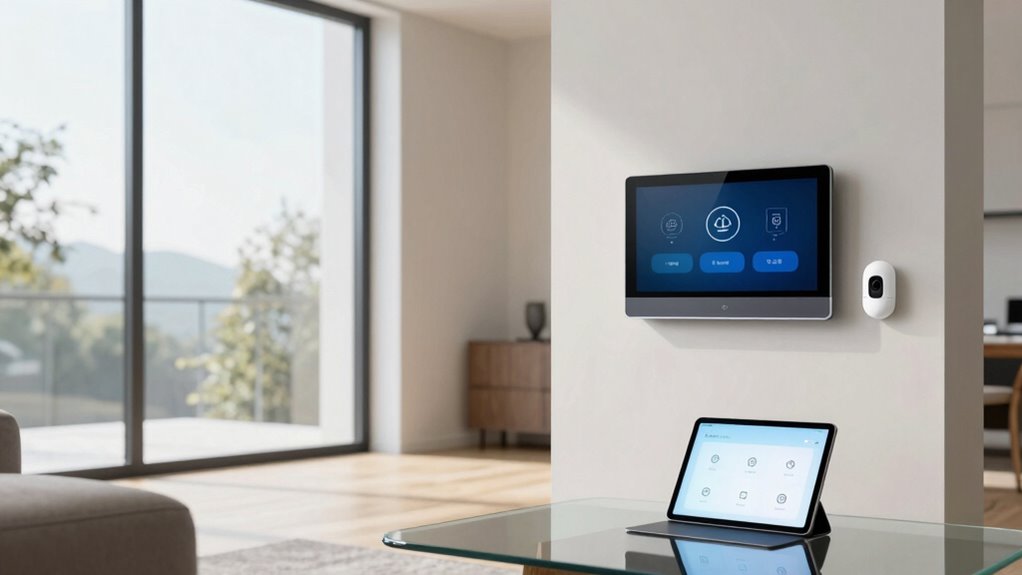
Have you ever wondered how your smart home devices work seamlessly together? It often feels like magic when you can control your lights, thermostat, and security cameras with just your voice or a tap on your phone. The secret behind this smooth integration is a standard that guarantees different devices can communicate effectively. The Matter smart home standard aims to simplify this process, making your smart home more reliable and easier to manage. When devices adhere to Matter, they use common communication protocols, so you don’t have to worry about compatibility issues or multiple apps cluttering your device list. This means you can quickly add new devices without fuss, knowing they’ll work seamlessly with your existing setup.
One major change that Matter introduces is in how voice control interacts with your devices. Previously, you might have needed separate apps or skills for each product, which could be frustrating and confusing. Now, with Matter, voice assistants like Alexa, Google Assistant, or Siri can recognize and control a wider range of devices more consistently. You’ll find that issuing commands becomes more straightforward because the standard guarantees devices respond reliably to your voice. This uniformity enhances user experience, making voice control more natural and less prone to errors. Additionally, Matter emphasizes security protocols, which is vital for protecting your privacy. The standard enforces robust security measures, such as end-to-end encryption and secure device onboarding, so your devices are less vulnerable to hacking or unauthorized access. You can have peace of mind knowing that your smart home isn’t just convenient but also safe. Furthermore, understanding the importance of industry standards like Matter can help you make informed choices when upgrading or adding new devices.
However, it’s important to recognize what Matter doesn’t change. While it streamlines communication between devices and enhances compatibility, it doesn’t automatically upgrade your existing gadgets. Devices need to support the Matter standard, which may require firmware updates or new hardware. Also, Matter doesn’t overhaul the core functionalities of your devices; it simply ensures they can work together more effectively. For example, a smart lock still functions as a lock, and a security camera still records footage. The standard enhances how these devices communicate and are controlled, but it doesn’t add new features or change their fundamental capabilities.
Matter compatible smart home devices
As an affiliate, we earn on qualifying purchases.
As an affiliate, we earn on qualifying purchases.
Frequently Asked Questions
Will Matter Improve Device Security and Privacy?
Yes, Matter will improve device security and privacy. It mandates strong device encryption, ensuring your data stays protected during transmission. Additionally, Matter enforces strict privacy protocols, limiting data sharing with third parties. By standardizing security measures across devices, you’ll find it easier to trust your smart home setup. Overall, these enhancements help safeguard your privacy and keep your devices secure from unauthorized access.
How Will Matter Impact Existing Smart Home Ecosystems?
Like opening Pandora’s box, Matter aims to unify your smart home, easing interoperability challenges. You’ll find that it smooths integration across devices, reducing consumer adoption barriers. However, existing ecosystems may face hurdles in full compatibility, requiring updates or replacements. While some devices may seamlessly shift, others might need time or additional support. Ultimately, your smart home becomes more cohesive, but you’ll need patience as these changes unfold.
Is Matter Compatible With All Smart Home Devices?
Yes, Matter is designed for broad device compatibility, so most new smart home devices should work seamlessly. It enables cross-platform integration, meaning you can connect devices from different brands and ecosystems without hassle. However, some older or proprietary devices might not yet support Matter, so check device specifications. Overall, Matter aims to simplify your smart home setup by making device compatibility more universal and easier to manage.
What Is the Rollout Timeline for Matter-Certified Products?
Think of the rollout schedule for Matter-certified products like the dawn of a new day—bright and promising. By mid-2024, you’ll see many devices with device certification hitting the market, making your smart home more seamless. Major brands are accelerating their efforts, so expect a steady stream of compatible products throughout 2024. Keep an eye out, because the smart home revolution is just beginning to unfold!
Will Matter Increase Smart Home Device Prices?
Yes, Matter could slightly increase smart home device prices initially due to price implications from standard adoption. However, as market competition grows and manufacturers scale production, costs are likely to decrease over time. Your best bet is to expect some early premium products, but in the long run, the standard should help make devices more affordable and compatible, benefiting consumers like you with better options and simpler integration.
Conclusion
So, after all the fuss about Matter making your smart home more unified, don’t get your hopes too high. It’s supposed to solve compatibility issues, but it still leaves some gaps. Ironically, even with this new standard, you might find yourself still juggling different devices and apps. Maybe the true smart home upgrade isn’t the standard at all—it’s realizing that tech progress rarely makes things simpler. Sometimes, the more things change, the more they stay complicated.
NFL season / tailgating Picks
team gear
As an affiliate, we earn on qualifying purchases.