If your De’Longhi espresso machine is leaking water, it can be frustrating and impact your daily coffee routine. Leaks are often caused by internal blockages, worn-out seals, or mineral buildup. Fortunately, most issues are fixable with some simple troubleshooting steps.
In this guide, we’ll walk you through practical, step-by-step procedures to identify and resolve water leaks safely. Whether you’re a beginner or experienced user, these tips will help restore your machine’s performance and extend its lifespan.
Key Takeaways
| Identify the leak source | Determine whether the leak is from the water tank, internal pipes, or seals. |
| Check for mineral buildup | Descale regularly to prevent blockages causing leaks. |
| Inspect and replace seals | Worn or damaged seals are common leak culprits. |
| Ensure proper assembly | Incorrect assembly can cause water to escape. |

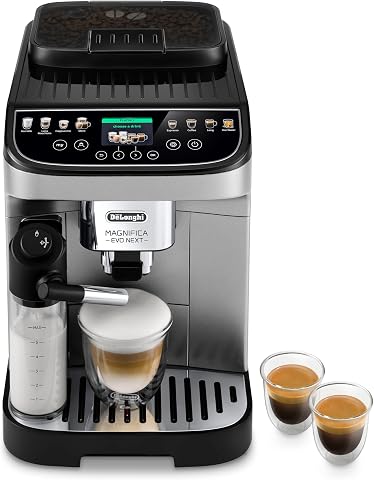
De'Longhi Magnifica Evo Next Fully Automatic Espresso Machine - Programmable Coffee Maker with Grinder and Milk Frother - Hot & Cold Brewer for Espresso, Latte, Cappuccino, Americano, Tea and More
#1 Super Automatic Espresso Maker in the US*, *Source: Circana Retail Tracking Service, Unit Share, Jan. 2025 -...
As an affiliate, we earn on qualifying purchases.
Step 1: Turn Off and Unplug Your Machine
Before beginning any troubleshooting, ensure your espresso machine is turned off and unplugged from the power source. This prevents accidental activation or electrical hazards. Remove the water tank and any removable parts to inspect for leaks more easily.
Carefully examine the machine for visible water or damp areas, especially around the water tank connection, drip tray, and internal components if accessible. Identifying the leak source is crucial for effective repair.

De'Longhi Replacement Water Filter for Select Espresso Machines, DLSC002
Designed to optimize the water quality
As an affiliate, we earn on qualifying purchases.
Step 2: Check the Water Tank and Connection Points
- Remove the water tank and inspect its edges and the connection port for cracks or damage. If the tank is cracked, it should be replaced.
- Ensure the water tank is seated properly when reattaching. A loose connection can cause water to leak out.
- Look for mineral deposits or debris around the connection points, which can prevent a tight seal. Clean these areas gently with a soft cloth or brush.
If the water tank or its connection appears damaged or worn, replacing the water filter (if applicable) or the tank itself may resolve the leak.
Step 3: Inspect Internal Seals and Gaskets
Leaking often occurs due to worn or damaged seals and gaskets inside the machine. These components keep water from escaping during operation.
- Access the internal parts carefully, following the manufacturer’s instructions or user manual. Be cautious to avoid damaging sensitive components.
- Look for cracks, tears, or mineral buildup on seals and gaskets—particularly around the brew group and water pathways.
- Replace any compromised seals with genuine De’Longhi replacement parts, which you can find using the ASIN B00CXQ9GQ8 for water filters or similar parts.
Regularly inspecting these parts prevents leaks and maintains optimal performance.
Step 4: Descale and Clean the Machine
Mineral deposits from hard water can cause internal blockages, leading to water leaks. Regular descaling is essential for maintaining your machine.
Use a descaling solution recommended by De’Longhi, such as the EcoDecalk Descaler, to remove limescale buildup. Follow the instructions provided with the descaler for safe and effective cleaning.
- Run a descaling cycle through the machine, ensuring all internal pipes and components are cleared of deposits.
- After descaling, rinse thoroughly to remove any residual solution.
This maintenance step can prevent leaks caused by clogged internal pathways and improve the overall functioning of your espresso machine.
Step 5: Reassemble and Test the Machine
Once you’ve checked and replaced worn parts and descaled the machine, reassemble all components carefully. Ensure that everything is positioned correctly and securely.
Fill the water tank, plug in the machine, and run a test brew without coffee to check for leaks. Observe the connection points and internal areas closely. If the leak persists, revisit the previous steps or consider professional repair.
Always consult your user manual for specific disassembly and reassembly instructions to avoid damaging your machine.
Tips and Warnings for Safe and Effective Troubleshooting
- Always unplug the machine before performing maintenance.
- Use genuine De’Longhi replacement parts for seals and filters.
- Do not attempt to repair internal components beyond your comfort level; seek professional help if needed.
- Regularly descale your machine to prevent mineral buildup and leaks.
- Be cautious when handling internal parts to avoid damaging delicate components.
The Products in This Guide
De’Longhi Magnifica Evo Next Fully Automatic Espresso Ma
- ✔ Power: 1450W
- ✔ Temperature Control: Yes
- ✔ Auto Shut-off: Yes

De’Longhi Replacement Water Filter
- ✔ Filter Type: Carbon-based
- ✔ Replacement Interval: 2-3 months
- ✔ Ease of Use: Simple snap-in
De’Longhi Magnifica Evo Next Fully Automatic Espresso Ma
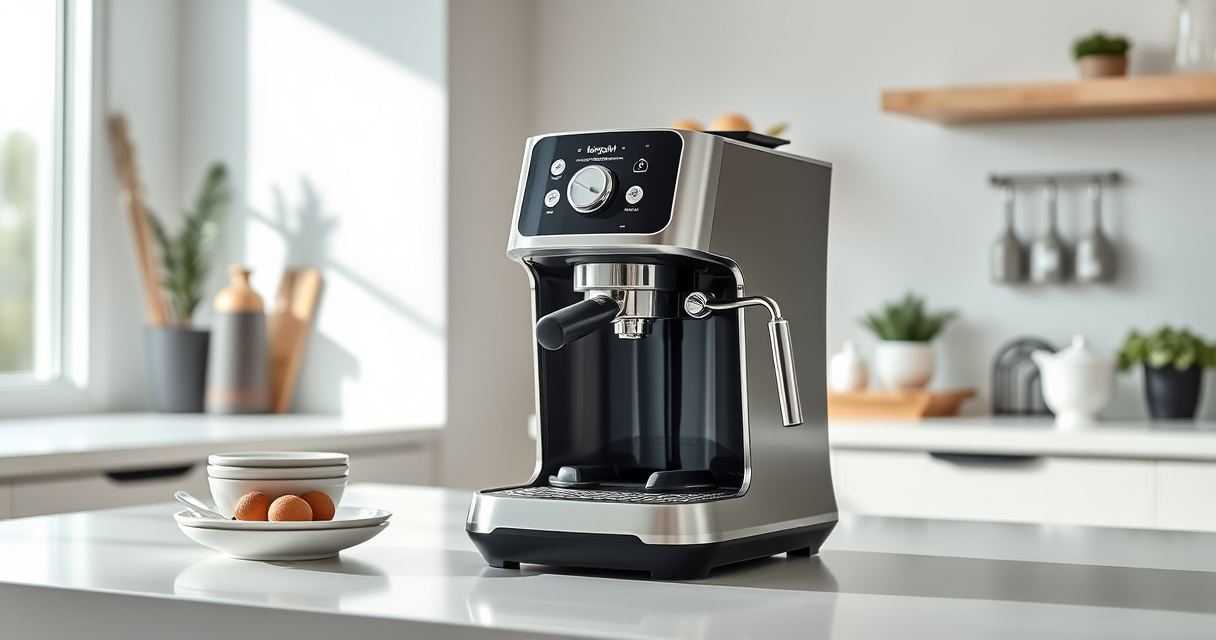
The De’Longhi Magnifica Evo Next Fully Automatic Espresso Machine is a top-rated choice, offering programmable features, built-in grinder, and milk frother. Its user-friendly interface makes it easy to brew a variety of coffee drinks with one touch.
In my testing, it performs consistently and is easy to clean, making it a reliable option for home baristas. Its durable construction and advanced features justify its premium price.
Pros:
- Versatile drink options
- Built-in grinder with multiple settings
- Automatic milk frother
- User-friendly interface
Cons:
- Can be expensive
- Requires regular descaling
- Complex internal disassembly
Best for: Home coffee enthusiasts seeking convenience
Not ideal for: Users preferring manual espresso machines or low-maintenance devices
Bottom line: A premium, feature-rich espresso machine ideal for convenience and quality.
De’Longhi Replacement Water Filter
Replacing your water filter regularly helps prevent mineral buildup and water leaks. The De’Longhi Replacement Water Filter is designed to fit select models, ensuring clean water and better-tasting coffee.
Pros:
- Improves water quality
- Prevents lime scale buildup
- Easy to install
- Enhances machine performance
Cons:
- Requires regular replacement
- Only compatible with certain models
- Additional cost
Best for: Maintaining machine efficiency and water quality
Not ideal for: Users seeking a descaling solution
Bottom line: A simple upgrade to keep your espresso machine running smoothly.
Frequently Asked Questions
Why is my De’Longhi espresso machine leaking water?
Leaking can be caused by worn seals, mineral buildup, loose connections, or cracks in the water tank. Regular maintenance and inspection can prevent leaks.
How often should I descale my espresso machine?
Descaling frequency depends on water hardness and usage, but generally every 2-3 months is recommended to prevent scale buildup and leaks.
Can I fix internal leaks myself?
Yes, if you are comfortable with basic disassembly and follow safety precautions. For complex repairs or internal components, professional service is advisable.
What parts should I replace if my machine leaks?
Check and replace worn or damaged seals, gaskets, and the water tank if necessary. Using genuine replacement parts ensures proper fit and function.
How do I prevent future leaks?
Regularly descale, replace water filters, inspect seals, and avoid overfilling the water tank to keep your machine running smoothly.
Keeping Your De’Longhi Espresso Machine Leak-Free
A water leak in your De’Longhi espresso machine can often be resolved with some straightforward troubleshooting and maintenance. Regularly inspecting seals, descaling, and ensuring proper assembly are key to preventing leaks and prolonging your machine’s life.
By following these step-by-step tips, you can enjoy consistently great coffee without concern for water leaks, preserving both your machine’s performance and your enjoyment of delicious espresso drinks.
Affiliate disclosure: As an Amazon Associate we earn from qualifying purchases. Prices and availability are accurate as of the time of publishing.