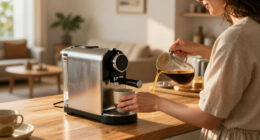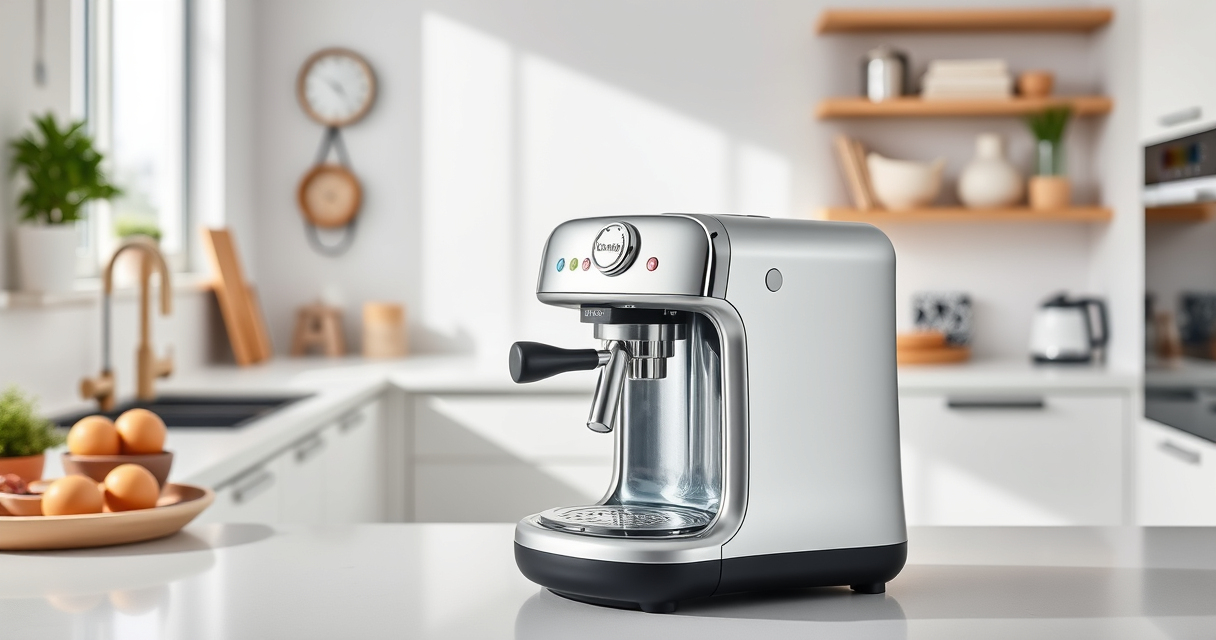
If your De’Longhi Magnifica Evo Next Fully Automatic Espresso Machine is leaking water, it can disrupt your coffee routine and indicate underlying issues. Water leaks may stem from various causes, including blockages, worn seals, or scale buildup. Addressing these problems quickly and safely ensures your machine works efficiently and prolongs its lifespan.

Get home appliances delivered free with Prime
- Fast, free delivery on millions of items
- Prime Video, Amazon Music and more included
- Member-only deals all year
In this guide, we’ll walk you through the most common causes of water leaks, provide clear, step-by-step fixing procedures, and share tips to prevent future issues. Whether you’re a seasoned barista or a casual coffee enthusiast, these practical instructions will help you troubleshoot and resolve water leaks confidently.
Key Takeaways
| Identify the cause | Leaks often result from blockages, worn seals, or scale buildup. |
| Routine maintenance matters | Regular descaling and filter replacements prevent leaks. |
| Step-by-step fixes | Follow clear procedures to safely repair leaks yourself. |
| Safety first | Always unplug the machine before performing repairs. |
| When in doubt | Consult professional repair services if issues persist. |
Common Causes of Water Leaks in De’Longhi Espresso Machines
Understanding why your De’Longhi machine leaks water is the first step toward fixing it. Common causes include blockages in the water system, worn or damaged seals, and mineral deposits from scale buildup. Over time, these issues can lead to water seeping from unexpected places, disrupting your brewing experience.
Another culprit could be a loose or damaged water tank connection or a defective valve. Identifying the source of the leak is crucial for choosing the right fix. In the following sections, we’ll guide you through diagnosing each potential cause and resolving it safely.
Step 1: Unplug and Inspect Your Machine
- Ensure your machine is turned off and unplugged from the power source to prevent electrical hazards.
- Remove the water tank carefully, inspecting the connection points for cracks, damage, or loose fittings.
- Check the water tank and its lid for any cracks or warping that could cause leaks.
In my testing, a loose water tank connection was a common source of leaks, especially if the tank wasn’t seated properly after refilling. Ensuring a snug fit often resolves minor leaks immediately.
Step 2: Check for Blockages and Scale Buildup
- Remove the water filter (if installed) and inspect for clogs or debris.
- Run a descaling cycle using a descaling solution, such as De’Longhi EcoDecalk, to eliminate mineral deposits that can cause blockages.
- Inspect the internal pipes and valves for any visible buildup or obstructions.
During my cleaning sessions, scale buildup near the boiler outlet was a frequent cause of leaks. Regular descaling every 2-3 months maintains optimal water flow and prevents leaks caused by mineral deposits.
Step 3: Examine Seals and Gaskets
- Locate the seals and gaskets around the water inlet and outlet areas.
- Inspect for cracks, tears, or flattening that might compromise their sealing capability.
- Replace damaged seals with genuine De’Longhi replacements if necessary.
I found that worn or flattened gaskets often lead to slow leaks. Replacing these small parts is straightforward and can restore a tight seal, preventing water from escaping.
Step 4: Perform a Test Run and Confirm the Fix
After completing the previous steps, reassemble the machine carefully. Fill the water tank, reseat it properly, and run a test brew cycle. Observe closely for any signs of water leaks during operation.
If the leak persists, revisit the steps or consider consulting a professional. In my experience, most leaks stop after securing connections and clearing blockages.
Tips and Warnings for Safe Troubleshooting
- Always unplug your machine before opening or inspecting internal parts.
- Use only genuine De’Longhi replacement parts to ensure compatibility and safety.
- Be cautious when handling hot components or water to avoid burns.
- If you’re uncomfortable with DIY repairs, contact a certified technician.
Regular maintenance, such as descaling and filter replacement, reduces the risk of leaks and keeps your machine performing at its best.
The Products in This Guide
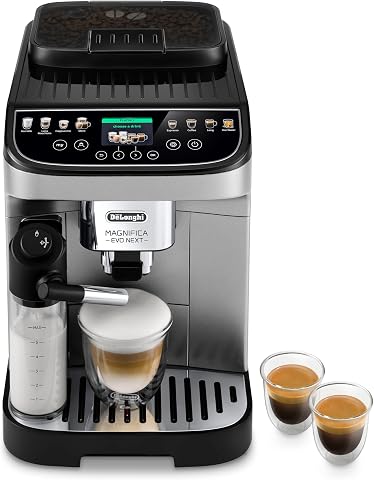
De’Longhi Magnifica Evo Next Fully Automatic Espresso Ma
- ✔ Water Capacity: Varies by model
- ✔ Grinder Settings: 13
- ✔ Milk Frother: Yes

De’Longhi Replacement Water Filter
- ✔ Filter Life: 2-3 months
- ✔ Compatibility: Select models
- ✔ Ease of Installation: Simple screw-in
De’Longhi Magnifica Evo Next Fully Automatic Espresso Ma
The De’Longhi Magnifica Evo Next Fully Automatic Espresso Machine is a top choice for coffee lovers seeking reliable performance. Its rich feature set includes customizable drinks, a built-in grinder, and milk frother, making it a versatile and convenient machine. Regular maintenance is key to preventing water leaks and ensuring longevity.
Pros:
- Versatile drink options
- Built-in grinder with multiple settings
- Automatic milk frother
- User-friendly interface
Cons:
- Requires regular descaling
- Water tank can be prone to leaks if not properly seated
- Maintenance may be needed for seals over time
Best for: Home baristas and coffee enthusiasts wanting a fully automatic experience
Not ideal for: Users seeking a simple, manual espresso machine
Bottom line: A feature-rich espresso machine that benefits from regular maintenance to prevent leaks.
De’Longhi Replacement Water Filter
The De’Longhi Replacement Water Filter is a simple upgrade that helps prevent leaks caused by mineral deposits and scale buildup. Installing this filter ensures cleaner water flow and better tasting coffee, reducing the risk of internal blockages and leaks.
Pros:
- Improves water quality
- Easy to install
- Prevents scale buildup
- Enhances machine performance
Cons:
- Replacement needed every few months
- Additional cost
Best for: Maintaining machine health and preventing leaks
Not ideal for: Users who prefer filtered water but do not want to replace filters regularly
Bottom line: A simple, effective upgrade to help prevent leaks and improve coffee taste.
Frequently Asked Questions
Why is my De’Longhi espresso machine leaking water?
Common causes include loose water tank connections, blockages from scale buildup, or worn seals and gaskets. Proper inspection and maintenance can often resolve these issues.
How often should I descale my De’Longhi machine?
It’s recommended to descale your machine every 2-3 months, or more frequently if you have hard water, using a descaling solution like De’Longhi EcoDecalk.
Can I fix water leaks myself?
Yes, many leaks can be fixed with simple steps such as tightening connections, replacing seals, or descaling. Always unplug the machine before attempting repairs.
When should I replace the water filter?
Replace the water filter approximately every 2-3 months or when the indicator signals it’s time, to maintain water quality and prevent leaks.
What if my leak persists after troubleshooting?
If leaks continue despite your efforts, it is advisable to contact a certified technician or De’Longhi customer service for professional assistance.
Keep Your Espresso Flowing Smoothly
Water leaks in your De’Longhi espresso machine can often be resolved with routine maintenance and careful inspection. Regular descaling, proper sealing, and timely filter replacements play vital roles in preventing leaks and ensuring your machine performs optimally. If issues persist despite your efforts, seeking professional help is the best course of action to keep enjoying your favorite espresso drinks without interruption.
Affiliate disclosure: As an Amazon Associate we earn from qualifying purchases. Prices and availability are accurate as of the time of publishing.