
When you use a bread machine, it automatically kneads your ingredients with paddles to develop gluten and create a smooth dough. Then, it shifts to a warm environment to let the dough rise and expand as yeast produces gases. Finally, the machine bakes the bread to form a crust and soft interior. If you want to understand the precise process behind each step, keep exploring how these modern appliances work.
Key Takeaways
- Bread machines automatically combine kneading, rising, and baking cycles for hands-free bread making.
- Kneading develops gluten and dough elasticity through paddle rotation during the initial cycle.
- The machine creates a warm environment for dough to rise, allowing yeast fermentation and gas expansion.
- Sensors monitor dough consistency, adjusting kneading and rising times for optimal texture.
- The baking stage uses controlled heat to form crust and finish cooking the bread inside the machine.
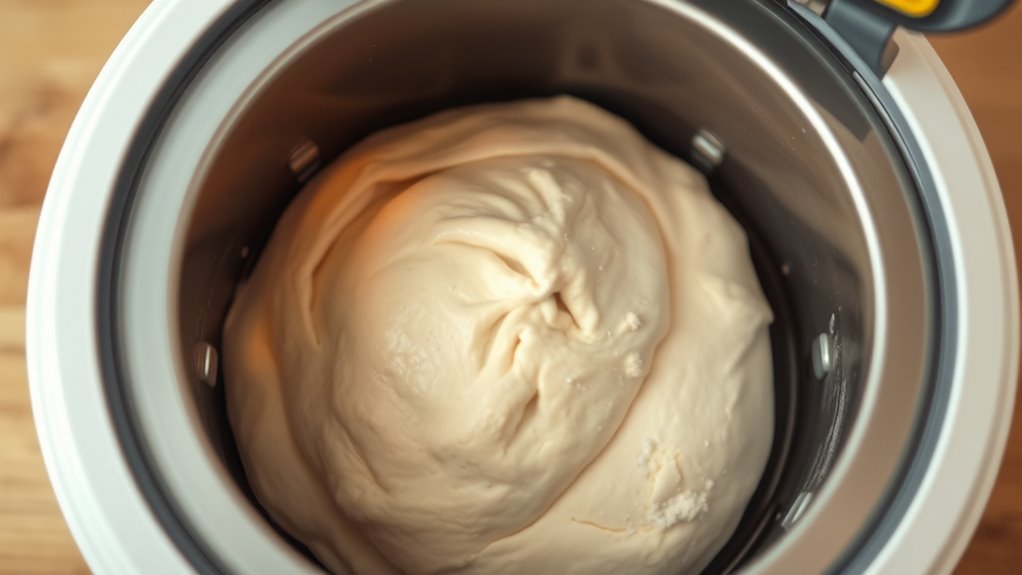
Bread machines simplify the process of making fresh bread at home by combining all the necessary steps into one automated device. When you use a bread machine, you don’t have to worry about kneading dough by hand or monitoring the rising process constantly. Instead, the machine handles each stage seamlessly, giving you the smell and taste of homemade bread with minimal effort. One of the key advantages of bread machines is their ability to accommodate ingredient variations. Whether you prefer gluten-free flour, whole wheat, or add-ins like nuts and dried fruits, the machine’s settings can often be adjusted to suit these changes. This flexibility allows you to experiment with flavors and textures, creating customized loaves that match your preferences. Over the years, the bread machine history has evolved from bulky, basic models to sophisticated appliances with advanced features. Early bread machines were quite simple, with limited settings and manual controls, but they laid the groundwork for the modern versions we see today. Now, many machines come with programmable options, delay timers, and multiple crust settings, making it easier for you to plan ahead and get freshly baked bread exactly when you want it.
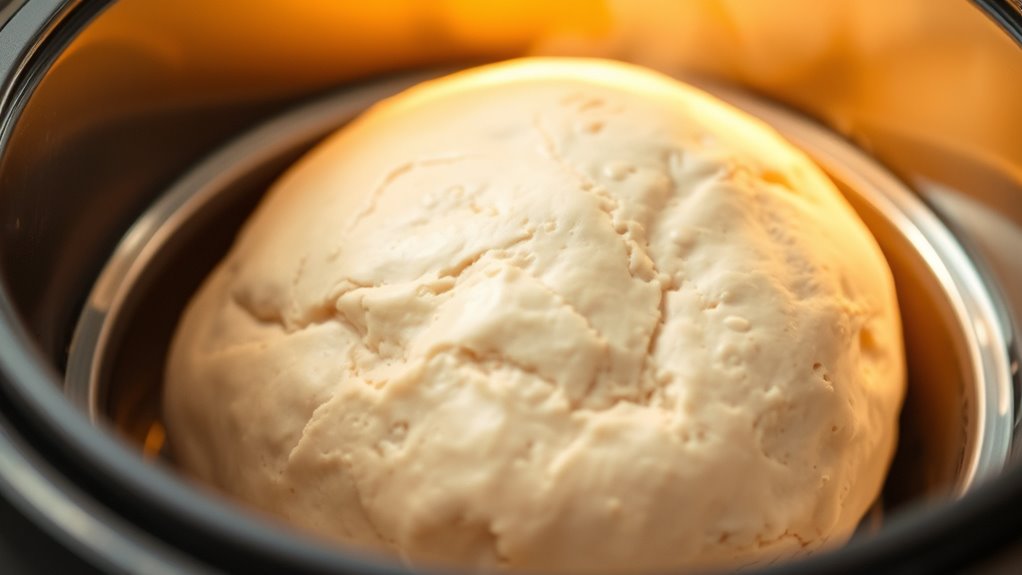
Inside the bread machine, the process begins with you adding ingredients into the pan—flour, water, yeast, salt, and any extras you desire. Once you select your program, the machine’s heating element and paddles start working. The first stage is kneading, where the paddles mix and develop the gluten in the dough, creating that elastic consistency needed for good bread. During kneading, the machine’s sensors monitor the dough’s texture, adjusting as necessary to ensure proper development. After kneading, the machine pauses to let the dough rise, or proof, in a warm environment created by the built-in heater. This rising phase allows the yeast to produce gases, causing the dough to expand and develop flavor. Depending on your chosen program, the machine then transitions into the baking stage. The heat from the element cooks the dough thoroughly, forming a crispy crust while keeping the inside soft and airy.
Throughout this process, the bread machine’s design and technology work together to maximize efficiency and consistency. It’s like having a professional baker at your fingertips, capable of handling ingredient variations and adjusting for different types of bread. Thanks to the evolution in bread machine history, these appliances are more user-friendly and versatile than ever before. By automating kneading, rising, and baking, they allow you to enjoy fresh, homemade bread with ease and confidence, even if you’re new to baking.
Frequently Asked Questions
Can Bread Machines Make Gluten-Free Bread?
Yes, you can make gluten-free bread in a bread machine, but you need to make sure your machine is compatible with gluten-free ingredients. Not all bread machines handle gluten-free dough well, as they may require different kneading or rising settings. Use a gluten-free recipe designed for bread machines, and check your machine’s manual to confirm it can handle the unique textures and ingredients involved in gluten-free baking.
How Do I Troubleshoot Uneven Baking Results?
Imagine you’re in the 21st century with your smart device—troubleshooting uneven baking is straightforward. First, check for ingredient substitution issues that might affect heat distribution. Confirm you’re using the correct baking temperature; too high or low can cause uneven results. Also, verify that ingredients are evenly mixed before baking. Adjust the baking cycle if needed, and consider rotating the bread halfway through to promote uniform baking.
What’s the Best Way to Store Bread Made in a Machine?
To store bread made in a machine, you should keep it in an airtight container or plastic bag to maintain bread storage and freshness preservation. Store it at room temperature for up to two days, or freeze slices for longer storage. Avoid refrigerating, as it can dry out the bread. When ready to eat, reheat or toast for the best taste and texture.
Are There Specific Settings for Different Types of Bread?
Yes, your bread machine has specific settings for different bread types. You should modify the bread machine settings based on the bread type you’re making, such as whole wheat, gluten-free, or sweet bread. These settings automatically adjust kneading, rising, and baking times to suit each bread type. Always check your recipe and select the appropriate bread type adjustment on your machine to ensure perfect results.
How Do I Clean and Maintain My Bread Machine Properly?
Think of your bread machine as a garden that needs regular care. To keep it thriving, follow simple cleaning techniques like wiping the pan and kneading paddle after each use and avoiding abrasive cleaners. Maintenance tips include checking for loose parts and ensuring the lid seals properly. Regularly inspect and clean your machine to prevent buildup, ensuring it runs smoothly and bakes perfect loaves every time.
Conclusion
Now that you know how bread machines knead, rise, and bake, you’re equipped to turn simple ingredients into warm, fresh bread. Think of your machine as a silent chef, working tirelessly behind the scenes, transforming your efforts into delicious results. With just a little patience and understanding, you’ll find baking bread becomes less of a chore and more of a loved tradition. So, why not let your bread machine work its magic and enjoy the comforting aroma of homemade bread?