A pressure cooker quickly reaches high temperatures by sealing in steam and increasing internal pressure, which raises the boiling point of water above 212°F (100°C). This allows the cooker to generate temperatures around 250°F (121°C) or higher, speeding up cooking times. The sealed environment also guarantees even heat transfer and prevents energy from escaping. Curious about how all these safety features work together? Keep exploring to learn more.
Key Takeaways
- Sealed environment traps steam, increasing internal pressure and raising the boiling point of water above 212°F.
- Elevated pressure enables the cooker to reach temperatures of 250°F or higher, speeding up cooking.
- High pressure maintains consistent, high temperatures, allowing heat to transfer rapidly to food.
- Safety valves and locking lids ensure safe pressure buildup and prevent premature opening during cooking.
- Airtight seals conserve heat and moisture, maximizing energy efficiency and reducing cooking time.

Pressure cookers reach higher temperatures than traditional stovetop methods by trapping steam and increasing internal pressure. This design allows food to cook faster and more efficiently because the trapped steam raises the boiling point of water beyond 212°F (100°C). Instead of sticking with standard boiling temperatures, a pressure cooker can reach 250°F (121°C) or higher, depending on the pressure level. This elevated temperature is the key to quicker cooking times and better flavor retention. The core principle behind this is steam efficiency—by sealing in moisture and heat, the cooker maximizes heat transfer directly to the food, reducing cooking time considerably. The high-pressure environment means heat is transferred more effectively, breaking down tough fibers in meats and legumes faster than conventional methods. Additionally, the design of pressure cookers often incorporates inspirational safety features**** that promote confidence during use.
Safety mechanisms are essential in maintaining safe operation at these high temperatures. Modern pressure cookers are equipped with multiple safety features designed to prevent accidents. For example, most models include a pressure release valve that vents excess steam if pressure exceeds safe levels, preventing dangerous build-ups. Some units have locking lids that stay securely in place during cooking, ensuring the lid can’t be opened prematurely while the cooker is under pressure. Many also include pressure indicators that inform you when the cooker has reached the desired pressure and when it’s safe to open after cooking. These safety mechanisms work together to eliminate the risk of explosions or burns, giving you peace of mind during use.
The efficiency of steam during pressure cooking isn’t just about reaching high temperatures; it’s also about maintaining those temperatures consistently. The airtight seal helps preserve heat and moisture inside, ensuring that every bit of energy contributes to cooking. This means less energy is wasted, and your food is cooked evenly. Because the environment inside is so controlled, you don’t need to rely on high heat for long periods, which saves energy and preserves flavors and nutrients. The safety features ensure that this process remains safe and controlled, even at elevated temperatures.
In essence, pressure cookers achieve high temperatures quickly by harnessing the power of trapped steam and internal pressure. The combination of steam efficiency and robust safety mechanisms makes them a reliable, fast, and safe way to prepare a variety of dishes. With proper use and attention to safety features, you can enjoy the benefits of high-temperature cooking without worry. This technology transforms your kitchen experience by cutting down cooking times and enhancing the quality of your meals.
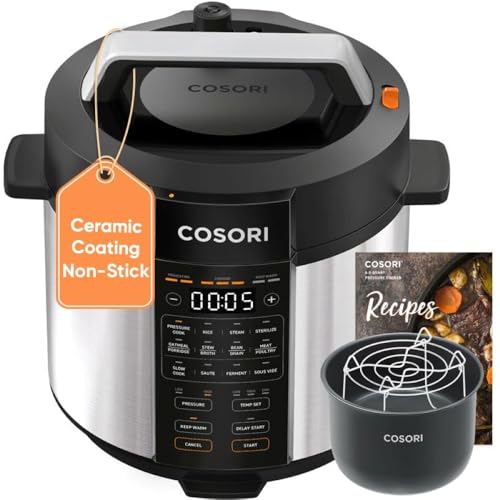
COSORI Pressure Cooker 6QT, Stainless Steel, 9-in-1 Multi Cooker, 12 Safety Features, Ceramic Inner Pot, Rice, Slow Cook, Sous Vide, Saute, 1100W
𝟵 𝗠𝗮𝗰𝗵𝗶𝗻𝗲𝘀 𝗶𝗻 𝟭: Pressure Cook, Rice, Steam, Sterilize, Oatmeal/Porridge, Stew/Broth, Bean/Grain, Meat/Poultry, Slow Cook, Sauté, Ferment, Sous…
As an affiliate, we earn on qualifying purchases.
As an affiliate, we earn on qualifying purchases.
Frequently Asked Questions
How Does the Pressure Inside the Cooker Affect Cooking Times?
The pressure inside your cooker directly impacts cooking times by increasing steam pressure, which raises the boiling point of water. When you regulate pressure properly, higher steam pressure speeds up heat transfer to your food, reducing cooking time. As pressure builds, temperatures climb faster, breaking down tougher ingredients more quickly. So, maintaining ideal pressure regulation is key to achieving faster, efficient cooking while ensuring safety.
Can Pressure Cookers Reach Temperatures Above 121°C (250°F)?
Yes, pressure cookers can reach temperatures above 121°C (250°F). You should stay within the pressure limits set by the manufacturer, as these are designed based on the cooker’s pressure and temperature sensors. These sensors monitor and regulate the internal environment, ensuring safe and efficient cooking. While most cookers operate around 15 psi, some specialized models can go higher, reaching temperatures up to 130°C (266°F).
What Safety Features Prevent the Pressure Cooker From Overheating?
You don’t need to worry about overheating because safety valves automatically release excess pressure to prevent dangerous buildup. Lid locks secure the lid firmly during cooking, ensuring it won’t open accidentally if pressure gets too high. These safety features work together to keep you safe by controlling internal temperature and pressure, so your pressure cooker operates efficiently without the risk of overheating or accidents.
How Does Altitude Impact Pressure Cooker Performance?
Altitude effects can make cooking at high elevations feel like climbing a mountain. As you go higher, the atmospheric pressure drops, so your pressure cooker needs to work harder to reach the same temperatures. You might need to increase cooking times or adjust pressure settings to guarantee your food cooks properly. Understanding altitude effects helps you adapt, making your pressure cooker an effective tool even when cooking at high elevations.
Are There Differences in Temperature Achievement Between Electric and Stovetop Models?
You’ll find that electric pressure cookers often deliver more consistent temperatures because they use electronic controls to maintain steady heat, whereas stovetop models rely on your stove’s heat regulation. Electric models typically reach and hold high temperatures more precisely, reducing fluctuations. Stovetop cookers may vary depending on your stove’s settings, but both can cook efficiently. Your choice depends on whether you prioritize consistent temperature control or flexibility with your heat source.

Presto 01362 6-Quart Stainless Steel Pressure Cooker
Chicken, fish, meat, and vegetables cook to perfection fast; Helps tenderize economical cuts of meat
As an affiliate, we earn on qualifying purchases.
As an affiliate, we earn on qualifying purchases.
Conclusion
Think of a pressure cooker as your culinary time machine, transforming tough cuts into tender masterpieces in a fraction of the time. Just like a rocket soars to new heights, it traps steam to reach temperatures beyond boiling, speeding up your cooking. Next time you’re in a hurry, remember that this kitchen marvel harnesses pressure to unseal flavors faster, proving that with the right tools, you can turn everyday cooking into an efficient, flavorful adventure.

Stainless Steel Pressure Cooker, 6.3 Quart Induction Compatible Pressure Cooker with Pressure Indicator Safeguard Devices,Compatible with Gas & Induction Cooker
✅[Cooks 50% faster than traditional cooking methods]-Our Pressure Cooker utilizes 11.6 PSI balanced pressure cooking to expedite food…
As an affiliate, we earn on qualifying purchases.
As an affiliate, we earn on qualifying purchases.
![8 Qt Pressure Cooker Stainless Steel, Pressure Cooker with One-Hand Locking, Dual Locking Safety System, [3-In-1]Compatible with Gas & Induction, Fast Cooking for Large Meals](https://m.media-amazon.com/images/I/41X03wr4LXL._SL500_.jpg)
8 Qt Pressure Cooker Stainless Steel, Pressure Cooker with One-Hand Locking, Dual Locking Safety System, [3-In-1]Compatible with Gas & Induction, Fast Cooking for Large Meals
【Fast & Efficient High-Pressure Cooking】 This pressure cooker cooks up to 70% faster than traditional pots. The high-pressure…
As an affiliate, we earn on qualifying purchases.
As an affiliate, we earn on qualifying purchases.