Make-up air is the fresh air that replaces the air removed by exhaust fans, preventing negative pressure inside your building. When you exhaust air without adding enough fresh air, it can cause drafts, uneven temperatures, and air quality issues. Many overlook that balancing exhaust with proper make-up air is essential for comfort and safety. If you want to understand how to get this balance right, there’s more to uncover about the venting rule most people miss.

Get home appliances delivered free with Prime
- Fast, free delivery on millions of items
- Prime Video, Amazon Music and more included
- Member-only deals all year
Key Takeaways
- Proper make-up air balances exhaust systems to prevent negative pressure and infiltration of unconditioned outside air.
- Many overlook the importance of matching make-up air volume with exhaust rates for effective ventilation.
- Inadequate venting can cause backdrafting, drafts, and reduced indoor air quality.
- Dynamic control systems can optimize make-up air flow based on real-time exhaust demands.
- Proper venting rules ensure energy efficiency, occupant comfort, and indoor environmental health.
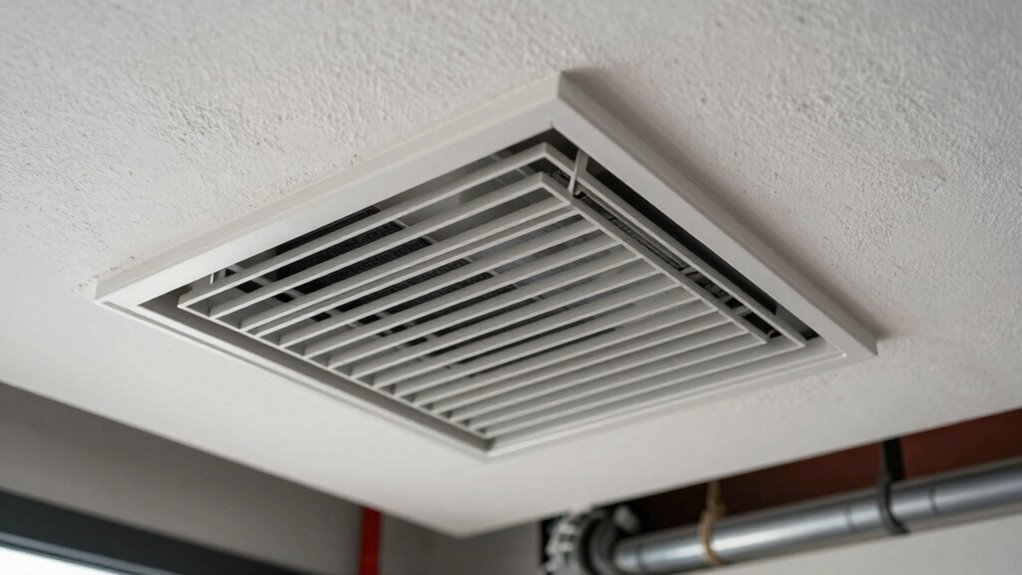
Make-up air is the fresh air brought into a building to replace air that’s exhausted or removed through ventilation, heating, or cooling systems. It’s a vital component in maintaining indoor air quality and guaranteeing your HVAC system functions properly. When you exhaust air from a space—whether through kitchen hoods, exhaust fans, or industrial processes—you create a negative pressure that needs to be balanced with fresh air. Without proper make-up air, your building can experience issues like backdrafting, stale air, and decreased ventilation efficiency. Properly managing make-up air also helps prevent the infiltration of unconditioned or contaminated outside air, which can impact comfort and safety. Understanding air exchange is key to appreciating why make-up air matters. Every time air is removed, a corresponding amount of fresh air must enter to maintain pressure balance. If it doesn’t, negative pressure builds up, pulling in unconditioned air or even harmful gases from outside or adjacent spaces. This imbalance can reduce ventilation efficiency because your system works harder to compensate for the lost air, leading to increased energy consumption and uneven temperature control.
Effective ventilation relies on a well-designed make-up air strategy. When you introduce make-up air appropriately, you’re ensuring consistent air exchange rates. This keeps indoor air fresh, reduces odors, and prevents the buildup of pollutants. Properly calibrated make-up air systems help maintain a steady flow of clean air, which supports occupant comfort and health. Conversely, inadequate make-up air can cause pressure imbalances, resulting in drafts, hot or cold spots, and inefficient operation of your HVAC system. Ensuring proper system design and controls are in place is essential for optimal performance. To maximize ventilation efficiency, you need to match the make-up air intake with the exhaust rate. If you’re venting a commercial kitchen or industrial space, this becomes especially important. Using sensors and controls, you can adjust the make-up air volume to respond dynamically to changes in exhaust demand. This ensures that air exchange remains consistent regardless of activity levels, preventing negative pressure from developing. When ventilation efficiency is high, your system uses less energy, and indoor air quality stays at excellent levels.
Products Worth Considering

Ring Alarm 14-Piece Wireless Security System Kit

Levoit Eleva 300X HEPA Air Purifier for Home and Bedroom

LEVOIT Vital 200S-P Smart Air Purifier for Large Rooms
As an affiliate, we earn on qualifying purchases.
Frequently Asked Questions
How Do I Calculate the Right Amount of Make-Up Air for My Space?
To calculate the right amount of make-up air for your space, start by determining the required air exchange rate based on your space’s use and size. Use ventilation rates specified for your type of building, usually measured in cubic feet per minute (CFM). Then, match that with your exhaust airflow. Ensuring proper balance prevents negative pressure, so you bring in enough make-up air to compensate for exhaust and maintain indoor air quality.
Can I Use Exhaust Fans Without Making up the Air?
You shouldn’t rely solely on exhaust fans without providing make-up air, as this compromises ventilation effectiveness and indoor air quality. Exhaust fans remove air but don’t replace it, leading to negative pressure and potential indoor air quality issues. To maintain good ventilation, guarantee you supply adequate make-up air, balancing air exchange, and keeping your indoor environment healthy and comfortable. Proper ventilation design is essential for peak indoor air quality.
What Are the Energy Implications of Installing Make-Up Air Systems?
Installing make-up air systems can impact your energy efficiency, as these systems often require additional heating or cooling to condition incoming air. However, proper system integration minimizes energy loss by coordinating with existing HVAC components, reducing overall energy consumption. While it may increase initial costs, well-designed make-up air systems enhance indoor air quality without substantially raising energy bills, making them a smart investment for maintaining balanced ventilation and efficiency.
Are There Specific Codes or Standards for Make-Up Air Ventilation?
You need to follow building codes and ventilation standards when installing make-up air systems. These regulations specify requirements for proper air intake, exhaust, and overall system performance to guarantee safety and efficiency. Local codes might vary, so always check with your authority having jurisdiction. Adhering to these standards helps prevent issues like backdrafting, poor indoor air quality, and energy waste, ensuring your system operates safely and effectively.
How Does Climate Affect Make-Up Air System Design?
Climate critically influences your make-up air system design by requiring climate adaptation to guarantee proper ventilation efficiency. In colder regions, you’ll need to incorporate heat recovery or preheating to prevent air from becoming too cold, while in hot, humid climates, dehumidification becomes vital. Adjusting your system to match local climate conditions guarantees effective air exchange, reduces energy costs, and maintains a comfortable, healthy indoor environment.
Conclusion
Understanding make-up air is essential for safe and efficient venting. When you overlook this critical aspect, you risk more than just inefficiency—you could be inviting trouble. Think of it as not crossing your t’s or dotting your i’s; missing these details can come back to bite you. So, pay close attention, follow the rules, and don’t let small oversights turn into big problems down the line. After all, it’s better to be safe than sorry.