Thermostats in electric heaters help you control your home’s temperature precisely by turning the heater on or off at set points, ensuring consistent comfort. They prevent overheating and optimize energy use, which can lower your utility bills while reducing environmental impact. Proper placement and settings make a big difference in efficiency, and modern thermostats offer smart features like remote control and adaptive learning. Keep exploring to discover how these advanced features can make your heating system smarter and more efficient.
Key Takeaways
- Thermostats regulate electric heater temperature by turning the device on or off at preset points.
- They prevent overheating and maintain consistent comfort levels in indoor spaces.
- Modern thermostats incorporate smart features like programmable schedules and remote control.
- Proper placement and settings of thermostats optimize energy efficiency and system performance.
- They help reduce energy waste, lower utility bills, and contribute to environmental sustainability.

Thermostats play a crucial role in electric heaters by controlling the temperature and guaranteeing efficient operation. When you set a thermostat, you’re telling your heater precisely when to turn on and off, preventing overheating and maintaining a comfortable environment. This process directly impacts temperature control, allowing you to keep your space at your desired temperature without constant adjustments. The more precise your thermostat, the better your ability to regulate heat, which translates into a more consistent and comfortable indoor climate. Additionally, modern thermostats often incorporate smart technology, enabling more advanced control options. Energy efficiency is another critical benefit that thermostats bring to electric heaters. By intelligently managing when the heater runs, a thermostat helps reduce unnecessary energy consumption. Instead of letting the heater operate nonstop, it turns off once your set temperature is reached, preventing wasteful energy use. This not only saves you money on your utility bills but also reduces your carbon footprint, making your home more eco-friendly. Modern thermostats often come equipped with features like programmable settings or adaptive learning, further enhancing energy efficiency by adjusting operation based on your daily routines and preferences. Understanding how your thermostat functions can help you maximize its benefits. For example, placing the thermostat in an ideal location—away from drafts, direct sunlight, or heat sources—ensures it measures the room temperature accurately. If your thermostat is poorly positioned, it might cause your heater to cycle on and off more frequently or run longer than necessary, undermining both comfort and efficiency. Additionally, setting the thermostat to a slightly lower temperature when you’re away or asleep can lead to significant energy savings without sacrificing comfort. Incorporating a well-designed thermostat into your electric heating system means you’re taking control of your home’s climate and energy use. A good thermostat not only maintains a comfortable environment but also minimizes energy waste, which benefits your wallet and the environment. With advances in technology, many thermostats now include features like remote access via smartphone apps, allowing you to adjust settings even when you’re not home. This level of control enhances your ability to optimize temperature control and energy efficiency, giving you peace of mind that your electric heater is working as effectively as possible. Ultimately, a dependable thermostat is a smart investment for your electric heater. It ensures you enjoy consistent comfort while keeping energy consumption in check. By understanding and leveraging its functions, you can create a more efficient, cost-effective heating system tailored to your lifestyle.

Breville Barista Express Espresso Machine BES870XL, Brushed Stainless Steel
The Breville Barista Express delivers third wave specialty coffee at home using the 4 keys formula and is...
As an affiliate, we earn on qualifying purchases.
Frequently Asked Questions
How Do Smart Thermostats Differ From Traditional Ones?
Smart thermostats differ from traditional ones by offering smart integration, allowing you to control your heater remotely via smartphone or voice commands. They feature a user interface that’s more intuitive, making it easier to set schedules and preferences. Unlike manual controls on traditional thermostats, smart versions adapt to your habits, optimize energy use, and provide real-time feedback, giving you greater convenience and efficiency in managing your electric heater.
Can Thermostats Improve the Energy Efficiency of Electric Heaters?
Yes, thermostats can improve the energy efficiency of electric heaters by providing precise temperature control, which helps you prevent unnecessary energy use. With smart thermostats, you can set schedules and adjust settings remotely, maximizing energy savings. This improved temperature control ensures your heater runs only when needed, reducing waste and lowering your energy bills while maintaining a comfortable environment.
Are There Compatibility Issues With Different Electric Heater Models?
Compatibility concerns can arise when you try to integrate different electric heater models with thermostats. You need to check if your heater’s specifications match the thermostat’s requirements, ensuring seamless model integration. Some thermostats might not work with certain models due to voltage differences, control systems, or design features. To avoid issues, verify compatibility upfront, read manufacturer instructions, and choose thermostats designed for your specific heater model.
How Often Should Thermostats Be Calibrated for Accuracy?
You should calibrate your thermostat at least once a year to guarantee accuracy verification. Regular calibration frequency helps maintain precise temperature control, preventing your heater from overheating or underperforming. If you notice inconsistent heating or temperature fluctuations, consider calibrating it more often. Proper calibration keeps your thermostat functioning at its best, saving energy and extending its lifespan. Always follow your manufacturer’s guidelines for specific calibration procedures and intervals.
Do Thermostats Require Professional Installation or Maintenance?
You don’t always need a professional for thermostat installation or maintenance, but following proper installation tips guarantees safety and accuracy. Regular maintenance schedules, like cleaning the thermostat and checking connections, help keep it functioning properly. If you’re unsure about installation or notice issues with temperature regulation, it’s wise to consult a professional. Properly maintained thermostats improve energy efficiency and comfort, so don’t skip routine checks and expert help when needed.

AMZCHEF Espresso Machine With Grinder, 190℉-201℉ Temp Control Coffee machine with 44 Grind Setting, Milk Frother, Touch Screen, Cold Brew, Sliver
190℉–201℉ Precision Temperature Control- Adjust brewing temperature from 190℉ to 201℉ to match different coffee beans and roast...
As an affiliate, we earn on qualifying purchases.
Conclusion
You now see how thermostats keep your electric heater efficient and comfortable. Did you know that using a thermostat can reduce energy consumption by up to 20%? That means saving money on bills while helping the environment. By setting your thermostat correctly, you maximize comfort and efficiency without wasting energy. So, next time you enjoy a warm room, remember that your thermostat plays a essential role in making it happen smoothly and sustainably.

Breville Barista Express Espresso Machine BES870BSXL, Black Sesame
The Breville Barista Express delivers third wave specialty coffee at home using the 4 keys formula and is...
As an affiliate, we earn on qualifying purchases.
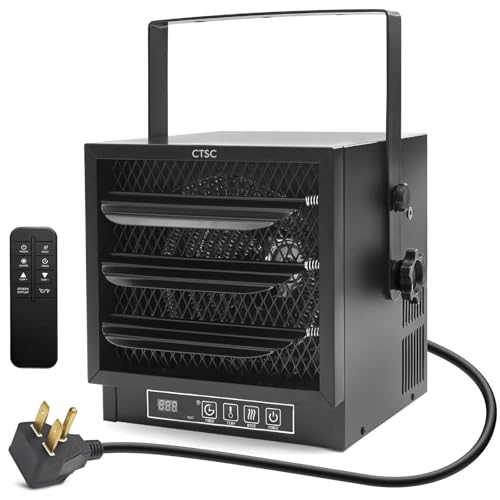
CTSC 4800W Garage Heater Electric, 240V/30Amps Plug - Fan-Forced Thermostat Control Electric Garage Heaters, with Remote Control, 10-Hour Timer, ETL Compliant,DOESN'T work with a standard home outlet
Important: This is a 240v garage heater, Plug-In NEMA #6-30P 30Amps standard Plug! Not suitable for a Regular...
As an affiliate, we earn on qualifying purchases.