To balance humidity and cut HVAC energy use, keep indoor levels between 30-50% humidity using dehumidifiers or exhaust fans in damp areas. Regularly monitor moisture with a hygrometer to avoid over-drying or dampness. Proper ventilation and sealing leaks also help maintain consistent humidity, easing your HVAC’s workload. Incorporating smart or adjustable devices ensures precise control. Keep exploring to learn more ways to optimize comfort and efficiency through humidity management.
Key Takeaways
- Use dehumidifiers or whole-house systems to maintain optimal humidity levels, reducing the workload on your HVAC.
- Regularly monitor indoor moisture with hygrometers to prevent over-humidification or dryness.
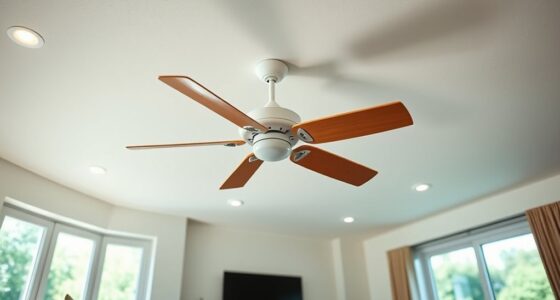
- Improve ventilation in damp areas with exhaust fans or open windows to decrease indoor humidity naturally.
- Seal leaks and insulate to prevent moisture intrusion and maintain consistent humidity levels efficiently.
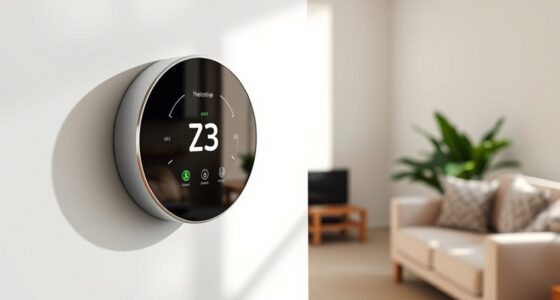
- Incorporate smart or adjustable humidity control devices into your HVAC system for automatic, energy-efficient regulation.
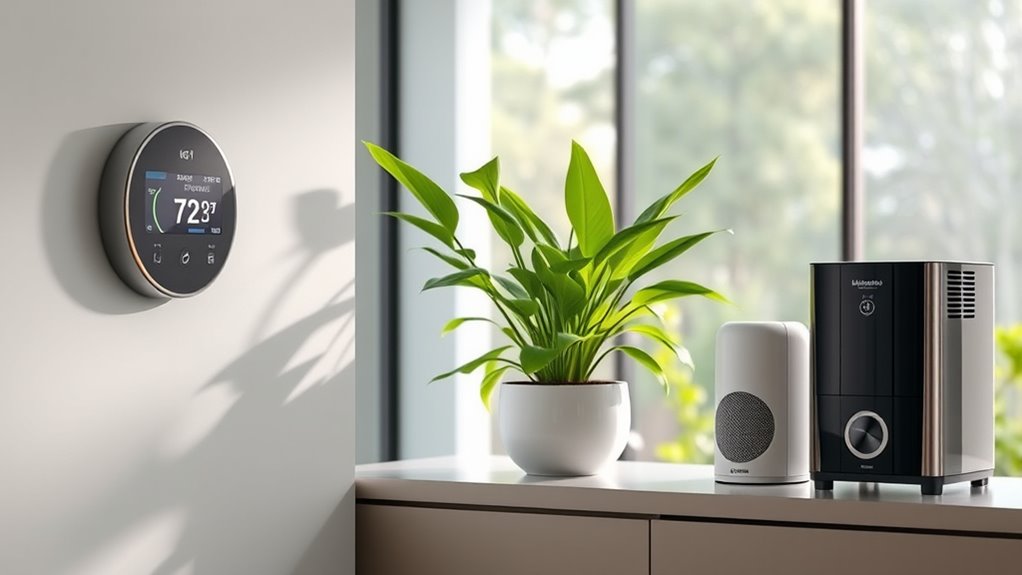
Maintaining the right level of humidity in your home is essential for comfort and health. When humidity levels are too high, it can make your space feel sticky, stuffy, and uncomfortable, while low humidity can lead to dry skin, irritated sinuses, and static electricity. To keep things balanced, you need to understand how to use dehumidification techniques effectively and select the right humidity control devices. These tools help you manage moisture levels, reducing the load on your HVAC system and ultimately lowering energy use.
Proper humidity control enhances comfort, health, and energy efficiency in your home.
One of the most straightforward ways to control excess moisture is by using dehumidification techniques. These can range from simple solutions like opening windows and using exhaust fans in bathrooms and kitchens to more advanced methods like installing a dedicated dehumidifier. A dehumidifier pulls excess moisture from the air, helping to maintain ideal humidity levels. It’s especially useful in basements or damp areas prone to mold and mildew. When you use a dehumidifier, you’ll notice your home feels more comfortable, and your HVAC system doesn’t have to work as hard to cool or heat the space. That means less energy consumption and savings on your utility bills.
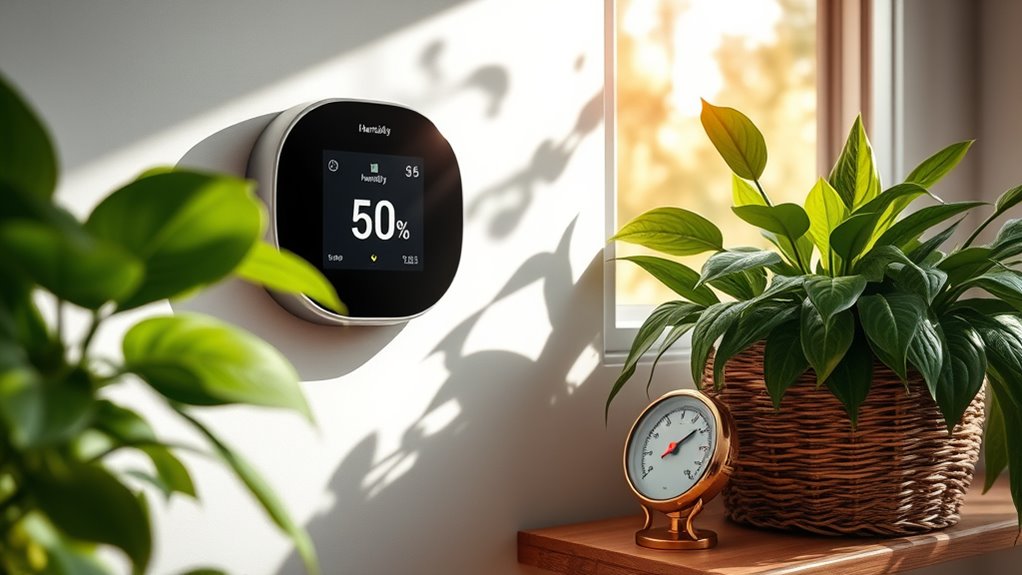
In addition to portable dehumidifiers, humidity control devices can be integrated into your home’s existing systems for more consistent results. Whole-house dehumidifiers, for example, connect directly to your HVAC system or ductwork, providing uniform moisture control across your entire home. These devices are particularly effective in climates with high humidity levels or in homes with persistent moisture issues. When choosing humidity control devices, look for models with adjustable settings so you can fine-tune the moisture levels to suit your comfort needs. Some advanced devices even feature smart technology that monitors indoor humidity and automatically adjusts operation, ensuring you maintain ideal conditions without constant manual intervention. Regularly monitoring indoor humidity with a hygrometer is also crucial in preventing over-drying or excess dampness, helping you maintain optimal comfort levels.
Proper humidity management not only enhances comfort but also reduces the workload on your HVAC system, which can lead to energy savings and prolonged equipment lifespan. By managing moisture levels effectively and understanding the importance of humidity control techniques, you create a healthier, more energy-efficient living environment that benefits both your comfort and your wallet.

PSOS Dehumidifier, Dehumidifiers for Home, 98 OZ Water Tank, (1000 sq.ft) Quiet Dehumidifier for Basement Bedroom Bathroom with Humidity Display, Auto Shut Off, Relaxing 7 Color Ambient Light(Gray)
【Upgrade High Efficient Home Dehumidifier】PSOS dehumidifier utilize dual semiconductor condensation technology, ensuring quiet operation while effectively extracting moisture…
As an affiliate, we earn on qualifying purchases.
As an affiliate, we earn on qualifying purchases.
Frequently Asked Questions
What Is the Ideal Indoor Humidity Level for Energy Efficiency?
You should aim for an indoor humidity level between 40-50% for energy efficiency. Use humidity sensors to monitor levels accurately, ensuring your HVAC system isn’t overworking. Regular dehumidifier maintenance keeps it running effectively, preventing excess moisture that can increase cooling costs. By maintaining ideal humidity, you reduce strain on your HVAC, lower energy bills, and create a more comfortable environment.
How Often Should I Check My Home’s Humidity Levels?
Imagine your home’s air as a gentle breeze—fresh and balanced. You should check your humidity levels weekly to catch any shifts. During these checks, make sure your dehumidifier is well-maintained and perform humidity sensor calibration if needed. Regular monitoring helps you maintain that comfortable, energy-efficient environment, preventing mold or excessive dryness. With consistent care, your home stays cozy and healthy, saving you energy and money every day.
Can Humidity Control Devices Save on HVAC Costs?
Humidity control devices like dehumidifiers can save you money on HVAC costs by reducing the workload on your system. They offer benefits such as maintaining ideal moisture levels and preventing mold growth. To maximize savings, ensure your humidity sensor accuracy is high, so the device operates only when needed. This targeted approach keeps your home comfortable and energy-efficient, lowering your utility bills over time.
What Are Signs of Incorrect Humidity Levels in My Home?
Ever notice musty odors or condensation on windows? These are signs your home’s humidity might be off. You may also see mold growth or feel dampness, which indicates high moisture levels. To prevent these issues, maintain your dehumidifier regularly and make certain proper ventilation. Correct humidity balances not only improve comfort but also prevent mold growth, keeping your home healthier and reducing the strain on your HVAC system.
How Does Humidity Affect HVAC System Lifespan?
Humidity levels directly impact your HVAC system’s lifespan. When humidity sensors detect high moisture, your system works harder, causing wear and tear. Proper moisture barriers help maintain consistent humidity, reducing strain. If humidity fluctuates or remains too high, components like compressors and filters endure extra stress, shortening their lifespan. By maintaining balanced humidity, you protect your HVAC investment, ensuring it runs efficiently longer and saves you money on repairs.

TempPro TP50 Digital Hygrometer Indoor Thermometer Room Thermometer and Humidity Gauge with Temperature Humidity Monitor(Previously ThermoPro)
Wellness Indicator: This humidity meter with humidity level icon indicates air conditions – DRY/COMFORT/WET, allowing this humidity sensor…
As an affiliate, we earn on qualifying purchases.
As an affiliate, we earn on qualifying purchases.
Conclusion
Balancing humidity isn’t just about comfort; it’s about efficiency, health, and savings. When you control humidity, you control energy use, you control indoor air quality, and you control your comfort. Keep humidity levels balanced to reduce HVAC strain, lower energy bills, and improve your home’s environment. Remember, balanced humidity means better comfort, better efficiency, and better health. So, stay vigilant, stay consistent, and enjoy the benefits of a well-maintained, energy-efficient home.
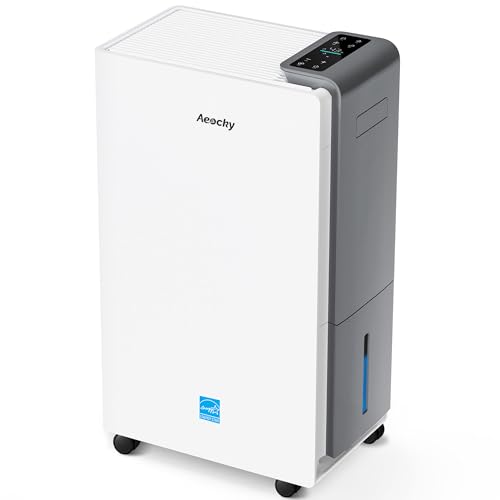
4500 Sq.Ft Energy Star Most Efficient 2025 Dehumidifier,AEOCKY Max 80 Pint/Day Smart Compressor Dehumidifier with Drain Hose, Intelligent Humidistat,for Basement,Bedroom,Home,Bathroom
【ENERGY STAR 25 ≠ ENERGY STAR Most Efficient 2025】Don't fall for competitors' word games. With only 2.6% of…
As an affiliate, we earn on qualifying purchases.
As an affiliate, we earn on qualifying purchases.

Govee Digital Hygrometer Indoor Thermometer Room H5075, Bluetooth Temperature Humidity Meter with 164ft Remote App Control, Notification Alerts, 2 Years Data Storage Export for Bedroom, Wine Cellar
Smart Features: The Govee Wireless Thermometer Hygrometer supports all basic functions as well as smart functions such as…
As an affiliate, we earn on qualifying purchases.
As an affiliate, we earn on qualifying purchases.