
To lower your kitchen’s energy use, start by turning off appliances when not in use and avoiding standby mode. Use the right-sized burners and keep lids on pots to cook more efficiently. Run dishwashers and laundry machines only when full, and during off-peak hours if possible. Regularly clean and maintain appliances to keep them running smoothly. Keep going to discover more simple tips to cut energy use and save on your bills.
Key Takeaways
- Turn off appliances completely when not in use, avoiding standby power consumption.
- Run dishwashers and laundry machines only with full loads for maximum efficiency.
- Use the right-sized burners and keep lids on pots to reduce cooking energy.
- Regularly clean and inspect appliances to ensure they operate efficiently.
- Schedule appliance use during off-peak hours to save energy and costs.
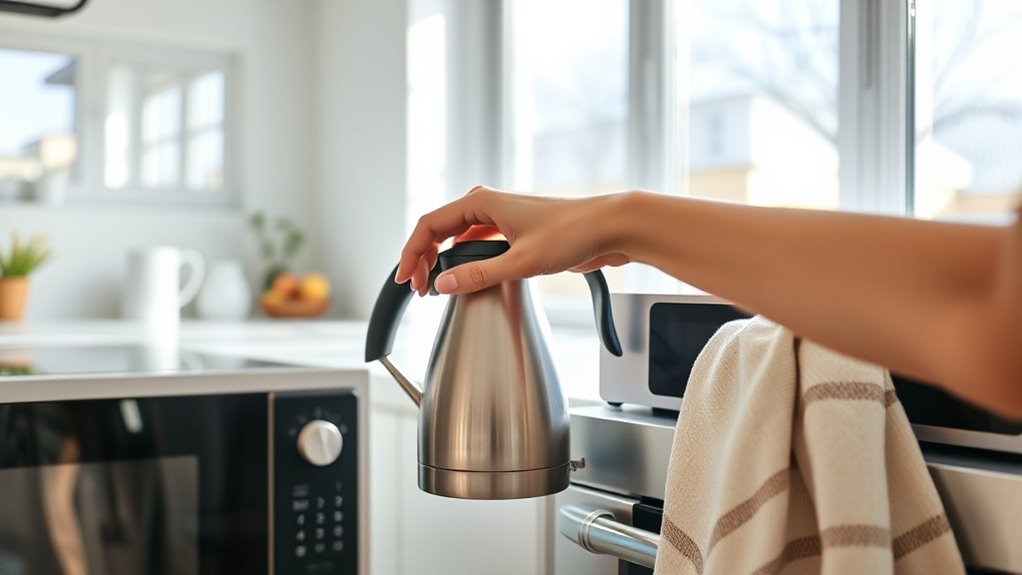
Reducing energy consumption in your kitchen doesn’t require complex upgrades or expensive equipment. Instead, you can make simple behavioral changes that markedly cut down on energy use. One effective way is to develop energy efficient habits, which involve conscious choices about how you operate your appliances. For example, always use the right-sized burner on your stove—using a small pot on a large burner wastes heat and energy. Similarly, try to cook multiple items at once when possible, so you make the most of the heat you generate. When you’re not actively using an appliance, such as your oven or microwave, turn it off instead of leaving it on standby, which still consumes energy.
Use the right-sized burners and cook multiple items at once to save energy.
Another key aspect is appliance maintenance. Regularly cleaning and inspecting your appliances ensures they run efficiently. For instance, a clean refrigerator coil allows heat to dissipate more effectively, reducing the energy needed to maintain cool temperatures. Check your dishwasher’s filter and spray arms periodically; clogged components force the machine to work harder, increasing energy use. For your oven, keep the door seals tight and clean to prevent heat from escaping, which helps it heat up faster and use less energy. Maintaining appliances isn’t just about cleaning; it’s about ensuring they operate at peak efficiency, saving you money and reducing your environmental impact. Incorporating energy-efficient habits can also help extend the lifespan of your appliances, further reducing replacement costs.
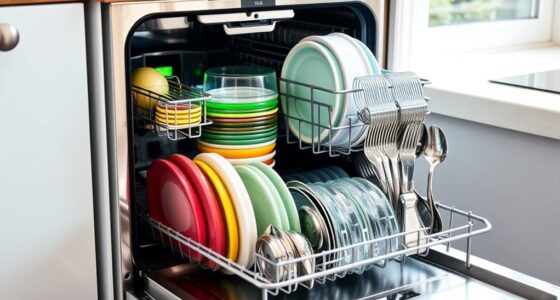
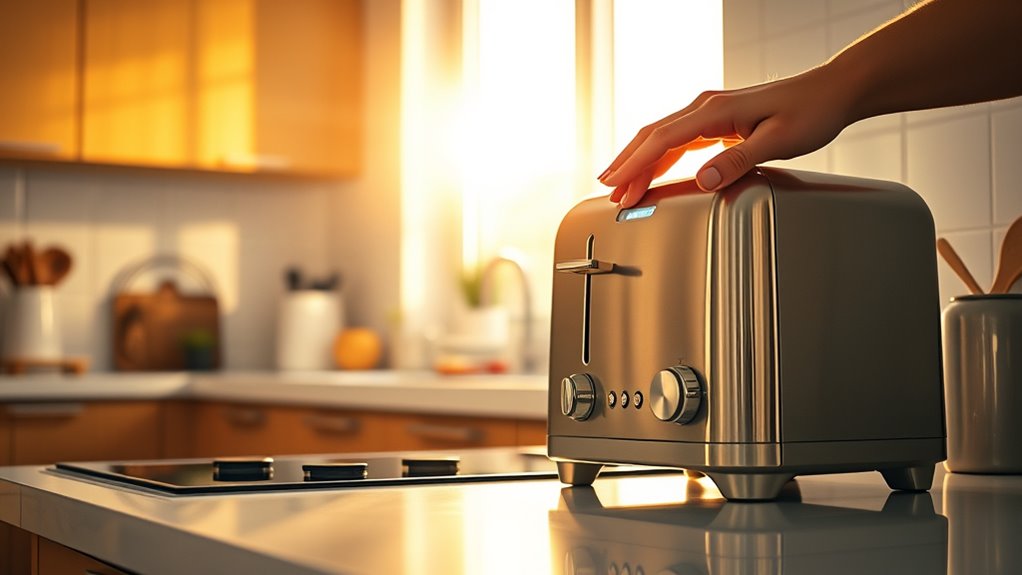
Tracking your energy habits can also make a difference. Pay attention to when and how often you use certain appliances. For example, try to run your dishwasher and laundry machines with full loads, rather than multiple small loads, to maximize energy efficiency. Using appliances during off-peak hours can sometimes reduce energy costs and lessen strain on the grid. Additionally, consider turning off unused appliances entirely rather than leaving them plugged in; many devices draw power even when not in use, a phenomenon known as “phantom” or “standby” energy loss.
Finally, be mindful of your overall kitchen environment. Keep your refrigerator temperature at the ideal level—usually around 37 to 40°F—and your freezer at 0°F. These settings help your appliances operate efficiently without overworking. Using lids on pots and pans traps heat, reducing cooking times and energy consumption. Small habits like these, combined with routine appliance maintenance, create a ripple effect that lowers your energy bills and minimizes your carbon footprint. Being aware of standby power consumption and actively managing it can lead to significant energy savings over time. These simple behavioral changes are accessible, easy to implement, and highly effective ways to make your kitchen more energy efficient.

COMFEE’ Countertop Dishwasher, Energy Star Portable Dishwasher, 6 Place Settings & 8 Washing Programs, Speed, Baby-Care, ECO& Glass, Dish Washer for Dorm, RV& Apartment, Black
6 Place Setting- A perfect size (H17.2″×W21.6″×D19.7″) for 2-3 people, COMFEE’ compact dishwasher is suitable for dorms, RVs,…
As an affiliate, we earn on qualifying purchases.
As an affiliate, we earn on qualifying purchases.
Frequently Asked Questions
How Much Can I Realistically Save Annually With These Behavioral Changes?
You can realistically save around $50 to $150 annually with simple behavioral changes in your kitchen. These actions lead to an energy savings by reducing unnecessary appliance use and optimizing efficiency. By unplugging devices when not in use, using energy-efficient settings, and avoiding overuse, you’ll see a tangible annual reduction in energy costs. Small adjustments make a big difference in lowering your overall energy consumption and saving money.
Do These Habits Require Any Upfront Investment or Special Equipment?
Most behavioral changes don’t require an initial investment or special equipment. For example, you can unplug appliances when not in use or run full loads in your dishwasher and washing machine. These habits mainly involve awareness and routine adjustments. However, if you want to upgrade to more energy-efficient appliances later, be prepared for some initial investment, but the immediate behavioral tips cost nothing and can still save you money.
How Quickly Will I Notice a Reduction in My Energy Bills?
You’ll likely notice energy bill savings within a few billing cycles after making these behavioral changes. The feedback timeframe varies depending on your usage, but many people see a reduction in their energy bills as early as one month. Consistently practicing these habits can lead to ongoing savings, helping you manage costs better and reduce your environmental impact over time.
Are There Any Safety Concerns Related to Changing Appliance Usage Habits?
You might worry about safety, but changing how you use appliances generally isn’t risky if you follow basic electrical safety tips. Avoid overloading outlets, unplug appliances when not in use, and never use damaged cords. Be cautious of fire hazards, especially with heating appliances, and make sure appliances are properly maintained. If you’re unsure, consult a professional to prevent potential fire hazards and ensure safe, energy-efficient habits.
Can These Behavioral Changes Extend the Lifespan of My Kitchen Appliances?
Yes, these behavioral changes can extend your kitchen appliances’ lifespan. By practicing regular appliance maintenance and maintaining usage consistency, you reduce wear and tear. For example, unplugging devices when not in use prevents overheating, and avoiding overloading machines minimizes strain. These habits help prevent breakdowns, keep appliances running efficiently, and ultimately prolong their lifespan, saving you money and ensuring your appliances serve you longer.

Nuwave Double Pro Cooktop Induction Countertop Burner, Portable, 900/1500/1800W with Dynamic Watt Technology, 50°F to 575°F, 8” Heating Coil, Shatter-Proof Ceramic Glass, Seamless IMD Touch Panel
FAST & EFFICIENT COOKTOP – Induction cooking eliminates open flames and heats only the pan, keeping the surrounding…
As an affiliate, we earn on qualifying purchases.
As an affiliate, we earn on qualifying purchases.
Conclusion
By making small changes like using appliances efficiently and unplugging unused devices, you can cut your kitchen energy use considerably. Did you know that stand-by power accounts for up to 10% of household energy bills? That means unplugging devices when not in use can save you money and reduce your carbon footprint. Start implementing these simple habits today, and you’ll make a noticeable difference in both your energy bills and the planet’s health.

Refrigerator Coil Cleaning Brush,Sewer Set Brush Clog Remover,for Toilet, Kitchen Sink, Sewer, Bathroom Bathtub Hair Clogging Cleaning Tool,Long Drain Brush
DURABLE MATERIAL: The brush rod is made of high quality stainless steel, flexible and bendable. The spiral bristles…
As an affiliate, we earn on qualifying purchases.
As an affiliate, we earn on qualifying purchases.

Diymore Watt Meter,Plug-in Socket Power Meter,120V Wide Range,Auto Cost Calculator,Overload Protection,Kilowatt Wattage Voltage AMP Tester,Appliance Power Usage Meter 7 Modes Display
【Monitor Home Appliances】Insert the outlet tester between the appliance and the power outlet. Wattage meter voltage meter will…
As an affiliate, we earn on qualifying purchases.
As an affiliate, we earn on qualifying purchases.