UVC light is a powerful, chemical-free way to purify water by inactivating bacteria and viruses through DNA damage. It works quickly and effectively, especially when water is clear, making it ideal for household or larger systems. Since it leaves no chemical residues, you avoid unpleasant tastes or harmful byproducts. To get the most out of UVC sterilization, proper pre-treatment is essential, and there’s a lot more to explore about how it can benefit your water quality.
Key Takeaways
- UVC light effectively inactivates bacteria and viruses by damaging their DNA or RNA, ensuring safe drinking water.
- It offers a chemical-free, eco-friendly water disinfection method with no residual taste or harmful byproducts.
- Proper water clarity and pre-filtration are essential for UVC systems to work efficiently.
- UVC water purification provides rapid, on-demand sterilization suitable for both household and large-scale applications.
- Safety features in UVC devices prevent UV exposure, ensuring user protection during operation.
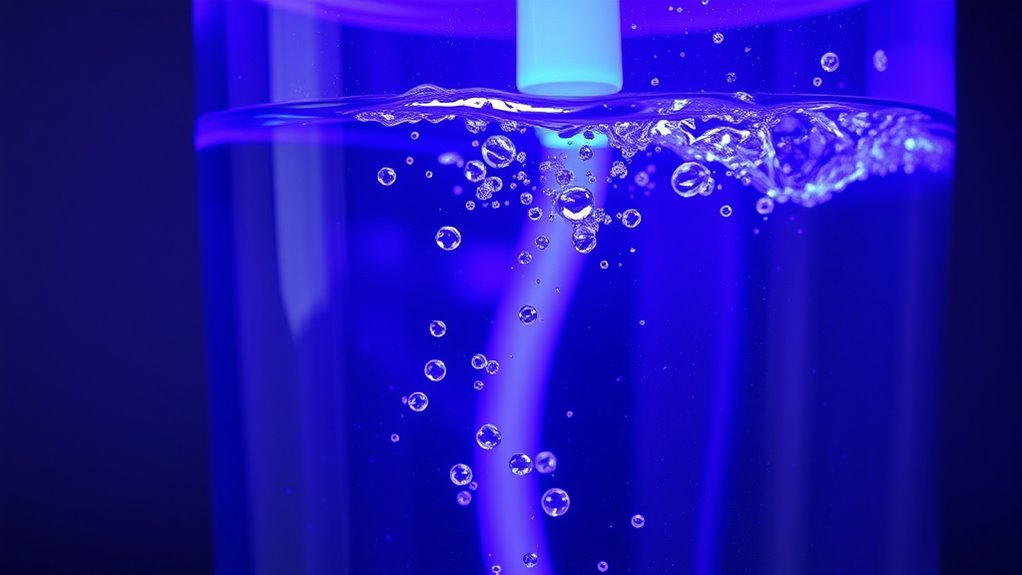
Have you ever wondered how ultraviolet (UV) light can make water safer to drink? It might seem like magic, but it’s actually a scientific process called UV sterilization, which plays a vital role in water disinfection. When you use UV light for water purification, you’re harnessing the power of ultraviolet radiation to eliminate harmful microorganisms without relying on chemicals. This method is gaining popularity because it’s effective, eco-friendly, and fast, making it an excellent choice for both household and larger-scale water treatment systems.
UV sterilization works by exposing water to UV-C light, a specific wavelength within the ultraviolet spectrum that has germicidal properties. As the water flows through a UV purifier, the UV-C rays penetrate the cell walls of bacteria, viruses, and other pathogens. This exposure damages their DNA or RNA, rendering them unable to reproduce or cause infections. Unlike chemical disinfectants, UV treatment leaves no residual taste or chemicals in your water, making it a clean and safe option for your drinking needs.
UV-C light damages pathogens’ DNA, ensuring safe, chemical-free water without residual taste or chemicals.
You might find it particularly appealing because UV sterilization is a non-chemical process. That means no unpleasant chemicals or residues end up in your water, which is especially important if you’re sensitive to additives or want to avoid chemical exposure. Plus, UV disinfection is quick—often taking just seconds to treat a liter of water—so it’s perfect for on-demand purification when you need clean water immediately. It’s also energy-efficient, requiring minimal power to operate, and doesn’t produce harmful byproducts, making it a sustainable solution.
When considering UV water disinfection, you’ll want to pay attention to the clarity of your water. The process works best with clear water because particles and sediments can shield microorganisms from UV rays, reducing the effectiveness of sterilization. For heavily contaminated water, pre-filtration may be necessary to remove larger particles before UV treatment. Most home UV sterilizers are designed with safety features to guarantee that the UV light is contained within the device, so you won’t have to worry about exposure during operation. Additionally, understanding cybersecurity vulnerabilities associated with connected UV systems can help prevent potential digital threats.
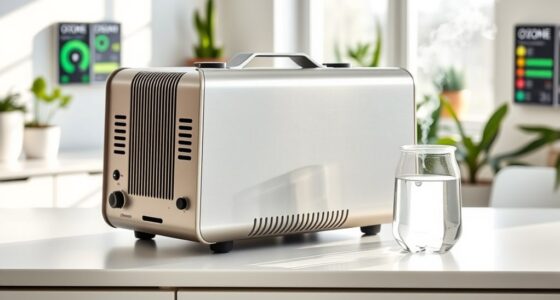
UV water purifier for home use
As an affiliate, we earn on qualifying purchases.
As an affiliate, we earn on qualifying purchases.
Frequently Asked Questions
Can UVC Light Eliminate All Types of Waterborne Viruses?
UVC light can effectively inactivate most waterborne viruses by damaging their DNA or RNA, preventing replication. However, it may not eliminate all types of viruses, especially if the water is turbid or contains particles that shield viruses from UV exposure. For ideal viral inactivation, make sure the UVC light operates within the correct UV spectrum. Proper contact time and water clarity are essential to maximize its effectiveness against a broad range of viruses.
Are UVC Water Purifiers Safe for Continuous Use?
UVC water purifiers are generally safe for long-term use if you follow UV safety guidelines. You shouldn’t expose your skin or eyes to direct UV light, but with proper device shielding and maintenance, it’s safe. Regularly check the system for damage, and avoid prolonged exposure outside the device. When used correctly, these purifiers provide effective, safe water treatment over time without harmful risks.
How Does Water Turbidity Affect UVC Effectiveness?
Water turbidity reduces UV penetration, impacting UVC light’s effectiveness. When water clarity is poor, particles and sediments block UV rays, preventing them from reaching microorganisms. This means you might not achieve ideal purification. To guarantee proper disinfection, you should pre-filter or clarify water to improve clarity. Clearer water allows better UV penetration, making your UVC purifier more effective at neutralizing germs and providing safe drinking water.
What Maintenance Is Required for UVC Water Purification Systems?
You need to regularly replace the UV bulb, typically every 9-12 months, to guarantee peak performance. Keep the system clean by wiping down the exterior and inspecting the quartz sleeve for mineral buildup or dirt, which can block UV rays. Check the system’s instructions for specific maintenance schedules, and always turn off the unit before performing any cleaning or bulb replacement to stay safe and maintain water purification effectiveness.
Can UVC Light Be Used Alongside Other Water Treatment Methods?
You’ll find that UVC light works wonderfully alongside other water treatment methods, creating a powerful synergy. Combining UVC with filtration systems or chemical treatments enhances overall purification, ensuring safer, cleaner water. This multi-stage treatment approach not only maximizes contaminant removal but also provides peace of mind. When you use UVC with these methods, you’re embracing an all-encompassing solution that protects your health and strengthens your water’s quality at every turn.
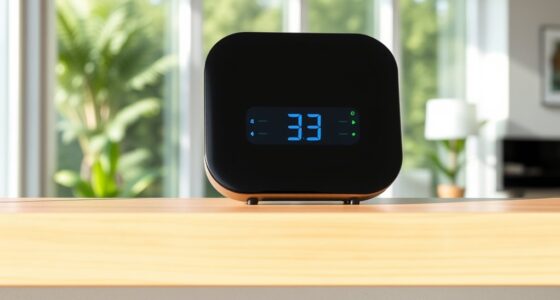
UV-C water sterilizer system
As an affiliate, we earn on qualifying purchases.
As an affiliate, we earn on qualifying purchases.
Conclusion
While chemicals can leave harmful residues, UVC light offers a chemical-free way to purify your water instantly. It’s a modern solution that’s safe, eco-friendly, and effective—yet it requires no messy filters or long wait times. Imagine the convenience of clear, purified water at your fingertips, without the drawbacks of traditional methods. UVC light isn’t just technology; it’s your proactive step toward safer, healthier water in a world full of uncertainties.
portable UV water purifier
As an affiliate, we earn on qualifying purchases.
As an affiliate, we earn on qualifying purchases.
UV water treatment system for large households
As an affiliate, we earn on qualifying purchases.
As an affiliate, we earn on qualifying purchases.