
To prevent bacterial growth in your humidifier, clean it thoroughly at least once a week using a mixture of white vinegar and water to disinfect all surfaces. Scrub away mineral deposits and rinse well to remove any residue, then Allow everything to dry completely before use. Regular filter replacements also help keep the unit hygienic. Keeping a consistent maintenance schedule reduces microbial risks and ensures your humidifier works safely and efficiently—more tips await you.
Key Takeaways
- Empty and unplug the humidifier daily to prevent stagnant water where bacteria can grow.
- Clean all parts weekly with vinegar solution to eliminate mineral deposits and microbial buildup.
- Rinse thoroughly after cleaning to remove vinegar residue, ensuring no residual chemicals remain.
- Replace filters as recommended to maintain optimal moisture output and reduce microbial accumulation.
- Maintain a consistent cleaning schedule and dry all components completely before reassembling.
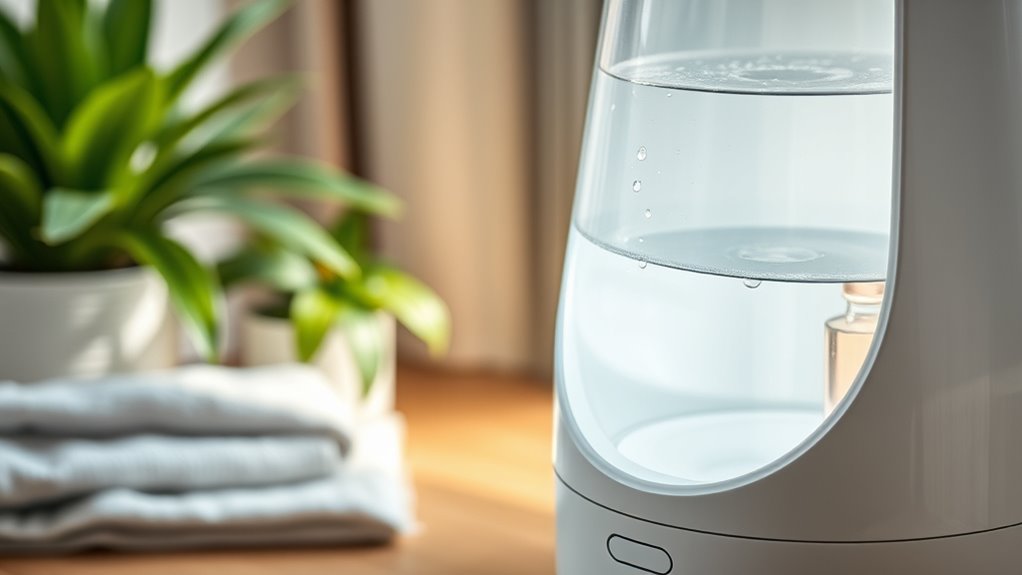
Have you ever wondered why your humidifier isn’t working as effectively as it should? One common reason is that bacteria and mold may be building up inside the unit, which can hinder its performance and pose health risks. To keep your humidifier running smoothly and safely, maintaining a proper cleaning schedule is essential. Regularly cleaning your humidifier prevents bacteria from settling in and multiplying, ensuring the air you breathe remains clean. Alongside cleaning, paying attention to filter replacement is equally important. Many humidifiers have filters that trap impurities; if you neglect to replace them when necessary, they become breeding grounds for bacteria and mold.
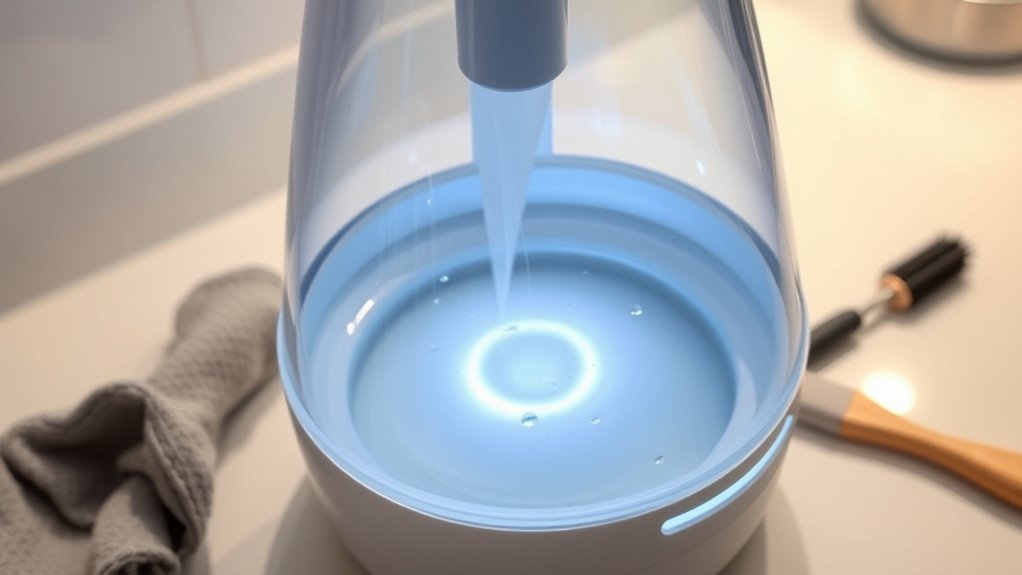
Creating a consistent cleaning schedule means setting aside time to thoroughly clean your humidifier at least once a week. Start by unplugging the device and emptying any remaining water. Use a mixture of white vinegar and water to disinfect the tank and other components that come into contact with water. Vinegar effectively dissolves mineral deposits and kills germs. Scrub all surfaces gently with a soft brush or cloth, paying close attention to corners and crevices where mold can hide. Rinse everything thoroughly to remove vinegar residue, then let the parts dry completely before reassembling. This routine not only keeps bacteria at bay but also prolongs the lifespan of your humidifier.
In addition to regular cleaning, you should stay vigilant about filter replacement. Check your humidifier’s manual for guidance on how often to change the filter—this can vary from every few months to quarterly, depending on usage and water quality. A fresh filter ensures ideal moisture output and reduces the risk of bacteria spreading through the device. If you notice the filter looking dirty or discolored before its scheduled replacement, don’t hesitate to swap it out sooner. Maintaining a strict filter replacement schedule helps prevent microbial buildup inside the unit and maintains the air quality in your space. Regular maintenance also aligns with home safety practices, ensuring a healthier environment for everyone.

AO Smith Whole House Salt Free Descaler System - Works with City & Well Water Filters - 6yr, 600,000 Gl - Water Softener Alternative for Home - AO-WH-DSCLR
Salt-Free Scale Prevention – The A. O. Smith Descaler reduces scale build up in pipes and plumbing using...
As an affiliate, we earn on qualifying purchases.
Frequently Asked Questions
Can Bacteria Survive in Ultrasonic Humidifiers?
Yes, bacteria can survive in ultrasonic humidifiers. Ultrasonic technology creates fine mist, which can spread bacteria if the device isn’t cleaned properly. Bacterial resistance develops when bacteria adapt to the humidifier’s environment, making them harder to eliminate. To prevent this, you should regularly clean your ultrasonic humidifier, use distilled water, and follow manufacturer instructions. This helps reduce bacterial growth and guarantees healthier, cleaner mist for your space.
How Often Should I Replace Humidifier Filters?
Did you know that bacteria can grow rapidly in humidifier filters? You should replace your humidifier filter every 1 to 3 months, depending on usage and water quality. Keeping track of the filter lifespan guarantees you maintain clean, healthy air. Regular replacement prevents bacteria buildup and keeps your humidifier functioning efficiently. Check your manufacturer’s recommendations for specific replacement frequency, and don’t forget to clean the unit regularly!
Are Natural Disinfectants Safe for Humidifiers?
Natural disinfectants can be safe for your humidifier if used properly, but you should always consider safety concerns. Some natural options, like vinegar or hydrogen peroxide, effectively kill bacteria without harmful chemicals. However, excessive or improper use might damage your device or cause irritation. Always follow the manufacturer’s instructions, and consult guidelines to guarantee safety. Regular cleaning and cautious use of natural disinfectants keep your humidifier safe and bacteria-free.
What Signs Indicate Bacterial Contamination?
You’ll notice bacterial contamination if your humidifier emits a foul, bacterial odor or if you see visible mold buildup inside the tank or on the surfaces. These signs indicate bacteria are thriving, which can affect air quality and your health. Regularly cleaning and disinfecting your humidifier helps prevent these issues. If you detect any of these signs, it’s best to clean the device thoroughly before using it again.
Can Using Tap Water Cause Bacterial Growth?
Using tap water can cause bacterial growth in your humidifier because it often contains bacteria and minerals. Tap water bacteria thrive in moist environments, leading to mold and bacteria buildup. Mineral buildup from minerals in tap water can also clog the device and promote bacteria growth. To prevent this, use distilled or demineralized water, and clean your humidifier regularly to keep bacteria and mineral deposits at bay.

Aquasure 64,000 Grains Whole House Water Filter Bundle with Automatic Digital Metered Control Softener and 75 GPD RO Reverse Osmosis Drinking System | Removes Hardness | Ideal for 4-6+ bathrooms
Perfect for homes with 4 to 5 bathrooms and up to 6 family members, who desires softened water...
As an affiliate, we earn on qualifying purchases.
Conclusion
To keep your humidifier bacteria-free, make cleaning a routine. For example, imagine a family who neglected regular cleaning and faced musty odors and health issues. After setting a weekly cleaning schedule, they noticed fresher air and fewer colds. By simply emptying, drying, and disinfecting your humidifier regularly, you can enjoy clean, moist air and avoid bacteria growth. Stay consistent, and your humidifier will serve you well all season long.

Aquasure Harmony Series 48,000 Grains Whole House Water Softener w/High Efficiency Digital Metered Control Head (48,000 Grains)
💧【 PERFECTLY DESIGNED FOR 3-4 BATHROOMS 】The Aquasure Harmony Series is the professional grade water softener that delivers...
As an affiliate, we earn on qualifying purchases.
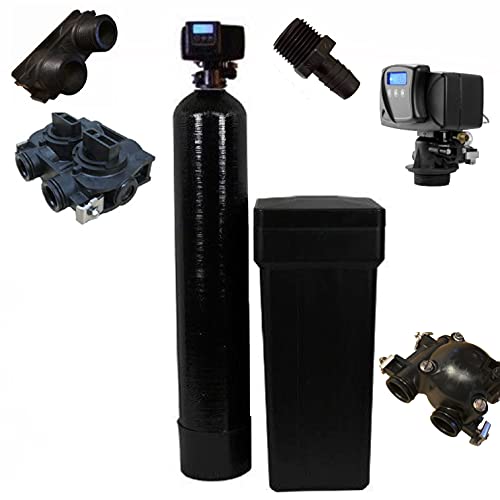
DURAWATER Fleck 5600 SXT Whole House Water Softener 48,000 Grains Ships Loaded with Resin in Tank, Black
Fleck 5600 SXT On Demand Digital Metered Water Softener
As an affiliate, we earn on qualifying purchases.