
Indoor pollutants from cooking and cleaning release airborne particles, gases, and VOCs that can irritate your respiratory system, trigger allergies, or worsen asthma. Without proper ventilation, these contaminants linger and pose health risks, especially for vulnerable family members. Using range hoods, opening windows, and choosing eco-friendly cleaning products can help reduce exposure. Staying mindful of your indoor environment makes a big difference—continue exploring ways to improve your home’s air quality.
Key Takeaways
- Cooking and cleaning release airborne particles, VOCs, and gases that can irritate respiratory systems and trigger allergies.
- Persistent indoor pollutants from these activities may contribute to long-term health issues, especially in vulnerable populations.
- Proper ventilation, including range hoods and opening windows, effectively reduces indoor contaminant concentrations.
- Using eco-friendly cleaning products and ensuring good airflow minimizes chemical exposure and improves air quality.
- Routine ventilation and filtration systems significantly decrease indoor pollutant levels, promoting a healthier living environment.
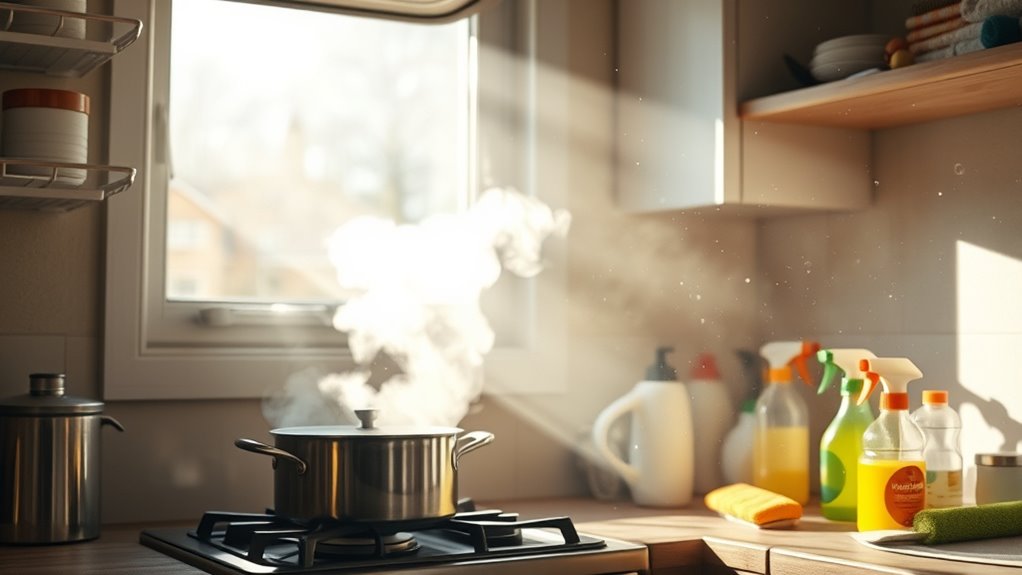
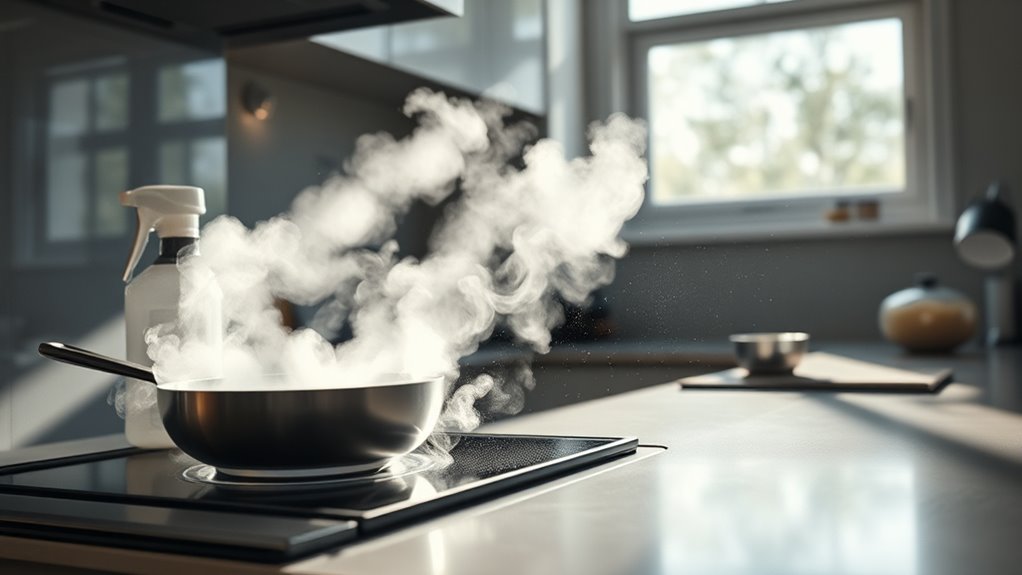
Cooking and cleaning are common household activities, but they can also introduce a variety of indoor pollutants that affect your health. When you cook, especially at high temperatures or with certain ingredients, your kitchen releases airborne particles, gases, and volatile organic compounds (VOCs). These pollutants can linger in the air, potentially causing respiratory irritation, allergies, or long-term health issues if left unchecked. Cleaning products, on the other hand, often contain chemicals that, when dispersed into the air, increase your chemical exposure and can trigger asthma or other sensitivities. Recognizing the sources of these pollutants is the first step toward minimizing their impact.
Cooking and cleaning release indoor pollutants that can harm your health and trigger sensitivities.
One effective way to reduce indoor pollutant levels is by improving ventilation. Proper ventilation helps to clear out airborne contaminants generated during cooking and cleaning. Installing range hoods that vent outside is particularly beneficial, as they capture smoke, grease, and fumes directly at the source. If you don’t have a range hood, opening windows or using exhaust fans can considerably improve air circulation. Regularly maintaining these ventilation systems ensures they operate efficiently, preventing the buildup of pollutants indoors. Increasing airflow doesn’t just remove particles and gases; it also dilutes chemical concentrations, making your living environment healthier and more comfortable. Additionally, using exhaust fans during and after cooking can help remove moisture and pollutants more effectively.
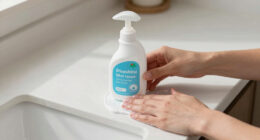
Beyond ventilation improvements, it’s essential to be mindful of the products you use for cleaning. Many commercial cleaners contain harsh chemicals like ammonia, chlorine, and phosphates, which release VOCs into your home’s air. Opting for natural or eco-friendly cleaning alternatives reduces your chemical exposure and lessens indoor pollution. When you’re cleaning, try to work in well-ventilated areas, and consider wearing a mask if you’re using strong products. Additionally, reading labels and choosing products with fewer volatile compounds can make a noticeable difference. Regularly airing out your home after cleaning also helps dissipate lingering chemicals, ensuring that indoor air quality stays as high as possible.
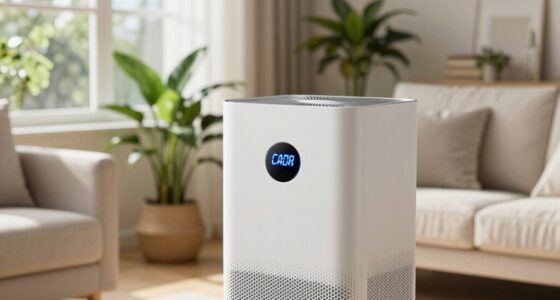
Incorporating these practices into your routine not only improves your indoor air quality but also supports your overall health. Better ventilation and mindful product choices create a safer environment, especially for children, the elderly, or anyone with respiratory issues. Remember, small changes—like opening a window while cooking or switching to natural cleaning options—can greatly reduce your exposure to harmful pollutants. By staying proactive, you control what enters your home’s air, making your living space a healthier place to breathe. Maintaining filtration systems such as HEPA filters can further help capture airborne pollutants and allergens, enhancing indoor air quality.

Nuwave Combi Steam Oven, Non-Toxic Stainless Steel Multi-Cooker with Air Fry, Sous Vide, Toast & More, 50-450°F Precision, 120 Presets, Moisture Control, Programmable, Easy to Clean, 16 quarts
EASY GOURMET OVEN - Achieve gourmet cooking with ease. Simultaneously steam for juicy interiors and air fry for...
As an affiliate, we earn on qualifying purchases.
Frequently Asked Questions
How Can I Detect Hidden Indoor Pollutants in My Home?
You can identify hidden indoor pollutants by conducting air quality testing with portable monitors or professional assessments. Use pollutant detection methods like VOC detectors, carbon monoxide sensors, or particulate matter testers to identify potential hazards. Regularly check for signs like odors, mold, or unexplained allergies. Improving ventilation and scheduling periodic testing helps ensure your home’s air remains safe and free from harmful indoor pollutants.
Are There Safe Cleaning Products That Do Not Emit Harmful Pollutants?
Imagine wiping away grime with a spray that’s as gentle as a breeze—yes, there are safe cleaning products out there. Look for eco-friendly ingredients and natural disinfectants that don’t release harmful pollutants. These products often come in plant-based formulas, making your home safer and fresher. Switching to them helps you clean effectively without risking indoor air quality, creating a healthier space for everyone inside.
Do Indoor Pollutants Affect Children More Than Adults?
Yes, indoor pollutants affect children more than adults because children have higher sensitivity and their developing bodies are more vulnerable to pollutant exposure. You should be especially cautious about indoor air quality, as children breathe more frequently and absorb more pollutants relative to their size. Reducing pollutant levels and ensuring proper ventilation can help protect children from the harmful effects of indoor pollutants.
What Are Quick Ways to Improve Indoor Air Quality During Cooking?
While cooking, open windows or turn on exhaust fans to boost ventilation strategies that quickly clear indoor pollutants. Using air purifiers with HEPA filters can further reduce airborne particles, making the air safer to breathe. Keep lids on pots, avoid overfilling, and use burners efficiently to minimize emissions. Combining these steps helps you improve indoor air quality rapidly, protecting everyone in your home from harmful pollutants.
Can Indoor Pollutants Cause Long-Term Health Issues?
Indoor pollutants can cause long-term health issues if you’re frequently exposed. You might develop chronic respiratory problems, like asthma or bronchitis, over time. These pollutants can also contribute to other chronic health issues, including cardiovascular problems. To protect yourself, make certain good ventilation, use exhaust fans, and keep your home well-maintained. Reducing exposure now can help prevent serious health consequences down the line.

AO Smith Whole House Salt Free Descaler System - Works with City & Well Water Filters - 6yr, 600,000 Gl - Water Softener Alternative for Home - AO-WH-DSCLR
Salt-Free Scale Prevention – The A. O. Smith Descaler reduces scale build up in pipes and plumbing using...
As an affiliate, we earn on qualifying purchases.
Conclusion
By understanding the sources of indoor pollutants from cooking and cleaning, you can take steps to reduce your exposure. You can improve ventilation, choose eco-friendly products, and stay aware of indoor air quality. You can protect your health, safeguard your home, and create a safer environment. Remember, small changes can make a big difference. By staying informed and acting intentionally, you can breathe easier, live healthier, and enjoy a cleaner, safer home every day.

Traeger Grills Pro 22 Wood Pellet Grill & Smoker, Electric Pellet Smoker Grill Combo, 6-in-1 BBQ Versatility, 572 sq. in. Grilling Capacity, Meat Probe, 450 Degree Max Temperature, 18LB Hopper, Bronze
6-in-1 Versatility: The Traeger Pro 22 is the original wood pellet smoker and grill combo trusted by. Grill,...
As an affiliate, we earn on qualifying purchases.

Blatomic LCD Control Wood Pellet Smoker Grill, 456 SQ. IN Cook Area, Pellet Grill with Auto Feed & Leaking Waste, 500°F Max Temperature, 8 in 1 BBQ Grill with Meat Probe, Side Table with Hooks(Black)
【LCD Control Panel】 LCD control grill can hot & fast or low & slow from 160°F to 500°F...
As an affiliate, we earn on qualifying purchases.