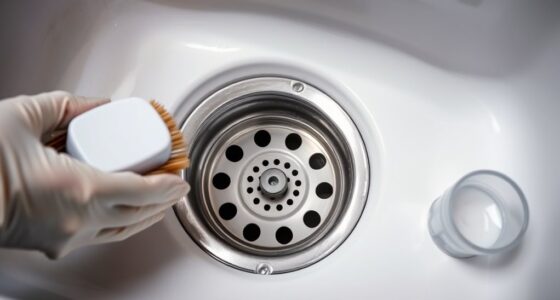
Regular cleaning of your Keurig K-Elite is essential to ensure it brews great-tasting coffee and maintains its longevity. Proper maintenance includes descaling, cleaning the brew area, and replacing filters when needed.

Get home appliances delivered free with Prime
- Fast, free delivery on millions of items
- Prime Video, Amazon Music and more included
- Member-only deals all year
This guide provides clear, step-by-step instructions to keep your Keurig K-Elite in top condition, safe for you and your machine.
Gather Your Supplies
- Descaling solution or white vinegar
- Fresh water
- Cleaning cloth or sponge
- Keurig rinse pods or a paperclip
Prepare Your Machine for Cleaning
- Turn off and unplug your Keurig K-Elite.
- Remove any used K-Cups and empty the drip tray and water reservoir.
Descale Your Keurig
- Fill the water reservoir with a descaling solution or white vinegar (about 10 ounces).
- Fill the rest of the reservoir with water.
- Place a large mug on the drip tray.
- Run a brew cycle without a K-Cup, repeating until the reservoir is empty.
Clean the Brew Head and Exterior
- Use a damp cloth or sponge to wipe the exterior surfaces.
- Insert a Keurig rinse pod or a paperclip to unclog the brew head if water flow is slow.
Flush and Rinse
- Fill the reservoir with fresh water.
- Run several brew cycles to rinse out any remaining vinegar or descaling solution.
Products That Help
My K-Cup® Reusable Coffee Filter
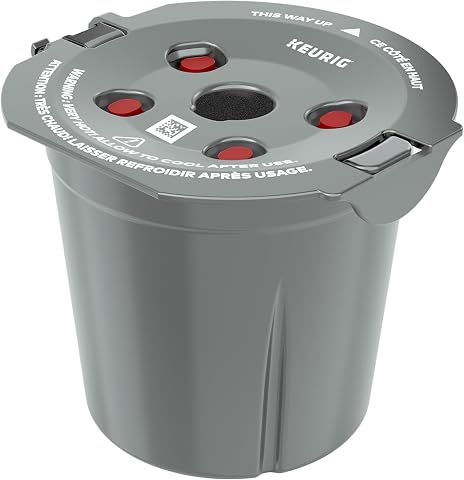
The My K-Cup® Reusable Coffee Filter allows you to brew with your favorite ground coffee, making it a versatile addition to your Keurig maintenance routine. It helps keep the brew head clean by reducing residue buildup and can be used during regular cleaning cycles.
Pros:
- Reusable and eco-friendly
- Compatible with K-Elite
- Allows custom coffee blends
- Easy to clean
Cons:
- Requires separate purchase
- Needs regular cleaning
- Not a descaling product
Best for: Brewing with ground coffee and reducing residue buildup.
Not ideal for: For descaling or mineral buildup removal.
Bottom line: Great for brewing and reducing residue, enhancing your Keurig experience.
Frequently Asked Questions
How often should I descale my Keurig K-Elite?
It’s recommended to descale every 3-6 months, or more frequently if you notice slower water flow or scale buildup.
Can I use vinegar instead of descaling solution?
Yes, white vinegar is an effective and safe alternative for descaling your Keurig. Be sure to run multiple rinse cycles afterward.
Is it safe to clean the exterior with a damp cloth?
Absolutely. Use a damp cloth to wipe the exterior surfaces. Avoid using harsh chemicals or abrasive cleaners.
Should I replace the water filter regularly?
Yes, replace the water filter every 2-3 months to ensure optimal water quality and machine performance.
Affiliate disclosure: As an Amazon Associate we earn from qualifying purchases. Prices and availability are accurate as of the time of publishing.
Halloween Picks
halloween
As an affiliate, we earn on qualifying purchases.