
If your Dyson V15 Detect™ Origin Cordless Vacuum isn’t picking up debris as it used to, it might be facing common issues like clogged filters, blockages, or battery problems. This guide walks you through practical, safe steps to diagnose and fix the suction loss, ensuring your vacuum maintains its deep-cleaning power.

Get home appliances delivered free with Prime
- Fast, free delivery on millions of items
- Prime Video, Amazon Music and more included
- Member-only deals all year
Always follow safety precautions, and disconnect the vacuum from charging or power sources before performing any maintenance or troubleshooting.
Key Takeaways
| Check for blockages | Clear all hoses and cleaner heads of obstructions. |
| Replace filters | Ensure filters are clean and properly installed. |
| Inspect the brush bar | Remove hair and debris from the cleaner head. |
| Examine the battery | Verify the battery is charged and functioning properly. |
Step 1: Power Off and Prepare
- Turn off the vacuum and remove it from the charging dock.
- Detach the cleaner head and any attachments.
- Ensure the vacuum is unplugged from any power source.
Step 2: Check for Blockages
- Inspect the wand, hose, and cleaner head for blockages or debris.
- Remove any obstructions carefully using a long, flexible brush or cloth.
Step 3: Clean or Replace Filters
- Remove the pre-filter and main filter according to the user manual.
- Wash the filters thoroughly with water and let them air dry completely (at least 24 hours).
- Reinstall filters securely once dry.
Step 4: Check the Cleaner Head</h2>
- Remove the Digital Motorbar cleaner head and clear any tangled hair or debris from the brush bar.
- Ensure the brush bar spins freely.
Step 5: Test and Inspect the Battery
Make sure the battery is fully charged. If the vacuum still lacks power, consider testing or replacing the battery if possible.
The Products in This Guide

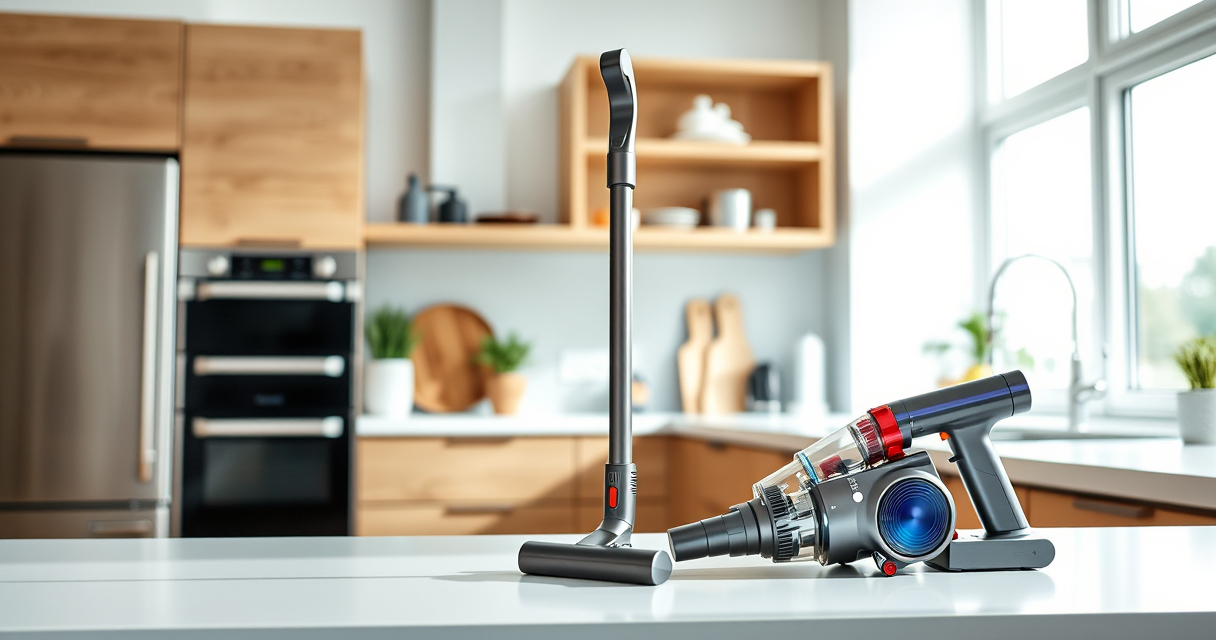
Dyson V15 Detect™ Origin Cordless Vacuum
- ✔ Battery Life: Up to 60 min
- ✔ Filter Type: Pre-filter and HEPA
- ✔ Cleaning Heads: Digital Motorbar & Fluffy Optic

LANMU Crevice Tool Vacuum Attachments Compatible
- ✔ Compatibility: Multiple Dyson models
- ✔ Material: Plastic
- ✔ Design: Slim and flexible
Dyson V15 Detect™ Origin Cordless Vacuum
The Dyson V15 Detect™ Origin Cordless Vacuum offers impressive suction, intelligent features, and advanced cleaning heads. Proper maintenance ensures it stays at peak performance, especially if you’re experiencing suction issues.
Pros:
- Powerful suction with 100% more power
- Intelligent debris detection
- Long 60-minute run time
- Effective filters and heads
Cons:
- Higher price point
- Requires regular filter cleaning
- Battery replacement can be costly
Best for: Deep cleaning homes with pets and hard-to-reach areas
Not ideal for: Light-duty or infrequent cleaning tasks
Bottom line: Regular maintenance and troubleshooting keep your Dyson V15 performing optimally.
LANMU Crevice Tool Vacuum Attachments Compatible
The LANMU Crevice Tool Vacuum Attachments are compatible with Dyson V15 and other models, making it easier to reach tight spots, corners, and upholstery. An excellent accessory for detailed cleaning.
Pros:
- Narrow nozzle for tight spaces
- Flexible and easy to maneuver
- Compatible with multiple Dyson models
- Helps reach tricky areas
Cons:
- Additional attachment to store
- May require adjustment for perfect fit
Best for: Cleaning crevices, car interiors, and corners
Not ideal for: Large open areas or heavy debris
Bottom line: An essential tool for detailed and hard-to-reach cleaning.
Frequently Asked Questions
Why does my Dyson vacuum suddenly lose suction?
Common causes include clogged filters, blockages in hoses or wand, tangled debris in the brush bar, or a faulty filter that needs cleaning or replacing.
How often should I clean or replace the filters?
Filters should be washed every 1-3 months and replaced every 6-12 months, depending on usage and manufacturer recommendations.
Can I fix suction loss myself or do I need professional help?
Most issues like blockages and filter cleaning can be handled at home. For battery or motor problems, consider professional repair or replacement.
Is it safe to wash the filters with water?
Yes, but ensure they are completely dry before reinstalling to prevent damage or mold growth.
Keep Your Dyson Vacuum in Top Shape
Regular maintenance, including cleaning filters, checking for blockages, and inspecting the brush head, can prevent most suction issues. If problems persist, replacing filters or the battery may be necessary. With proper care, your Dyson V15 will continue to deliver powerful cleaning performance for years to come.
Affiliate disclosure: As an Amazon Associate we earn from qualifying purchases. Prices and availability are accurate as of the time of publishing.
NFL season / tailgating Picks
team gear
As an affiliate, we earn on qualifying purchases.