
One common plumbing mistake when setting up a portable dishwasher is not securing water supply and drainage connections properly. Make sure you tighten water fittings enough to prevent leaks but avoid over-tightening, which can cause damage. Elevate and secure the drainage hose correctly to prevent backflow or flooding. Ignoring these details can lead to leaks and water damage. If you’re interested in avoiding these mistakes, you’ll find helpful tips to guarantee a smooth setup.
Key Takeaways
- Ensure water fittings are tightly secured without over-tightening to prevent leaks and water damage.
- Confirm compatibility of quick-connect adapters with your faucet size before installation.
- Elevate the drainage hose above the dishwasher’s drain outlet to prevent backflow and flooding.
- Avoid kinks or bends in the drainage hose to maintain proper water flow.
- Run a test cycle to check for leaks and proper drainage, tightening fittings as needed.

Setting up your portable dishwasher is a straightforward process that can save you time and effort in the kitchen. The key to a smooth installation lies in correctly handling the water supply and drainage connection. Many people overlook these details, leading to leaks, poor performance, or water damage. Paying close attention to these connections from the start guarantees your dishwasher functions efficiently and avoids common plumbing mistakes.
Proper water supply and drainage setup ensures your portable dishwasher runs smoothly and avoids costly leaks.
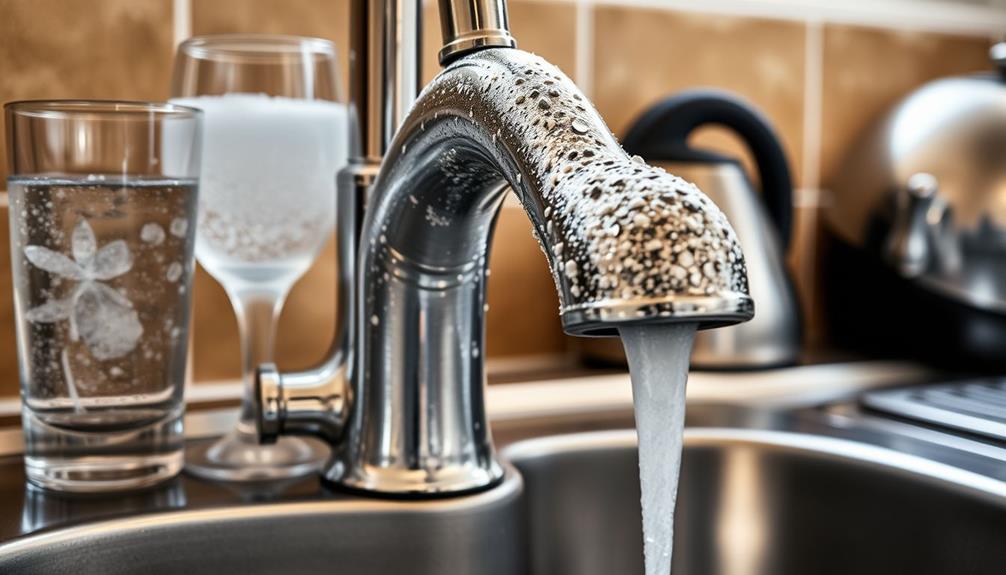
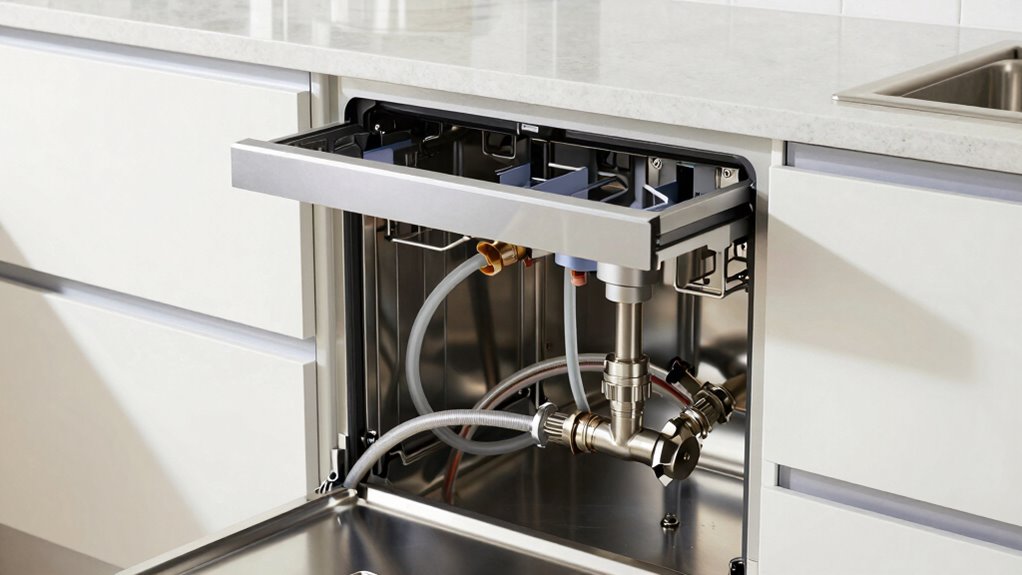
First, focus on establishing a secure water supply. Most portable dishwashers connect to a kitchen faucet using an included hose and adapter. Before attaching, turn off the faucet completely to prevent any water pressure issues. Attach the hose tightly to the faucet, making sure the connection is snug but not over-tightened, which could damage the fittings. Some models come with a quick-connect adapter that fits standard faucet sizes, so verify compatibility beforehand. Once connected, turn the faucet back on slowly to check for leaks. If you notice any drips, tighten the fitting incrementally until the leak stops. A proper water supply setup is essential because a loose or faulty connection can lead to water wastage or damage to your floor and cabinetry. Additionally, inspecting the fittings for any signs of wear or damage can prevent future leaks.
Next, set up the drainage connection carefully. Most portable dishwashers drain via a hose that either loops into the sink or connects to a standpipe. The key mistake many make is not securing the drainage hose properly or allowing it to sag. The hose should be elevated slightly above the dishwasher’s drain outlet to prevent backflow and ensure gravity assists drainage. If you’re connecting to the sink, use the provided sink adapter or a compatible Y-connector to attach the hose securely to the sink drain or garbage disposal. Make sure the hose is free of kinks or bends, as these can impede drainage and cause water to back up. It’s also a good idea to elevate the hose slightly above the dishwasher’s drain outlet, so water flows out smoothly and doesn’t siphon back into the appliance.
Many overlook the importance of checking for leaks after making these connections. Run a short cycle to observe how water flows through the system. If you notice any leaks, double-check all fittings and tighten them as needed. Also, ensure the drainage hose isn’t positioned too low or too high, as improper placement can cause drainage issues or flooding. Taking the time to correctly connect the water supply and drainage hoses might seem minor, but it’s vital for your dishwasher’s proper function and longevity. Proper plumbing connections and secure fittings are essential steps in preventing water damage and ensuring reliable operation. With a little patience and attention to detail, you’ll prevent plumbing mistakes that could cause headaches down the line.
Frequently Asked Questions
Can I Connect a Portable Dishwasher to a Standard Kitchen Faucet?
Yes, you can connect a portable dishwasher to a standard kitchen faucet if it’s faucet compatible. You may need a hose extension or an adapter to guarantee a secure fit. Check your faucet’s size and threading to match with the dishwasher’s inlet. Use a quick-connect fitting for easy setup and removal. Just make sure the connection is tight to prevent leaks and water damage during operation.
What Tools Are Necessary for Proper Plumbing Connection?
You need a few essential tools for a proper plumbing connection. Grab a garden hose to connect your faucet to the dishwasher, along with appropriate plumbing fittings to guarantee a secure, leak-free setup. A wrench helps tighten fittings, and a bucket catches any drips during installation. With these tools—garden hose, plumbing fittings, wrench, and bucket—you’ll establish a reliable connection, preventing leaks, and ensuring smooth operation. Proper tools, proper connection, peace of mind.
How Do I Prevent Water Leaks During Setup?
To prevent water leaks during setup, make certain you securely tighten hose clamps around the water inlet and outlet hoses. Check that the connections are snug but not overly tight, as excessive pressure can cause damage. Also, verify your water pressure isn’t too high, which could lead to leaks. Regularly inspect the hoses and clamps after installation to catch any issues early and maintain a leak-free connection.
Is It Safe to Leave the Dishwasher Plugged in During Use?
Plugging in your portable dishwasher during use can be risky, so you shouldn’t leave it plugged in while operating. Electrical safety is vital to prevent potential shocks or fires, and water damage prevention is essential if leaks occur. Always unplug your dishwasher when it’s not in use, and follow manufacturer’s instructions. Maintain mindful management by ensuring power is off when setting up or maintaining your dishwasher, safeguarding your space and ensuring safe, secure usage.
How Often Should I Check for Plumbing Issues After Setup?
You should check for plumbing issues weekly after setup to guarantee leak prevention. Establish an inspection schedule that includes examining hoses, connections, and underneath the dishwasher for any signs of leaks or drips. Regular checks help catch problems early, preventing water damage and costly repairs. Staying vigilant keeps your portable dishwasher running smoothly and ensures your plumbing remains leak-free, giving you peace of mind during everyday use.
Conclusion
To make certain your portable dishwasher works flawlessly, avoid the common plumbing mistake of improper drainage. Did you know that nearly 30% of dishwasher issues stem from poor drainage connections? By double-checking your setup and following proper plumbing guidelines, you can prevent costly repairs and enjoy spotless dishes every time. Taking a few extra minutes now saves you headaches later—so be thorough and confident in your installation!