
To select the right humidifier for your home, consider its impact on air quality, energy use, and ease of maintenance. Look for models with built-in filters or UV sterilizers to reduce allergens and germs. Choose an adjustable humidistat to maintain ideal humidity levels (30-50%) and select energy-efficient ultrasonic units suited to your room size. Regular cleaning ensures long-lasting performance and clean air. Keep exploring to discover tips that help you pick the perfect humidifier for your needs.
Key Takeaways
- Assess your room size to select a humidifier with appropriate capacity for effective coverage.
- Prioritize models with adjustable humidistat and air quality features like filters or UV sterilizers.
- Consider energy-efficient ultrasonic units with automatic shut-off for cost savings and convenience.
- Ensure the humidifier is easy to clean and maintain to prevent mold and bacteria buildup.
- Balance features, maintenance, and durability to choose a device that supports healthy indoor air quality long-term.
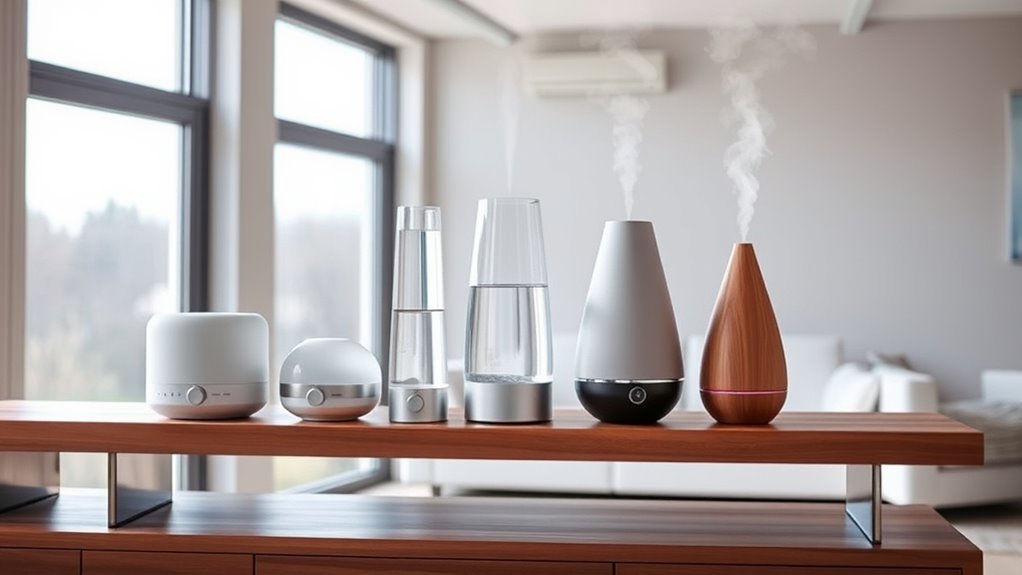
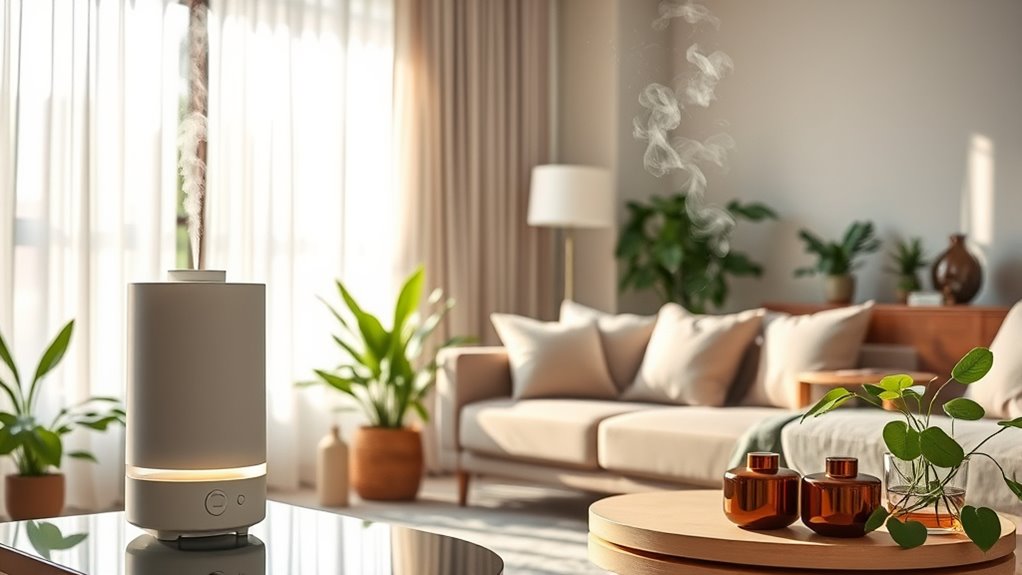
Are you unsure how to pick the right humidifier for your home? With so many options available, it can feel overwhelming to decide which one will best improve your indoor environment. The key factors to consider are how a humidifier impacts your air quality and its energy efficiency. Understanding these aspects helps you select a device that not only enhances comfort but also promotes healthier living and saves you money in the long run.
Choosing the right humidifier improves air quality, energy efficiency, and overall home comfort.
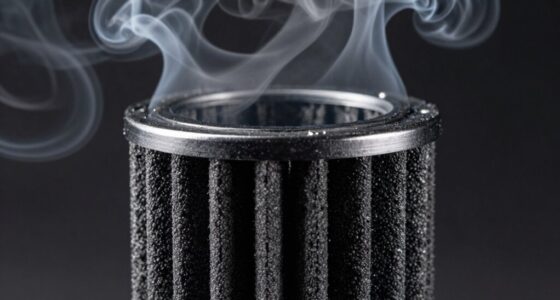
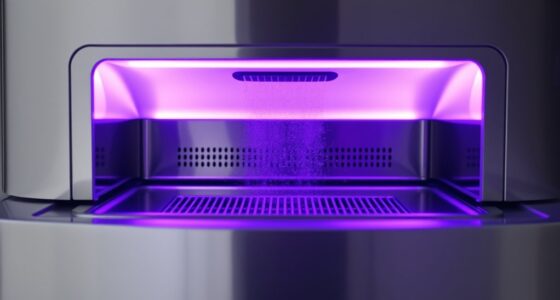
First, think about your home’s air quality. A good humidifier should add moisture to dry indoor air, which can alleviate issues like dry skin, irritated sinuses, and respiratory discomfort. But not all humidifiers are created equal when it comes to air quality. Some models include built-in filters or UV sterilizers to reduce bacteria, mold, and dust mites that can circulate and worsen allergies or asthma. If you or your family members have respiratory sensitivities, prioritizing a humidifier with these features can make a significant difference. Additionally, maintaining proper humidity levels—ideally between 30% and 50%—is crucial. Excess moisture can foster mold growth and dust mites, which deteriorate air quality, so choose a humidifier with adjustable settings and a reliable humidistat to keep humidity within safe limits.
Energy efficiency is another essential consideration. An energy-efficient humidifier consumes less power, which means lower utility bills and a smaller carbon footprint. Look for models that are designed to operate effectively without consuming excessive electricity. Ultrasonic humidifiers, for example, tend to be more energy-efficient than traditional evaporative units because they use high-frequency vibrations to produce mist without requiring a fan or heating element. Choosing a device with an automatic shut-off feature also conserves energy by turning off when the desired humidity level is reached. Keep in mind that some larger, more powerful units may be necessary for big spaces but can also consume more energy, so size and capacity should match your room size to optimize efficiency. Additionally, incorporating automation technology can further enhance energy savings by adjusting operation based on real-time humidity levels.
Finally, consider the overall maintenance and durability of the humidifier. Easy-to-clean models prevent mold and bacteria buildup, which directly affects air quality. A well-made, energy-efficient unit with simple maintenance routines ensures continuous operation without unnecessary costs or health risks. By balancing air quality benefits with energy efficiency, you can find a humidifier that keeps your home comfortable, healthy, and cost-effective. Remember, the right choice depends on your specific needs, space, and lifestyle, but focusing on these core factors will guide you toward making an informed decision.
Frequently Asked Questions
Can I Use Tap Water in My Humidifier?
Yes, you can use tap water in your humidifier, but be aware of water quality. Tap water often contains minerals, which can lead to mineral buildup inside your device over time. This buildup can reduce efficiency and promote bacteria growth. To avoid this, consider using distilled or filtered water, especially if your tap water is hard. Regular cleaning also helps maintain your humidifier’s performance and extends its lifespan.
How Often Should I Clean My Humidifier?
Think of your humidifier as a trusted friend that needs regular attention. To keep it running smoothly and guarantee healthy air, you should perform humidifier maintenance by cleaning it at least once a week. This cleaning frequency prevents mold, bacteria, and mineral buildup. Regular upkeep not only extends your device’s lifespan but also assures peak performance, so your home stays comfortably humid and safe for everyone.
Are Humidifiers Safe Around Pets?
Humidifiers can be safe around pets if you take proper precautions. Always opt for models with pet safety features and use distilled water to minimize humidifier toxins. Keep the device out of pets’ reach to prevent accidental ingestion or burns from hot mist units. Regular cleaning also reduces bacteria buildup, ensuring a safer environment. Monitoring your pets’ reactions helps you notice any signs of discomfort or respiratory issues early.
What’s the Ideal Humidity Level for My Home?
The ideal humidity level for your home is between 30% and 50%, which improves indoor air quality and keeps you comfortable. To maintain this range, consider different humidifier types like ultrasonic or evaporative models, which effectively add moisture without over-humidifying. Regularly monitor humidity levels with a hygrometer, and adjust your humidifier settings accordingly to prevent issues like mold or dry air.
Can a Humidifier Help With Allergies or Asthma?
A humidifier can definitely help with allergies and asthma by improving air quality and providing respiratory relief. When the air is properly humidified, it reduces irritation in your airways, making breathing easier. It also helps prevent dry skin and nasal congestion. Just make sure to keep your humidifier clean to avoid mold and bacteria, ensuring it effectively supports your respiratory health and enhances overall air quality in your home.
Conclusion
Choosing the right humidifier is like finding a trusted friend that keeps your home comfortable and healthy. By considering your space, budget, and specific needs, you’ll find a perfect match that works seamlessly. Remember, a good humidifier is like a gust of fresh air—bringing relief and comfort when you need it most. Make your choice wisely, and enjoy a cozy, balanced environment all year round.