Understanding MERV ratings helps you choose the right HVAC filter by showing how well it traps airborne particles. These ratings range from 1-4 for basic dust removal to 13-16 for high efficiency, including tiny pollutants like smoke and bacteria. Higher MERV filters improve air quality but may restrict airflow if not compatible with your system. To guarantee ideal performance and cleaner air, it’s important to know what each rating offers — and what fits your needs best.
Key Takeaways
- MERV ratings measure a filter’s effectiveness at trapping airborne particles, from dust to bacteria.
- Higher MERV ratings (13-16) provide better filtration of small particles like smoke and viruses.
- Selecting the right MERV rating balances air quality improvement with maintaining proper airflow in your HVAC system.
- Filters with higher MERVs often use advanced materials like electrostatically charged fibers for enhanced performance.
- Proper installation and regular replacement ensure filters perform effectively and prevent system strain.
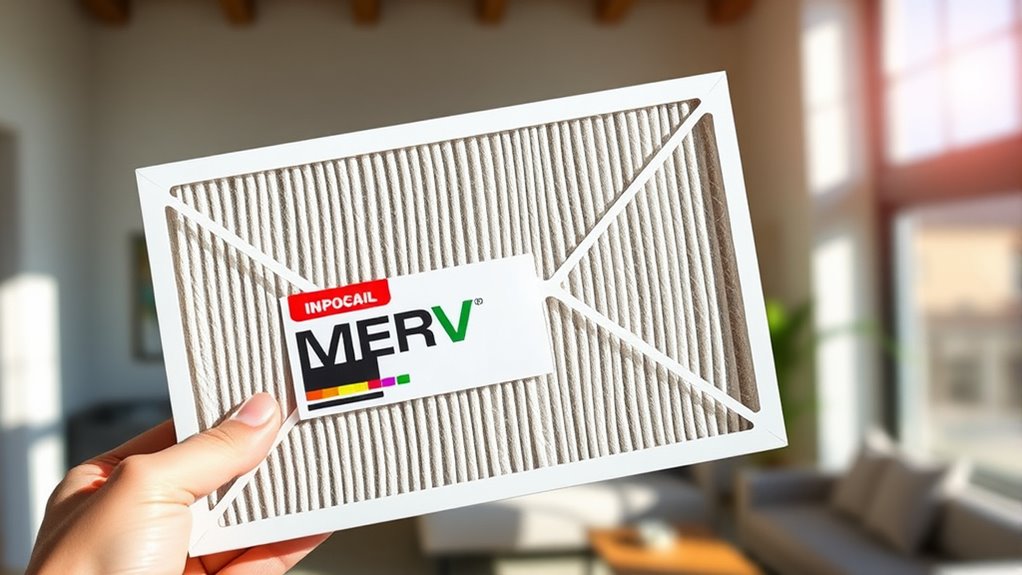
MERV ratings, or Minimum Efficiency Reporting Values, are vital when choosing the right HVAC filters for your home or business. These ratings help you understand how effectively a filter can remove particles from the air, guiding you to select the best option for your specific needs. When evaluating filters, it’s important to take into account the air filter materials used, as these directly impact both the filter’s efficiency and lifespan. Different materials like fiberglass, pleated paper, electrostatically charged fibers, or high-efficiency media each offer unique benefits and limitations. For instance, fiberglass filters are inexpensive and good for basic particle removal but don’t trap smaller pollutants. Pleated filters made from higher-quality materials tend to have higher MERV ratings, providing better filtration of dust, pollen, and bacteria, especially in higher-rated filters.
Understanding the MERV scale helps you balance air quality with airflow. Filters with a low MERV rating, typically between 1 and 4, are suitable for basic dust and lint control but don’t effectively capture smaller allergens or airborne pathogens. Conversely, high MERV ratings, like 13 to 16, trap tiny particles such as smoke, bacteria, and even some viruses, making them ideal for health-sensitive environments. However, keep in mind that higher-rated filters can restrict airflow if your HVAC system isn’t designed to handle them, which is why filter installation tips are essential. When installing filters, make sure they fit snugly within the filter slot without gaps, as gaps allow unfiltered air to bypass the filter and reduce its effectiveness. Regularly check and replace your filters according to manufacturer recommendations—usually every 1 to 3 months—since clogged filters decrease airflow and strain your system.
Using the correct filter materials and following proper installation practices can significantly improve indoor air quality and system performance. Choosing the right MERV rating isn’t just about filtration efficiency; it’s also about compatibility with your HVAC system. Consult your system’s specifications to see the maximum MERV rating it can handle without compromising performance. When installing a new filter, follow proper filter installation tips: align the filter correctly (not backwards), secure it firmly, and avoid forcing it into place. Proper installation ensures maximum filtration, prevents air leaks, and maintains system efficiency. Combining the right air filter materials with correct installation practices results in cleaner indoor air and a more efficient HVAC system. By understanding MERV ratings, you can make informed choices that enhance air quality and system longevity, creating a healthier environment for yourself and those around you.
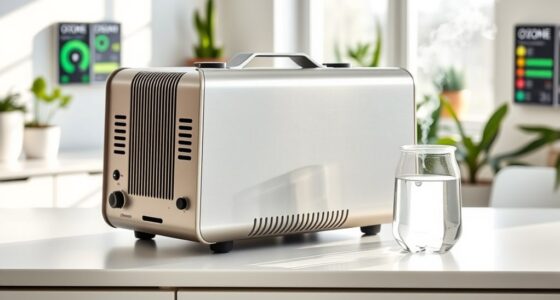
HEPA air purifier with high MERV filter
As an affiliate, we earn on qualifying purchases.
As an affiliate, we earn on qualifying purchases.
Frequently Asked Questions
How Often Should I Change My HVAC Filter Based on MERV Ratings?
You should change your HVAC filter every 1 to 3 months, depending on its MERV rating. Higher MERV ratings, which filter finer particles, may require more frequent filter maintenance to maintain ideal air quality. If you have allergies or pets, consider changing filters closer to the 1-month mark. Regularly replacing your filter ensures better air quality and keeps your system running efficiently.
Can MERV Ratings Affect My HVAC System’s Energy Efficiency?
Yes, MERV ratings can affect your HVAC system’s energy efficiency. Higher MERV filters may restrict filter airflow, causing your system to work harder and increasing energy consumption. If the filter is too dense, it can reduce airflow and strain your system, leading to higher energy bills. To keep efficiency ideal, choose a MERV rating that balances filtration with proper airflow, and replace filters regularly.
Are Higher MERV Ratings Always Better for Air Quality?
Higher MERV ratings don’t always mean better air quality for your home. While they increase filter effectiveness by capturing smaller particles, they can also restrict airflow and strain your HVAC system if too high. To improve air quality without sacrificing system performance, choose a MERV rating suited to your needs—typically between 8 and 13. Balance filter effectiveness with your system’s capacity to guarantee ideal air quality and efficiency.
Do MERV Ratings Indicate Filter Durability or Lifespan?
MERV ratings don’t directly indicate filter durability or lifespan. Instead, they measure how effectively a filter captures particles. Higher MERV filters may clog faster, potentially reducing filter lifespan if not maintained properly. To guarantee good filter lifespan, look for durability indicators like build quality and material. Regularly changing filters based on manufacturer recommendations is essential, regardless of MERV rating, to maintain air quality and prevent system strain.
How Do MERV Ratings Compare to Other Filter Standards Like MPR or FPR?
You might think higher MERV ratings mean better filters, but it’s more about filter testing and efficiency. Compared to MPR or FPR, MERV provides a standardized rating, but each system emphasizes different aspects—MPR focuses on microscopic particles, while FPR uses color codes. So, don’t just chase higher numbers; compare ratings to understand which filter suits your needs best, ensuring peak airflow and filtration.
HVAC air filter MERV 13
As an affiliate, we earn on qualifying purchases.
As an affiliate, we earn on qualifying purchases.
Conclusion
Now that you understand MERV ratings, you’re like a captain steering your home’s air quality ship through clear, clean waters. Choosing the right filter is your compass, guiding you past dust, allergens, and pollutants. With this knowledge, you’re empowered to breathe easier, knowing your HVAC system is armed with the perfect filter. Think of it as giving your home a fresh start—making every breath feel as crisp as a mountain breeze.
pleated furnace filters 16 MERV
As an affiliate, we earn on qualifying purchases.
As an affiliate, we earn on qualifying purchases.
electrostatically charged HVAC filters
As an affiliate, we earn on qualifying purchases.
As an affiliate, we earn on qualifying purchases.