
TL;DR

Get home appliances delivered free with Prime
- Fast, free delivery on millions of items
- Prime Video, Amazon Music and more included
- Member-only deals all year
A Matter Alpha contributor says two years of adding Matter-compatible devices to a home helped address five everyday problems, from detecting leaks to managing room temperatures. The examples are personal experience, not a controlled test, and costs, device compatibility and battery upkeep remain practical limits.
A Matter Alpha contributor says using Matter-compatible devices around the home helped address five recurring problems: spotting leaks, switching off forgotten lights, automating ceiling fans, monitoring humidity and comparing temperatures between rooms. The account reflects one household’s experience over about two years, rather than a controlled assessment of how the devices perform in other homes.
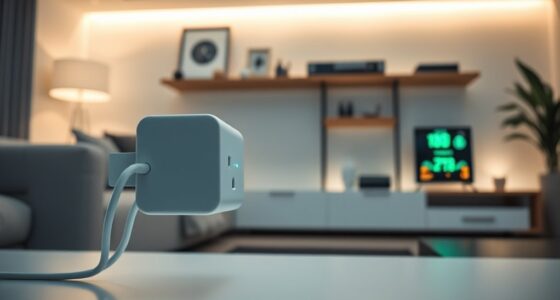
For leak detection, the writer describes placing IKEA’s KLIPPBOK water leak sensor near a possible source of water. The sensor sounds a local alarm when it detects water; the writer says connecting it to a smart-home platform through Matter also enables phone notifications while away. The report notes that the alarm can function without Matter, while the connected setup adds remote alerts.
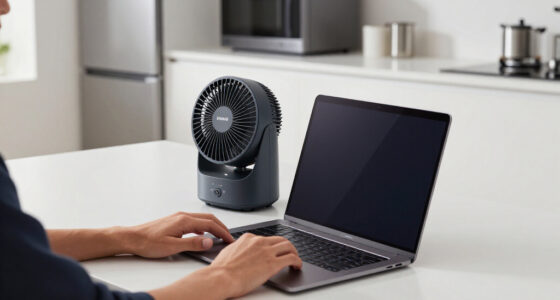
The writer uses Homey Pro automations to turn off selected lights together, including when the household has left home, a task made easier with Matter-compatible smart home devices. A presence sensor also controls a pantry light, switching it off when the space is empty. In another setup, presence sensors control ceiling fans, turning them on or off based on occupancy rather than requiring someone to check a wall switch.
For indoor conditions, the household uses humidity sensors, including the SwitchBot Meter Plus and IKEA ALPSTUGA, to monitor changes and prompt action with a compatible humidifier. Temperature sensors help show how rooms differ from the hallway where the home’s thermostat is located. The report says some devices and platforms can retain historical readings, but does not provide measured savings, a price total or comparative performance data.
Small Automations Address Daily Frustrations
The report offers a practical account of what a connected-home standard can do beyond voice commands: link sensors and devices across a household routine. Leak alerts may give residents earlier notice of water, while presence-based lighting and fan controls reduce the need to check each room manually. Room sensors can also reveal conditions that a hallway thermostat does not measure.
Those benefits depend on the right devices, a compatible smart-home platform and properly configured automations. The writer’s examples show potential convenience, not proof that Matter itself prevents damage, lowers energy bills or improves health. Readers considering similar setups should weigh device costs, batteries and setup effort against the specific problems they want to address.
Matter-compatible water leak sensor
As an affiliate, we earn on qualifying purchases.
As an affiliate, we earn on qualifying purchases.
Two Years of Home Matter Setups
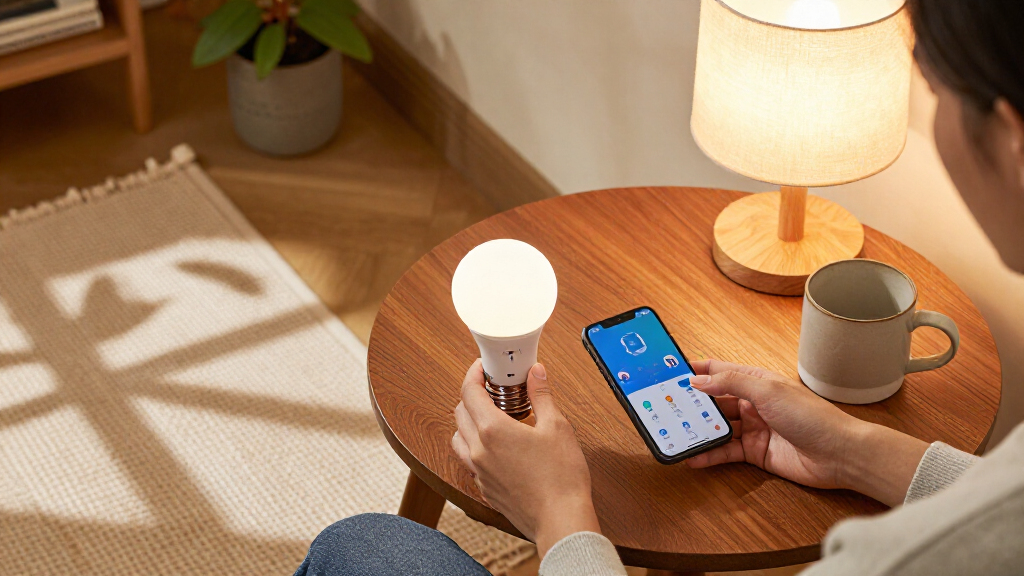
Matter is a connectivity standard intended to let compatible smart-home devices work with supported platforms. In this account, it connects sensors and devices to a Homey Pro system and enables actions such as remote notifications or coordinated controls. The writer also points out that some basic functions do not require Matter: the leak sensor, for example, can sound its own alarm when it detects water.
The report’s examples rely on more than the standard alone. Sensors must be positioned in useful locations, devices need to support the required functions, and the platform must offer the automation the household wants. The contributor says many sensors are relatively inexpensive, but buying several and replacing their batteries can add to the cost. The article also carries an affiliate disclosure, a relevant detail when weighing its product recommendations.
““The product is functional without Matter, but Matter integration means I can be notified of a leak when I’m away from home.””
— Matter Alpha contributor
Costs and Compatibility Vary by Home
The report does not specify the full cost of the contributor’s setup, how often batteries need replacing, or how reliably each automation performed over time. It also provides no independent testing, quantified energy use or evidence that the humidity and temperature setups changed health outcomes or heating and cooling costs.
Results may differ with a household’s devices, platform, sensor placement and network setup. The article does not list compatibility details for every product or establish that all Matter-certified devices support the same features. Its experience is a single household’s account, and the affiliate disclosure means product references should be read with that commercial relationship in mind.
Match Devices to Specific Home Needs
The report does not announce a new product or a planned follow-up test. Its practical next step for readers is to identify a specific recurring issue—such as missed leak warnings or lights left on—and check whether the sensors, devices and platform they already use can address it. Before buying, households can verify required Matter and platform support, whether a device works locally without an internet connection, and the cost of batteries or additional hubs.
For any setup, the relevant measure is whether it reliably solves the chosen problem without adding more maintenance than the household wants. The contributor’s examples suggest starting with a small number of devices and expanding only if the automations prove useful in daily use.
Key Questions
What five problems did the Matter devices address?
The contributor describes leak alerts, forgotten lights, ceiling-fan control, humidity monitoring and room-by-room temperature awareness. These are examples from one household, not findings from a broader user survey.
Does a leak sensor need Matter to work?
According to the report, the IKEA KLIPPBOK sounds an alarm when it detects water without Matter. Connecting it to a compatible smart-home platform adds the option of receiving remote phone notifications.
Which platform did the writer use?
The contributor says the household used Homey Pro to connect devices and create automations, including group light controls. The article does not establish that the same automations work identically on every platform.
What are the main drawbacks described?
The writer points to the cost of buying several sensors and their batteries, along with the need to maintain them. The report does not give a complete budget or battery-replacement schedule.
Does the report show that Matter saves money or energy?
No quantified savings are reported. The article describes convenience and monitoring uses, but offers no measured energy, repair-cost or health outcomes.
Source: rss
Cold & flu season Picks
humidifiers
As an affiliate, we earn on qualifying purchases.