TL;DR
Smart home energy monitors track your electricity use in real time, offering detailed insights that can lower bills by 10-20%. They’re evolving fast, now combining with renewable energy and AI for smarter savings.
What Exactly Do Smart Home Energy Monitors Do for You?
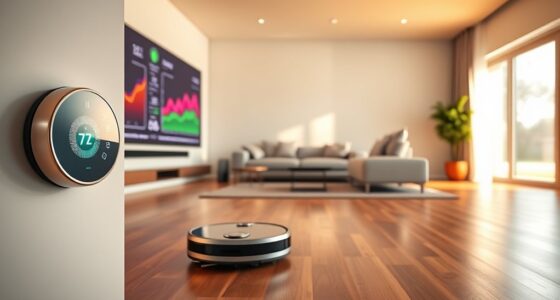
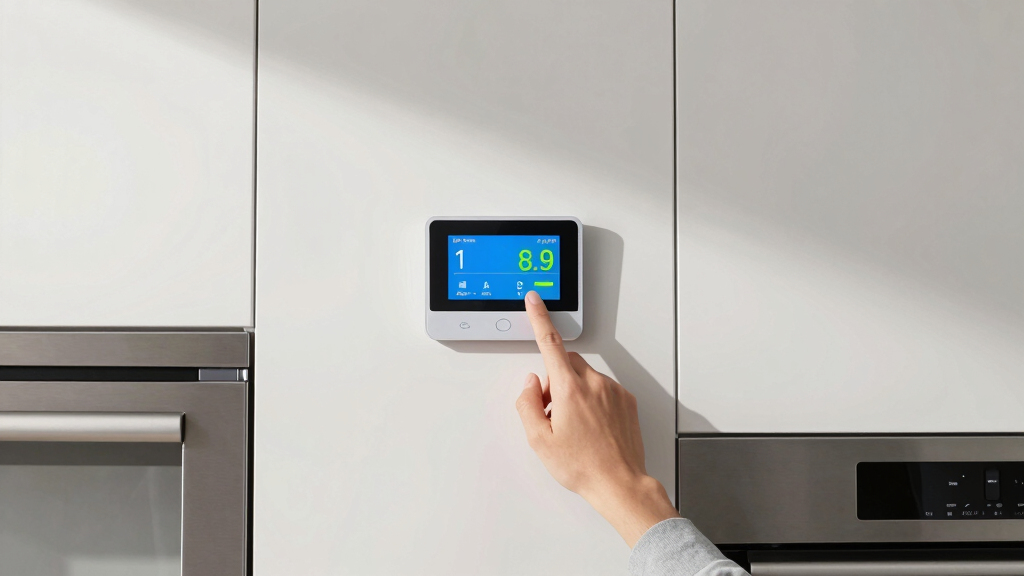
Smart energy monitors are the detectives of your electrical system, tracking every watt in real time. They connect to your main panel or specific circuits, then send a constant stream of data to your phone or web dashboard. Picture this: You’re curious why your electricity bill spiked last month. The monitor pinpoints your new space heater and a fridge on its last legs as the culprits. With detailed breakdowns, you see how much each device consumes and when. They give you a window into your home’s energy habits — revealing hidden waste and helping you tweak your routines for savings.
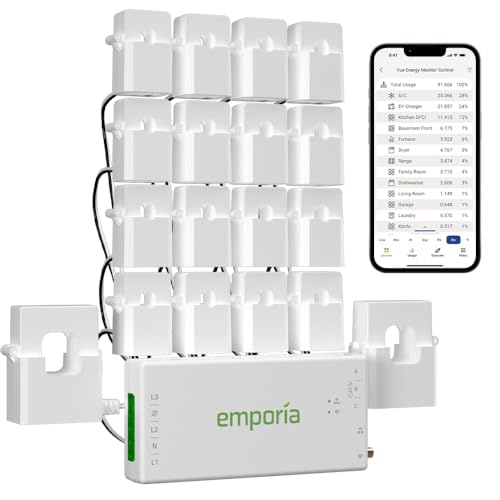
Emporia Vue 3 Home Energy Monitor – Smart Home Automation Module and Real Time Electricity Usage Monitor, Power Consumption Meter, Solar and Net Metering for UL Certified Safe Energy Monitoring
- UL Certified for Safety: Certified for electrical safety in US and Canada
- Easy Installation in Circuit Panel: Supports most home wiring systems with clamp-on sensors
- Real-Time Energy Monitoring: 24/7 management of home energy use and solar
As an affiliate, we earn on qualifying purchases.
As an affiliate, we earn on qualifying purchases.
How to Choose a Smart Home Energy Monitor That Fits Your Home
Picking the right monitor isn’t just about price. It’s about compatibility, features, and ease of use. Here’s a quick guide:
- Check Compatibility: Does it work with your home’s wiring? Can it connect with your smart home system like Alexa or Google Home?
- Installation: Can you install it yourself, or do you need a professional electrician? Some models clip onto your main panel, others require wiring.
- Features: Do you want appliance-level data? Alerts for unusual usage? AI-powered tips? List your priorities.
- Data Security: Ensure the brand uses encryption and protects your privacy.
For example, a homeowner with solar panels might prioritize monitors that sync with their solar system, helping optimize energy use and storage. Choosing a monitor that aligns with your specific energy goals ensures you get meaningful insights without unnecessary complexity or expense. Consider the tradeoffs: more advanced features often come at a higher cost and may require more technical know-how, but they can provide deeper insights for proactive energy management.
Compare the Latest Smart Home Energy Monitors Side-by-Side
| Feature | Basic Model | Mid-Range Model | Advanced Model |
|---|---|---|---|
| Price | $50-$100 | $150-$250 | $300+ |
| Installation | DIY-friendly | Professional recommended | DIY or professional |
| Appliance-level detail | No | Yes | Yes, with AI insights |
| Smart home integration | Basic | Good | Excellent |
| Data security | Basic encryption | Secure with app controls | Advanced encryption + cloud security |
Choosing the right monitor depends on your budget, tech comfort, and goals. Do you want simple data or deep insights? Consider what features matter most before investing. Keep in mind that higher-end models often provide richer data and better security, but they may also involve a steeper learning curve or higher upfront costs. Balancing these factors is key to selecting a device that not only fits your budget but also offers meaningful, actionable insights that can lead to real savings and efficiency improvements.
Why Your Home’s Energy Use Changes Day by Day — And How Monitors Help
Energy consumption isn’t static; it ebbs and flows like a tide. A smart monitor captures these waves, showing you patterns that surprise you. Understanding these fluctuations is essential because they reveal the true efficiency or wastefulness of your home. For instance, noticing consistent peaks during certain hours can indicate appliances that run unnecessarily or habits that waste energy. Recognizing these patterns allows you to implement targeted changes—such as scheduling high-energy tasks during off-peak hours or replacing inefficient appliances—maximizing savings and reducing your environmental impact. These insights also help you anticipate seasonal shifts, like increased heating in winter, so you can plan accordingly and avoid surprises on your bill. Essentially, the monitor acts as a feedback loop, enabling smarter, more responsive energy management that adapts to your lifestyle and the seasons.
How Smart Monitors Support Renewable Energy and Save You Money
Smart energy monitors now play nicely with solar panels and home batteries. They give you real-time data on how much solar power you produce and consume, which is crucial because renewable energy systems are dynamic—they depend on weather, time of day, and seasonal variations. For example, during a sunny Saturday, your monitor might show your panels generating 20 kWh, but your home only needs 15 kWh. The excess energy can be stored in batteries or fed back into the grid, earning you credits or reducing your reliance on grid power. This real-time insight is vital because it enables you to optimize energy storage and consumption, ensuring you make the most of your renewable resources. The ability to monitor and adjust based on actual production and usage helps you maximize savings, reduce bills, and contribute to grid stability. It also encourages a more sustainable lifestyle by making green energy more practical and economically rewarding. The tradeoff here is that integrating these systems can be complex and sometimes costly upfront, but the long-term savings and environmental benefits are significant.
The Future of Smart Home Energy Monitoring: AI, Automation & More
AI is transforming energy monitors from simple data loggers into smart assistants. They analyze your habits, predict high-usage periods, and offer personalized tips that can save you money and energy. For example, AI can identify patterns like increased usage during weekends or seasonal shifts, enabling proactive recommendations. Some systems go further by automatically turning off appliances when they’re not in use or shifting loads to off-peak hours, which requires careful calibration to balance comfort, convenience, and savings. These automation features can significantly reduce energy waste without requiring constant manual intervention. Additionally, demand response programs allow your home to communicate with utility companies, helping to stabilize the grid during peak times while earning you incentives. As these technologies evolve, homes will become more responsive and adaptive, seamlessly optimizing energy use in real time. This not only benefits individual households but also supports a greener, more resilient energy grid—though it may involve tradeoffs like increased reliance on technology and potential privacy considerations.
What You Need to Know Before Buying a Smart Home Energy Monitor
Before making a purchase, ask yourself: What’s my main goal? Cutting bills? Supporting solar? Or just understanding my habits better? Check if the monitor integrates smoothly with your existing smart devices. Review installation requirements — some need a pro, others are plug-and-play. Security matters too. Choose brands with robust encryption and privacy policies. Lastly, read reviews to gauge real-world performance and customer support.
Key Takeaways From This Energy-Saving Tech
- Smart energy monitors can reduce household energy use by 10-20%, saving money and lowering carbon footprints.
- Choose a model compatible with your home wiring, smart home system, and energy goals.
- Real-time data reveals habits and hidden waste, empowering smarter routines and appliance choices.
- Integration with solar and batteries amplifies savings and supports greener living.
- AI features are making energy management more intuitive, automating savings without extra effort.
Frequently Asked Questions
How do smart energy monitors actually work?
They measure your home’s electrical usage via sensors installed at your main panel or specific circuits, then send the data to an app or dashboard. This gives you real-time and historical insights into how much energy each device or area consumes.
Are they difficult to install?
Installation varies. Some monitors are DIY-friendly, clipping onto your main panel, while others might require a professional electrician for wiring. Check the product specs and your comfort level before buying.
Can they really save me money?
Yes. By identifying high-energy devices and habits, you can make smarter choices. Many users see a 10-20% reduction in their bills after a few months of monitoring and adjusting.
Will my privacy be at risk?
Reputable brands encrypt your data and follow strict security practices. Still, it’s wise to choose trusted products and stay updated on their privacy policies.
What features should I prioritize?
Look for real-time monitoring, appliance-level data, smart home integration, and easy-to-understand dashboards. These features help you act quickly and effectively.
Conclusion
Smart home energy monitors turn invisible electricity into visible savings. They’re like a personal trainer for your energy habits, helping you cut costs and shrink your carbon footprint. Imagine your home as a living, breathing system — smarter, more efficient, and ready to support your green goals. Why not give it that extra boost?