
TL;DR
Matter connects compatible devices to a controller on the home network, allowing local control that can continue during an internet outage. Cloud connections can expose more manufacturer-specific features and enable app-based remote access, but rely on internet service and the manufacturer’s servers. Many devices support both approaches, so owners may be able to use each for different tasks.
Matter and cloud connections offer different ways to link smart home devices to platforms such as Apple Home, Google Home and Amazon Alexa, and the right fit depends on whether a household prioritizes local reliability and cross-platform control or access to a device’s full feature set. The comparison in the source material describes Matter as a local-network option, while cloud-connected devices route commands through manufacturer servers.

Get home appliances delivered free with Prime
- Fast, free delivery on millions of items
- Prime Video, Amazon Music and more included
- Member-only deals all year
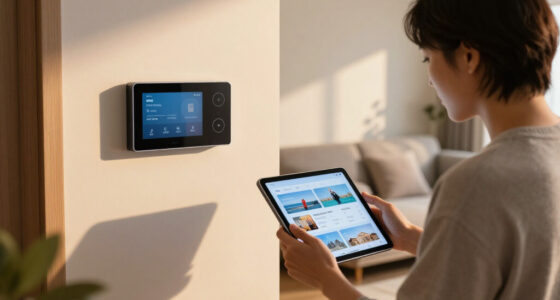
Matter is a shared smart home standard backed by Apple, Google, Amazon, Samsung and hundreds of device makers, according to the source material. Compatible devices communicate with a Matter controller on the home network using Wi-Fi, Ethernet or Thread. A bridge can also bring supported devices into a Matter setup; the material gives a Philips Hue Bridge as an example.
Because Matter commands stay on the home network, compatible controls and automations can continue without internet access, depending on the controller and setup. Local commands can also respond faster than requests that travel to and from a server. Matter supports defined device types, however, so its available controls may not include a manufacturer’s more specialized features. The source gives Tado X radiator valves as an example: Matter can set a target temperature and switch a device on or off, while some system functions, including Boost, remain unavailable through that connection.
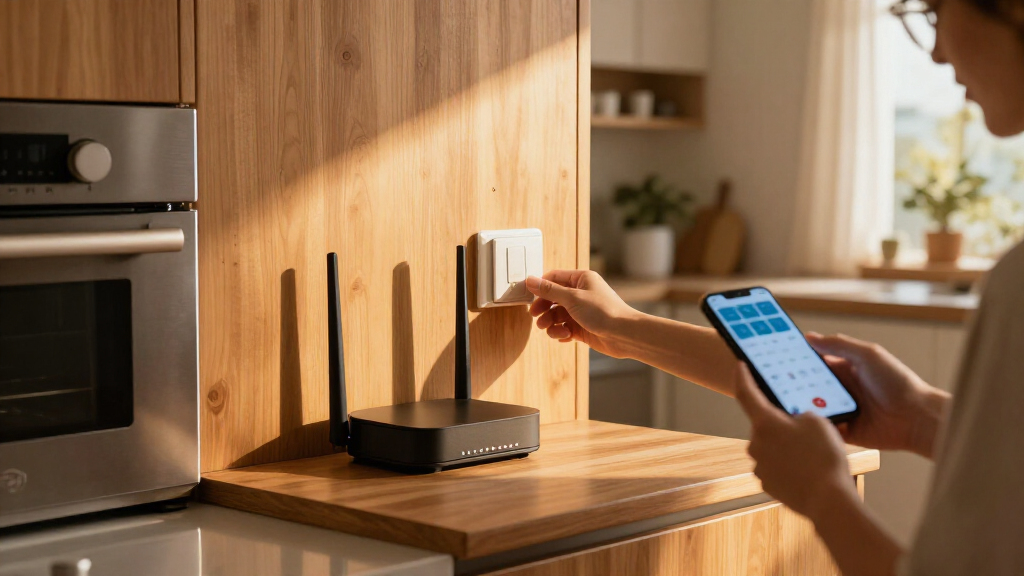
Cloud-connected devices communicate with a manufacturer’s servers over the internet, often through a platform integration or skill. This can provide access to features in the manufacturer’s app and remote control without a home hub, but it depends on the household’s internet connection and the company’s service. The source says many newer devices offer Matter alongside their own app, letting users combine local control with app-based settings or updates.
Matter vs. Cloud Which connection fits?
Matter keeps compatible controls on the home network; cloud connections can unlock brand features and remote access. The right setup depends on the features and reliability you need.
How connections work
Matter links compatible devices to a home controller. Cloud devices route commands through the internet and manufacturer servers.
- Local control through Wi-Fi, Ethernet or Thread
- Pair with supported platforms using a code or QR code
- Needs a compatible controller; Thread also needs a border router
- Commands travel through manufacturer servers
- Can offer app features and remote control
- Depends on internet service and the company’s service
What the trade-off means
More resilient routines
Compatible Matter controls and automations may continue during an internet outage, depending on the controller and setup.
Some controls stay in the app
Matter supports defined device functions. For Tado X radiator valves, Boost remains unavailable through Matter.
Cloud adds convenience
Manufacturer apps can provide remote access and specialized features, but rely on internet service and company servers.
Check before buying
Check that the device works with the smart home platform you use.
Look for a Matter controller, Thread border router or bridge requirement.
Review current specifications for Matter functions, app features, remote access and updates.
A flexible setup
Some devices support Matter alongside the manufacturer’s app, so owners may combine local routines with app-based settings or updates. Availability varies by product.
The Trade-Off Between Control and Features
The choice affects how a home behaves during an outage, how many platforms can control a device and whether advanced functions are available. With local Matter control, an internet outage need not stop every automation, although this depends on the controller and the devices involved. That can matter for everyday routines such as turning on lights when a door opens or adjusting heating when a room is empty.
Cloud services can be more convenient for owners who need manufacturer-specific features, or who want remote access through a brand’s app without adding a home hub. Their dependence on company servers also creates a longer-term service risk: if a provider changes or ends an integration, adds a subscription, or shuts down a service, some functions may change or stop. The source describes this as a risk, not as a claim that any particular service is about to close.
For buyers, the practical point is to check the supported controls and required equipment before choosing a device. A Matter label does not mean every feature in a brand’s app is available through Matter, and a cloud connection does not necessarily provide local control during an internet outage.
Products Worth Considering

Bose SoundLink Plus Portable Bluetooth Speaker, Black

Philips Hue Play HDMI Sync Box 8K

Samsung 65-Inch S90H OLED 4K Smart TV Bundle with HW-B630F Soundbar, Subwoofer, and Screen Cleaner (2026)
As an affiliate, we earn on qualifying purchases.
How the Two Connection Models Work
Many smart home devices have traditionally connected through a manufacturer’s cloud service. In that arrangement, a request from a platform such as Alexa can pass through the platform’s servers and the manufacturer’s servers before reaching the device. Each company’s platform support may require a separate integration.
Matter takes a shared-standard approach: compatible devices can be added to supported smart home platforms using a pairing code or QR code, and multi-admin can let a device work with more than one platform, such as Apple Home and Alexa. A Matter setup still needs a compatible controller; Thread devices also need a Thread border router. The standard’s available device types and features can be more limited than a manufacturer’s full app.
The options are not always exclusive. The source says some products support both Matter and the manufacturer’s app, allowing owners to use Matter for local controls and automations while keeping the app for advanced settings or firmware updates. The material does not specify which named products currently support both or how broadly that arrangement is available.
Compatibility Depends on the Device
The source material provides a general comparison, not an independent test or a dated survey of current products. It does not identify which specific devices, functions or platform integrations are available in every market, and support can vary by product and software version. Readers should check a device’s current specifications for its Matter functions, required controller or bridge, remote-access options and manufacturer-app features.
Local operation is also conditional. The source notes that Matter control and automations can continue without broadband, but says this is hub dependent. It does not detail which automations continue for every controller, whether all devices remain available during an outage, or how individual brands handle firmware and service changes.
Check Support Before You Buy
Before buying, confirm that the device supports the platform you use and that Matter exposes the functions you need. Check whether the setup requires a Matter controller, Thread border router or bridge, and whether the manufacturer’s app is needed for advanced controls, remote access or updates.
If a product supports both methods, owners can consider using Matter for routine local automations and the cloud or manufacturer app for features Matter does not expose. The next step for the wider smart home market is continued expansion of Matter device and feature support, but the source material does not provide a timetable or announce a specific upcoming release.
Key Questions
Does Matter work when the internet is down?
Local Matter control can work without internet, and compatible automations may continue, depending on the controller and setup. This does not guarantee that every device or function in a home will remain available.
Does Matter support every feature in a device’s app?
No. Matter supports defined device types and controls, so some manufacturer-specific features may only be available in the brand’s app. Check the product’s specifications for the functions you need.
Do Matter devices need a hub?
A Matter setup needs a compatible Matter controller, such as a supported smart speaker, display, Apple TV or hub. Thread devices also need a Thread border router; some products can connect through a bridge.
Can a device use Matter and a cloud connection?
Some devices support both Matter and a manufacturer’s app. Where available, owners may use Matter for local control and the app for advanced settings or firmware updates. Support varies by product.
Which option is better for a smart home?
Matter may suit households that prioritize local control, resilience to internet outages and use across multiple platforms. A cloud connection may suit those who need a device’s full feature set or remote access through its app. The best choice depends on the specific device and setup.
Source: the-ambient.com