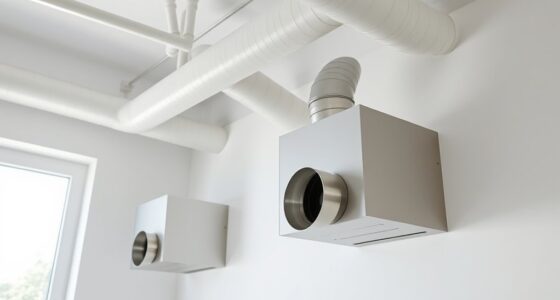
Gas stove emissions release pollutants like nitrogen dioxide and carbon monoxide, which can seriously harm your indoor air quality and health, causing respiratory problems and asthma flare-ups. Without proper ventilation, these risks increase, but many homes lack adequate systems in place. Switching to electric induction stoves or improving ventilation with range hoods and air purifiers can make your home safer. To protect yourself and your loved ones, it’s important to explore effective solutions—more insights await you.
Key Takeaways
- Gas stove emissions release pollutants like NO₂ and CO, which can cause respiratory problems and worsen asthma.
- Proper ventilation, such as range hoods and air purifiers, is essential to reduce indoor pollutant levels.
- Switching to electric induction stoves eliminates indoor air emissions and enhances household safety.
- Regular maintenance of ventilation systems and limiting cooking time help minimize exposure to harmful gases.
- Using safer cooking appliances along with good ventilation significantly improves indoor air quality and health.
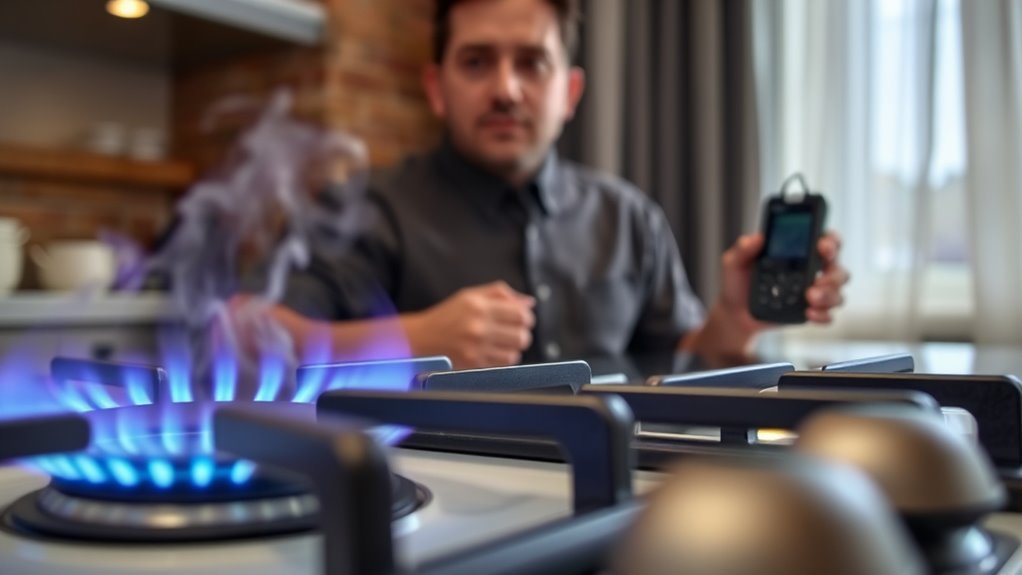
Gas stoves are a common feature in many homes, but they can pose serious health risks due to the emissions they release during use. When you cook with a gas stove, you’re not just preparing food—you’re also generating nitrogen dioxide (NO₂), carbon monoxide (CO), and particulate matter. These pollutants can considerably degrade indoor air quality, especially if your home lacks proper ventilation. Poor indoor air quality can lead to respiratory issues, asthma exacerbations, and other health problems over time. That’s why understanding ventilation solutions is vital for maintaining a healthier living environment.
Many homes don’t have adequate ventilation to handle the pollutants produced by gas stoves. If you rely solely on your kitchen fan or open a window occasionally, you might not be effectively removing harmful emissions. Ventilation solutions, such as range hoods that vent directly outside, can dramatically improve indoor air quality. These devices draw in polluted air and expel it outdoors, reducing your exposure to hazardous gases. When choosing a ventilation system, verify it’s powerful enough to handle your stove’s output and properly maintained for peak performance. This step is essential because ineffective ventilation can allow pollutants to linger, increasing health risks.
Proper range hoods are essential for effective ventilation and healthier indoor air quality.
In addition to installing proper ventilation, you should be mindful of how often and how long you use your gas stove. Limiting cooking time and using burners only when necessary can help reduce ongoing emissions. Regularly opening windows or using exhaust fans during and after cooking can further clear out indoor pollutants. It’s also wise to think about air purifiers equipped with HEPA filters, which can capture fine particles and improve overall air quality. These measures, combined with ventilation solutions, can make a noticeable difference in creating a safer indoor environment.
If you’re concerned about the health impacts of gas stove emissions, exploring safer alternatives might be a wise choice. Electric induction stoves, for example, produce no indoor air pollutants and are highly energy-efficient. They heat cookware quickly and precisely, offering a modern, cleaner way to cook. Transitioning to electric appliances not only reduces your exposure to harmful emissions but also supports a healthier home environment. Additionally, choosing an air purifier with advanced filters can further reduce indoor pollutants and enhance air quality. Remember, your indoor air quality directly affects your health, so taking proactive steps like improving ventilation and considering safer cooking options can make a meaningful difference in safeguarding your well-being.
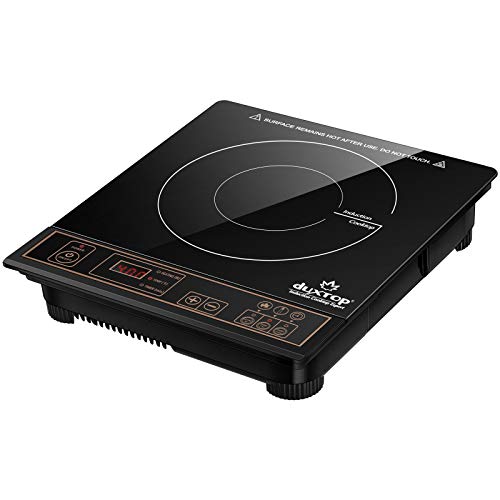
Duxtop 1800W Portable Induction Cooktop Countertop Burner, Gold 8100MC/BT-180G3
Requires induction compatible cookware. If a magnet sticks well to the bottom of the pan and is at…
As an affiliate, we earn on qualifying purchases.
As an affiliate, we earn on qualifying purchases.
Frequently Asked Questions
What Are the Long-Term Health Effects of Gas Stove Emissions?
Long-term exposure to gas stove emissions can cause chronic respiratory issues, making breathing difficult over time. You might also experience neurological damage, leading to headaches, memory problems, or concentration difficulties. These health effects develop gradually, so if you use a gas stove regularly, it’s important to contemplate ventilation or switching to safer alternatives. Protect your health by minimizing exposure and staying alert to any symptoms that could suggest long-term impacts.
How Do Gas Stove Emissions Impact Children Differently?
You might not realize, but children are 1.5 times more vulnerable to gas stove emissions, which heightens their developmental risks. Their smaller lungs and developing immune systems make them more susceptible to pollutants like nitrogen dioxide. Child vulnerability means exposure can lead to impaired brain development, asthma, and other respiratory issues. Protect your kids by ensuring proper ventilation and considering safer cooking alternatives to minimize these health risks.
Are There Specific Regions More Affected by Indoor Air Pollution From Stoves?
Yes, regional disparities influence indoor air pollution from stoves, with rural areas often more affected than urban regions. In rural communities, limited access to cleaner cooking options and ventilation increases exposure, while urban areas tend to have better infrastructure and regulations. You’re more likely to experience higher pollution levels if you live in underserved or remote regions, making targeted interventions essential to reduce health risks across different communities.
Can Gas Stove Emissions Cause Immediate Health Symptoms?
Yes, gas stove emissions can cause immediate symptoms. When you use a gas stove, poor air quality can lead to symptoms like headaches, dizziness, or respiratory irritation right away. These immediate symptoms often result from increased levels of nitrogen dioxide and other pollutants in the air, especially in poorly ventilated spaces. To protect your health, make certain of proper ventilation and consider switching to safer cooking options when possible.
What Are the Costs Associated With Switching to Safer Cooking Alternatives?
Switching to safer cooking methods is like planting seeds for a healthier home. You’ll face installation costs for new appliances and setup, which can range from moderate to significant depending on your choice. Plus, appliance expenses add up, especially for high-quality models. While the initial investment might seem hefty, think of it as nurturing a safer environment—an investment in your family’s well-being that pays dividends over time.
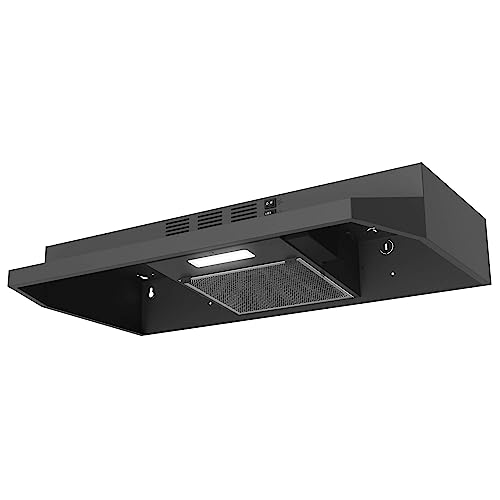
SNDOAS Range Hood 30 inch Under Cabinet, Ducted/Ductless Convertible Kitchen Hood, Stainless Steel Vent Hood with LED Light,Under Cabinet Hood with 2 Speed Exhaust Fan,Black
【SLIM & SPACE-SAVING】: Range Hood dimensions: 17.5"L*29.9" W*4.7" H. This SNDOAS cabinet range hood at only 4.7 inches…
As an affiliate, we earn on qualifying purchases.
As an affiliate, we earn on qualifying purchases.
Conclusion
While some believe gas stove emissions might not be as harmful as they seem, research shows they can release pollutants linked to respiratory issues. Switching to electric or induction stoves isn’t just safer—it’s backed by studies suggesting reduced indoor air pollution. So, consider making the switch for your health and peace of mind. After all, investing in safer cooking options could be the best decision you make for your home and loved ones.

Air Purifiers for Home with H13 Quiet HEPA Filter Up to 1076 Ft² for Pet Hair, Odors, Pollen, Smoke, Compact Air Cleaner with 3 Speeds, Timer, Aroma Quiet 360°Intake Filter, White
Effortless Operation: Simplified control panel with intuitive design makes it easy to operate. No complicated setup—just one tap,…
As an affiliate, we earn on qualifying purchases.
As an affiliate, we earn on qualifying purchases.

Weiworld Through Wall HEPA Ventilation Fan with WiFi & Remote Control, Ultra Quiet EC Motor Wall Vent, Fresh Air Intake & Air Exchange System for Bedroom, Home Office, Attic
【HEPA Fresh Air Ventilation Fan】Equipped with a 3-stage filtration system (pre-filter, HEPA filter, and activated carbon), this wall-mounted…
As an affiliate, we earn on qualifying purchases.
As an affiliate, we earn on qualifying purchases.