
End-of-life (EOL) and end-of-support (EOS) policies for smart appliances define when your device stops receiving updates and official help. EOL indicates the device becomes obsolete, while EOS means official support ends—though some updates may continue briefly. Understanding these stages helps you plan replacements, guarantee security, and manage recycling responsibly. To learn how to best navigate these policies and keep your devices secure, explore the detailed strategies and industry practices further.
Key Takeaways
- EOL indicates when a device stops receiving updates and support, signaling obsolescence; EOS marks the end of official technical support.
- EOL often involves hardware and software discontinuation, while EOS primarily refers to the cessation of vendor support services.
- Effective policies communicate clear timelines, offer support extensions, and promote responsible disposal or recycling of smart appliances.
- Industry leaders set proactive EOL and EOS policies using real-time lifecycle tracking and transparent communication strategies.
- Managing EOL/EOS helps mitigate security vulnerabilities, reduce operational risks, and extend device lifespan through updates and upgrades.
Defining the Key Terms: EOL and EOS in the Smart Appliance Landscape
Understanding the key terms EOL (End-of-Life) and EOS (End-of-Support) is essential for managing smart appliances effectively. EOL marks the point when your device no longer receives updates, security patches, or support from the manufacturer. It signals that the product is considered obsolete, with production and sales stopped, making replacement parts harder to find. An EOL status typically indicates that the device may become incompatible with newer systems or security standards over time. Additionally, hardware obsolescence can accelerate once a device reaches EOL, affecting long-term usability. EOS, on the other hand, means official technical support has ended, though some updates might still be available. Once EOS hits, you lose direct vendor assistance and rely on self-help. While EOL indicates the end of the appliance’s active lifespan, EOS focuses on the support services stopping. Knowing these terms helps you plan upgrades and avoid security and operational risks before your device reaches these critical milestones. Recognizing these milestones is crucial for maintaining device security and operational efficiency.
The Lifecycle Stages of Smart Appliances: From Sale to Obsolescence
The lifecycle of a smart appliance begins the moment you decide to purchase it, encompassing all stages from initial selection to eventual obsolescence. During the pre-sale phase, you evaluate energy efficiency, durability, size, and repair options. When buying, you consider warranties, spare parts, and eco-friendly features. After sale, setup involves configuring software, enabling data controls, and ensuring security. You receive transparency about capabilities and limitations, helping you understand how to manage updates. During usage, regular maintenance and software updates keep the appliance secure and functional. Over time, lack of updates and hardware compatibility lead to obsolescence. When that happens, you can resell, recycle, or properly dispose of the device, minimizing environmental impact. Proper disposal is essential to prevent electronic waste and protect the environment, especially for smart appliances with integrated electronics and data storage. Additionally, understanding lifecycle management can help you plan for upgrades and end-of-life options more effectively. Recognizing the importance of product design for longevity can further support sustainable consumption and reduce waste. This lifecycle guides your sustainable and informed interaction with smart appliances.
Manufacturer Policies and Transparency in EOL and EOS Processes
Many smart appliance manufacturers do not make their end-of-life (EOL) and end-of-support (EOS) policies clear or easily accessible, leaving consumers often unaware of when support for their devices will end. Few brands explicitly state support durations, with only about 14% providing clear timelines—often up to five years. Policies typically define “discontinued” products as no longer sold but still under warranty or receiving some updates. Communication about EOL/EOS varies; many details are buried in terms of service or user agreements. Support for software and security updates usually lasts from 2 to 5 years, but beyond that, updates become unpredictable. Notifications are inconsistent—some brands provide advance notices, others don’t. Legal clauses often shift support risks onto consumers, limiting their recourse once support ends. Additionally, the transparency of support policies varies widely among manufacturers, making it difficult for consumers to plan for device longevity. Understanding support durations is crucial for consumers to make informed purchasing decisions and prepare for potential device obsolescence.
Security Implications of Reaching EOL for Connected Devices
When connected devices reach their end of life, they become prime targets for cyberattacks because they no longer receive security updates. Hackers can exploit unpatched vulnerabilities to gain unauthorized access, turning these devices into gateways for broader network threats. Without ongoing security support, your smart appliances remain exposed, increasing the risk of data breaches and operational disruptions. Regularly updating and replacing outdated devices is essential to maintain device security and protect your connected network. Additionally, the use of specialized security measures can help mitigate these risks and ensure the safety of your digital environment.
Increased Cyberattack Risks
As devices reach their end-of-life (EOL), security risks escalate sharply, making them prime targets for cyberattacks. Without updates, vulnerabilities remain unpatched, increasing the chance of exploitation. Attackers often hijack outdated devices to create botnets, fueling large-scale DDoS attacks and expanding network threats. You should be aware that:
- IoT cyberattacks surged 124% in 2024, targeting unpatched EOL devices.
- Average of up to 10 daily attacks target smart home devices.
- Unpatched firmware accounts for about 60% of IoT security breaches.
- EOL devices can be turned into zombie devices, used for data theft or ransomware.
- Proper management of Gold IRA Rollovers can help secure your investments against economic instability, underscoring the importance of proactive device security policies.
Furthermore, the lack of security protocols for outdated devices contributes significantly to these vulnerabilities. This growing threat landscape emphasizes the importance of proactive EOL policies and timely security updates to reduce vulnerability and protect your network infrastructure.
Vulnerability to Exploits
Reaching end-of-life means your connected devices no longer receive security updates, leaving known vulnerabilities unpatched and open to exploitation. Without ongoing patches, threat actors can easily target devices using known flaws like remote code execution, memory corruption, or interface injection. For example, unsupported appliances like SonicWall SMA 100 became vulnerable after EOL, enabling targeted attacks with backdoors. Exploited vulnerabilities can allow hackers to hijack networks, steal data, or maintain persistent access. Many devices, such as routers and cameras, become easy targets once support ends. Unfortunately, most consumers remain unaware of their device’s EOL status, continuing to use unsupported hardware. This prolongs exposure to security risks, making your network an entry point for broader cyber threats. Additionally, the lack of security updates during EOL periods can lead to cybersecurity vulnerabilities, which can be exploited by malicious actors, that threaten the integrity of your entire system.
Operational Risks and User Experience Challenges Post-EOL
Operational risks and user experience challenges increase markedly once smart appliances reach end-of-life. You’ll face hardware malfunctions, leading to increased downtime and costly repairs, as sourcing parts becomes harder. Without vendor support, troubleshooting relies on limited in-house efforts or unreliable third-party fixes. This can disrupt critical operations, affecting safety and convenience. Additionally, unsupported appliances may cascade failures in interconnected systems, amplifying risks. User interfaces tend to become outdated, causing glitches and responsiveness issues. Cloud-dependent features may degrade or disappear entirely if server support ends, limiting functionality. Security warnings and incompatibilities with newer devices can frustrate users and reduce integration options. Managing these legacy devices manually is resource-intensive, increasing the chance of errors and security gaps, ultimately jeopardizing network integrity and compliance. Furthermore, the absence of ongoing support can expose these devices to security vulnerabilities, increasing the risk of cyber threats. An end-of-life device may also become incompatible with future updates, further complicating maintenance and security management.
How Industry Leaders Manage Product Lifecycle Milestones
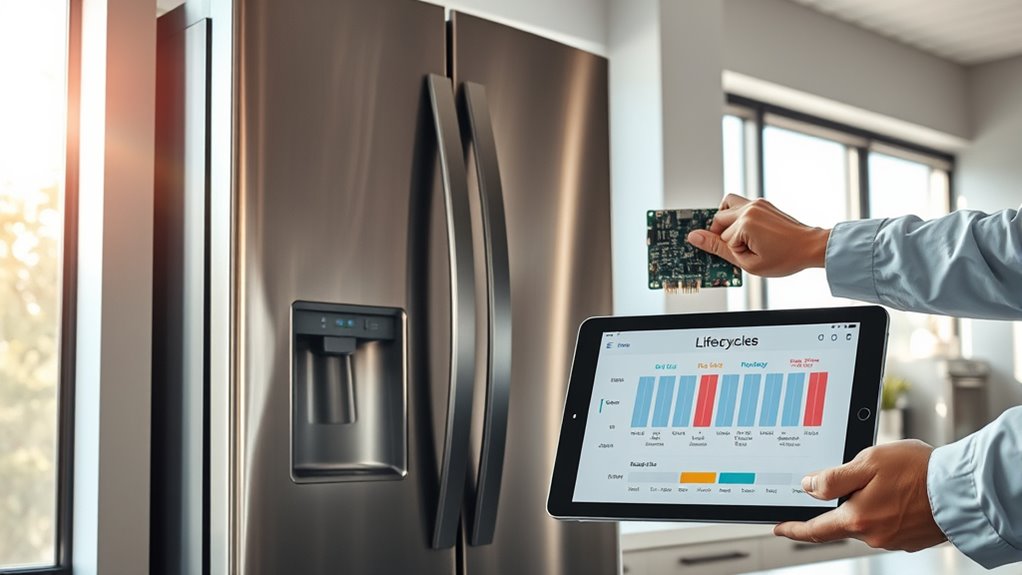
Industry leaders set clear milestones for product lifecycle stages, ensuring everyone knows when a smart appliance reaches EOL or EOS. They communicate these points proactively through manuals, notifications, and support channels to manage customer expectations. Incorporating principles of self-awareness can further enhance customer engagement by understanding user needs and preferences during these transitions. Establishing transparent communication about product status helps build trust and prepares users for eventual upgrades or replacements. Support extension policies then provide continuity, helping users shift smoothly and maintain trust.
Clear Lifecycle Milestones
Managing product lifecycle milestones with precision is essential for guaranteeing smart appliances deliver value throughout their lifespan. Industry leaders define and identify key phases like launch, growth, maturity, EOS, and EOL to guide decision-making. They leverage AI-assisted tools to classify appliance status, aiding repair or recycling efforts. Cloud-based platforms enable real-time tracking, integrating data from distribution, management, and service channels. This approach helps prevent supply disruptions and assures smooth transitions to newer models. Incorporating product lifecycle management strategies ensures comprehensive oversight from deployment to disposal. Cookies, when used responsibly, can support these tracking systems by enhancing data security and user consent management. This clarity helps optimize maintenance, refurbishment, and responsible disposal, maximizing appliance value.
Support Extension Policies
To guarantee smart appliances remain functional beyond their initial support period, industry leaders implement support extension policies that provide ongoing software updates, bug fixes, and technical assistance. These policies aim to extend the product’s usability and address security vulnerabilities or performance issues. Companies like Check Point offer maintenance releases and technical support for a set period after the official end-of-sale or end-of-life date. Sometimes, hardware upgrades or interchangeable parts are necessary to maintain functionality. Customer feedback influences these policies, ensuring support aligns with user needs. Effective support extension strategies help maintain customer satisfaction, reduce e-waste, and foster brand loyalty. By proactively managing software and hardware support, industry leaders ensure their appliances stay relevant and reliable well beyond their initial lifecycle milestones. Additionally, understanding the support policies of different manufacturers can influence purchasing decisions and long-term ownership satisfaction, especially as software support becomes increasingly vital for device security and functionality.
Strategies for Consumers and Businesses to Prepare for EOL and EOS
Preparing for the end-of-life (EOL) and end-of-support (EOS) of smart appliances requires proactive planning. You should keep a detailed, current inventory with model numbers, purchase dates, and software versions to track each device’s lifecycle. Assign team responsibilities for monitoring manufacturer notifications about EOL/EOS dates to prevent missed updates. Use prioritized categories—urgent, mid-term, no immediate action—based on appliance condition and support status to focus efforts. Continuously check critical hardware or software components’ EOL to anticipate failures. Additionally, leverage AI tools or software to automate lifecycle management, enabling timely decisions. By staying organized and informed, you can coordinate replacements, extend appliance lifespans through third-party support, and minimize disruptions, ensuring your smart appliances remain functional and secure until their natural end.
Sustainable Practices and Environmental Considerations at End of Life
You can help reduce e-waste by choosing eco-friendly disposal methods that prevent hazardous materials from contaminating the environment. Promoting device reuse extends the lifespan of smart appliances, conserving resources and lowering waste. Implementing sustainable practices at end of life guarantees that valuable materials are recovered efficiently and environmental impacts are minimized. Additionally, adopting environmentally responsible disposal strategies ensures compliance with regulations and supports the global effort to minimize electronic waste. Incorporating proper disposal methods based on established guidelines can further enhance environmental protection.
Eco-Friendly Disposal Methods
Proper disposal of smart appliances is essential for minimizing environmental harm and conserving resources. You should prioritize recycling methods that recover metals, plastics, and glass, reducing the need for raw material extraction. Using AI-powered sorting and robotic disassembly improves efficiency and safety, ensuring valuable components are recovered effectively. Hyperspectral imaging helps identify materials accurately, preventing hazardous waste. Be aware of specialized recyclers handling lithium-ion batteries and circuit boards to avoid environmental hazards.
You can support eco-friendly disposal by:
- Participating in manufacturer take-back or trade-in programs
- Using retailer recycling services like Best Buy or Staples
- Sending devices via mail-in recycling programs
- Visiting local community e-waste collection centers
Promoting Device Reuse
Promoting the reuse of smart appliances extends sustainability efforts beyond recycling, helping to minimize electronic waste and conserve resources. When you refurbish, donate, or repair devices, you extend their lifespan and reduce landfill waste. This practice aligns with increasing consumer demand for eco-friendly, efficient appliances and supports regulatory initiatives encouraging sustainability. Reuse also conserves raw materials like metals, plastics, and glass, which are essential as the market for smart appliances grows. Consider these options:
| Strategy | Benefits | Examples |
|---|---|---|
| Refurbishment | Extends device lifespan, reduces waste | Restoring old appliances |
| Donation | Supports low-income communities | Donating functional units |
| Repair Services | Delays disposal, saves costs | Fixing broken devices |
| Trade-In Programs | Incentivizes upgrades, responsible disposal | Returning old models |
Additionally, promoting these sustainable practices can help consumers understand the importance of responsible device management at end of life.
Planning and Implementing Effective Lifecycle Management Systems
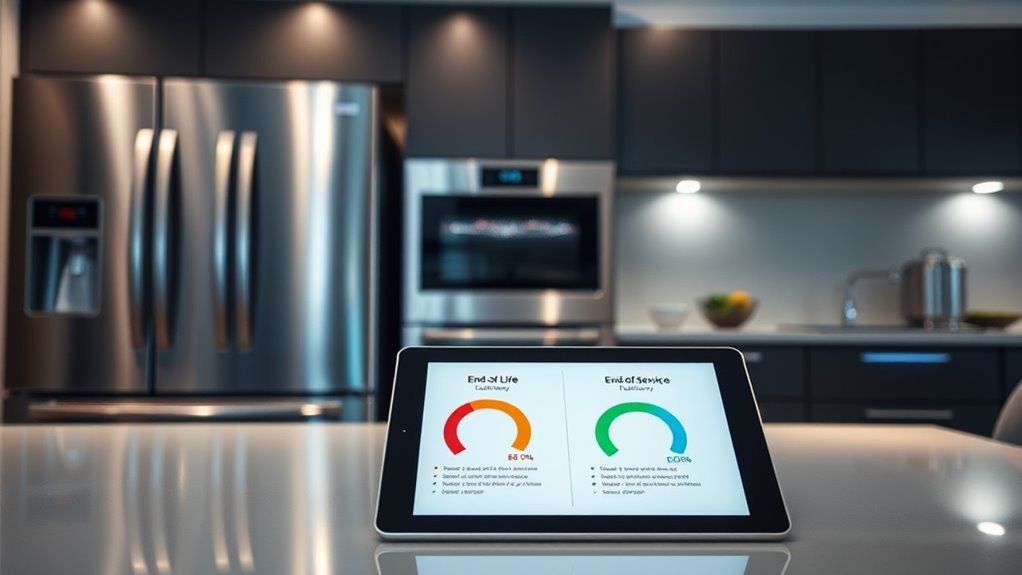
Effective lifecycle management begins with thorough planning that aligns device requirements with organizational goals and operational needs. You need to assess what devices or equipment are essential, considering factors like functionality, security, and compliance. Engaging stakeholders across departments ensures you gather diverse insights and set clear expectations. Conduct inventory audits to obtain accurate data on existing assets, preventing surplus or shortages. During planning, evaluate device performance, security features, and how well they fit your use cases. This strategic approach helps you make informed decisions, streamline procurement, and schedule maintenance effectively. By focusing on these key areas, you create a solid foundation for managing devices throughout their lifecycle and ensuring they meet organizational standards. This proactive planning minimizes risks and maximizes device value.
Future Trends in EOL and EOS Policies for Smart Technology
As organizations refine their lifecycle management strategies, upcoming regulatory and security pressures will shape how smart appliances approach end-of-life (EOL) and end-of-service (EOS) policies. Expect stricter regulations on software decommissioning, security patching, and data protection, with governments enforcing accountability for safe device decommissioning. Industry standards will define minimum support durations and update cycles, ensuring ongoing security and compatibility. Proactive support models, including predictive analytics and continuous updates, will extend device lifespans and improve user trust. Companies that effectively manage technical debt and adopt modernization strategies will enhance their market value. AI and IoT advancements will demand more flexible EOL policies, emphasizing ongoing software updates and interoperability.
| Trend | Impact | Key Focus |
|---|---|---|
| Regulatory tightening | Stricter security and privacy standards | Device decommissioning policies |
| Proactive support | Extended device support and updates | Customer education and trust |
| Technical debt management | Longer device lifespans through modernization | Market valuation and security |
| AI/IoT evolution | Dynamic EOL policies with ongoing updates | Interoperability and flexibility |
Frequently Asked Questions
How Can Consumers Identify Upcoming EOL or EOS Dates for Their Devices?
You can identify upcoming EOL or EOS dates by regularly checking the manufacturer’s support or product pages for official notices. Register your devices with the manufacturer to get direct alerts. Keep an eye on firmware update notifications and in-device alerts, which often signal support ending. Additionally, monitor consumer forums, review sites, and third-party resources for user experiences and industry data, helping you anticipate when your device might reach EOL or EOS.
What Are the Best Practices for Replacing EOL Smart Appliances?
When replacing EOL smart appliances, first assess their age, condition, and energy efficiency to decide if it’s time for a upgrade. Research models that match your needs, ensuring compatibility with your existing smart home system. Prioritize energy-efficient options with good warranties. Budget carefully, considering long-term savings and trade-in options. Regularly maintain your new appliances through cleaning, updates, and professional check-ups to extend their lifespan and optimize performance.
Do Manufacturers Offer Trade-In or Upgrade Programs for EOL Devices?
Many manufacturers do offer trade-in or upgrade programs for EOL devices. You can typically trade in your old smart appliances for store credit, discounts, or refurbished products. Companies like Amazon, Apple, Best Buy, and Staples assess your devices’ condition and offer incentives to encourage upgrades or recycling. These programs promote sustainability and help you save money on new devices, making it easier to responsibly dispose of your EOL smart appliances.
How Do EOL Policies Differ Across Various Brands and Device Types?
Did you know that Miele guarantees 10 years of security updates, the longest among brands? EOL policies vary widely across brands and device types, with some offering support for over a decade, while others lack clear timelines. You’ll find enterprise appliances often have longer, more detailed policies, whereas consumer devices tend to have shorter, less transparent support periods. Support may include software updates, security patches, and hardware options, but communication about these policies isn’t always clear.
What Legal or Regulatory Standards Govern EOL Disclosures for Smart Appliances?
You need to know that federal regulations, like the FTC Act, require manufacturers to be transparent about how long they’ll support smart appliances with updates and security patches. The proposed Connected Consumer Product End of Life Disclosure Act would further mandate clear disclosures about support timelines and proactive notifications when support ends. These laws aim to prevent misleading practices, protect your security, and give you legal options if companies fail to honor their support promises.
Conclusion
As you navigate the world of smart appliances, remember that nearly 70% of devices reach their end-of-life within five years, highlighting the importance of understanding EOL and EOS policies. Staying informed helps you manage security risks, plan for upgrades, and adopt eco-friendly disposal methods. By proactively engaging with manufacturers’ policies, you guarantee your smart home remains safe, efficient, and sustainable well into the future.